
Last updated October 30, 2026
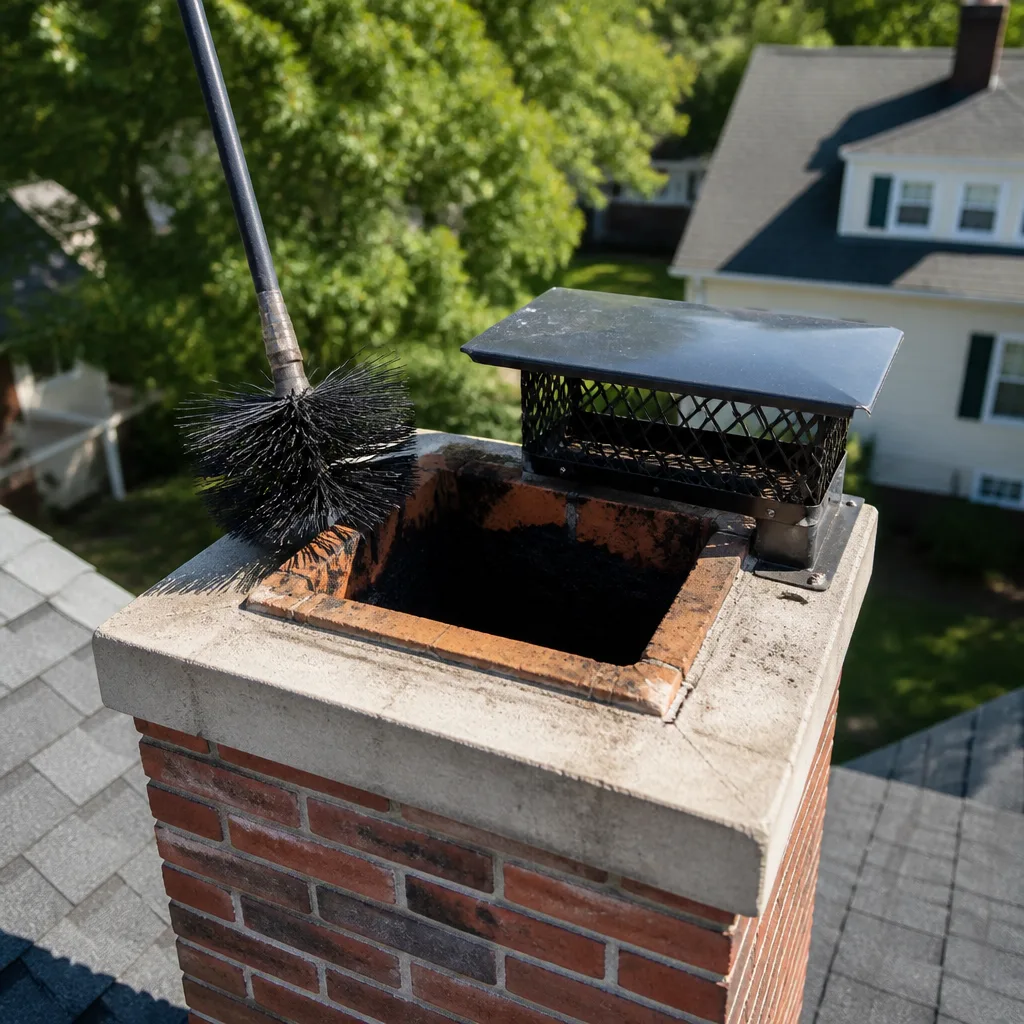 Sweep & inspection
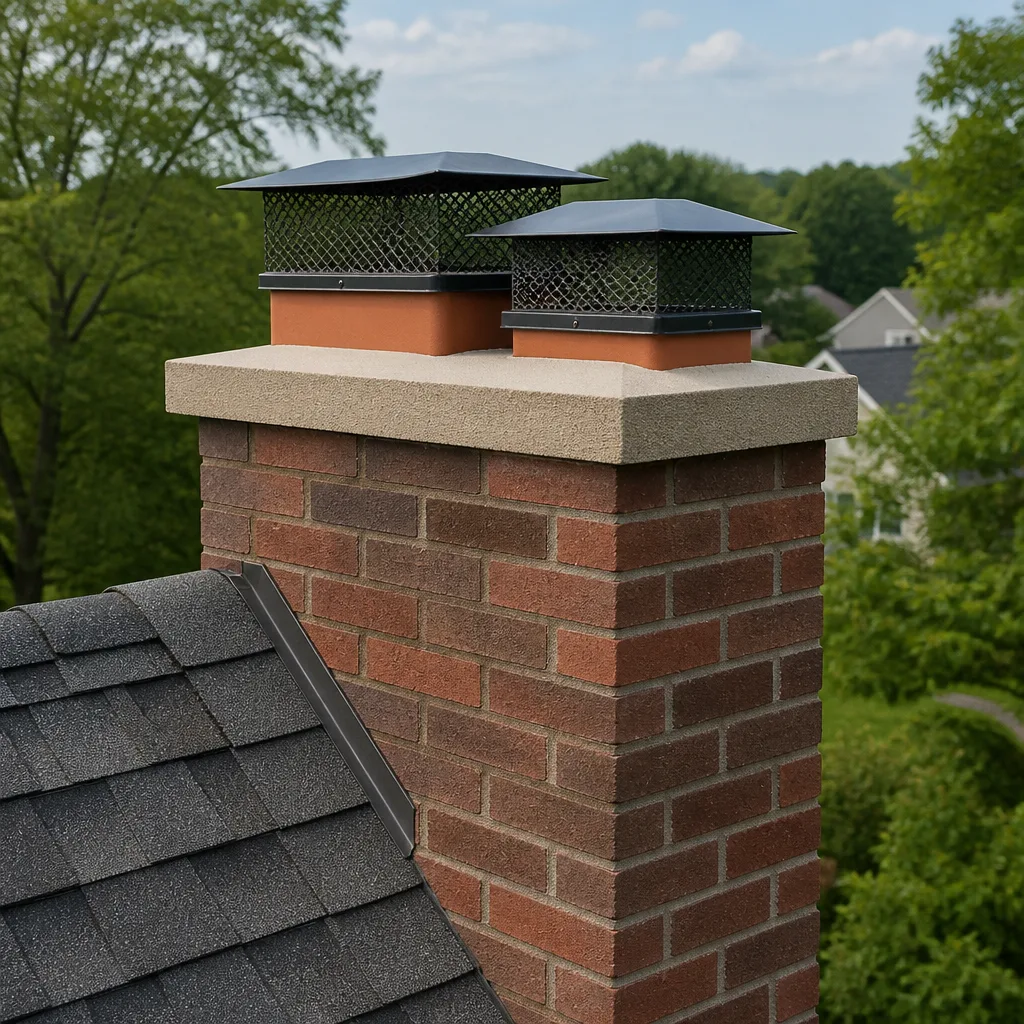 Caps & crowns
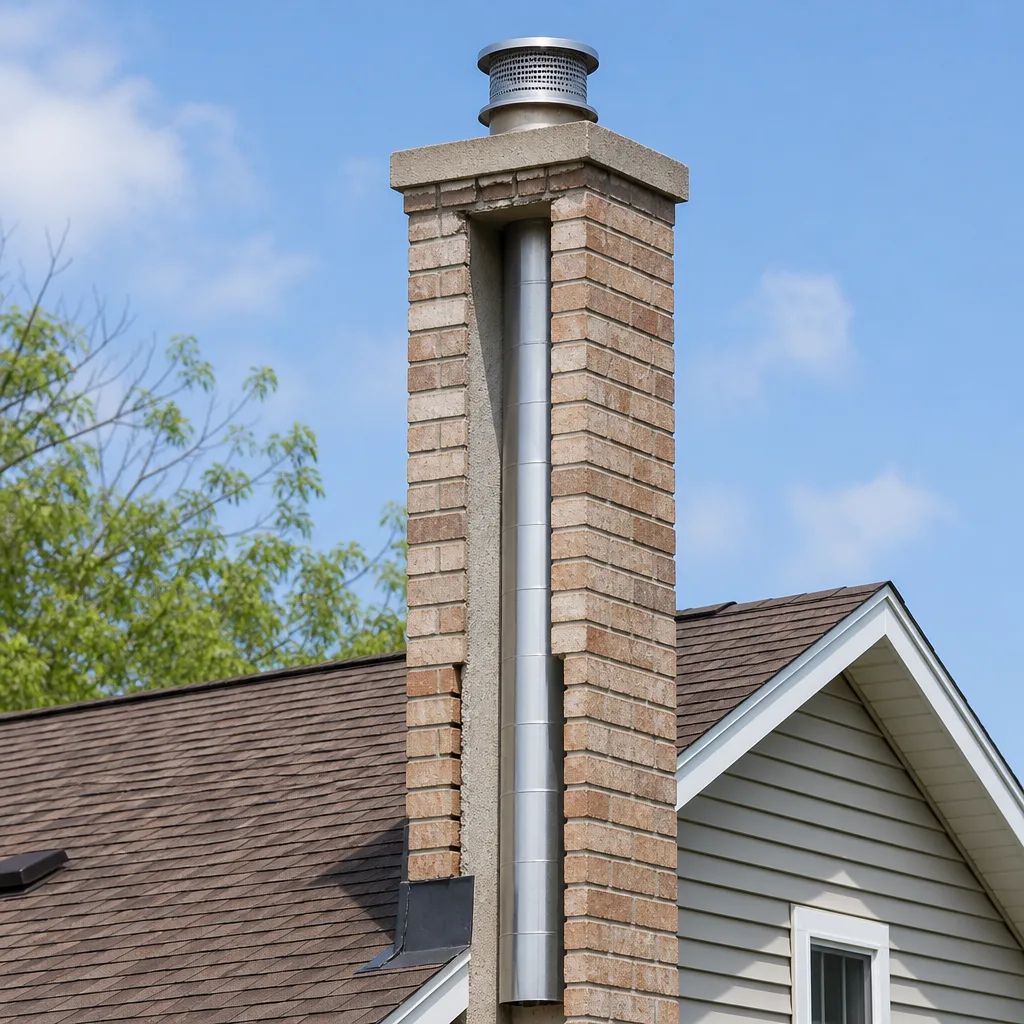 Flue relining
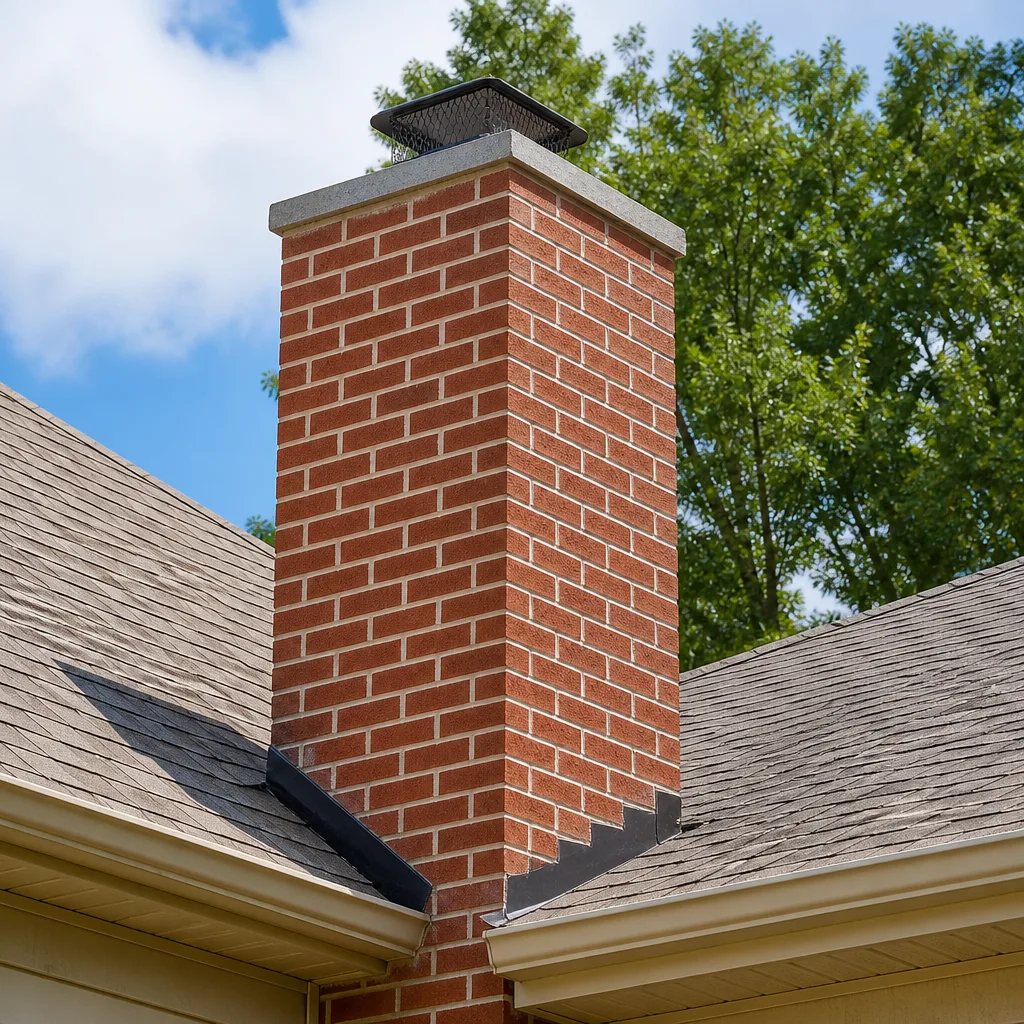 Masonry repair
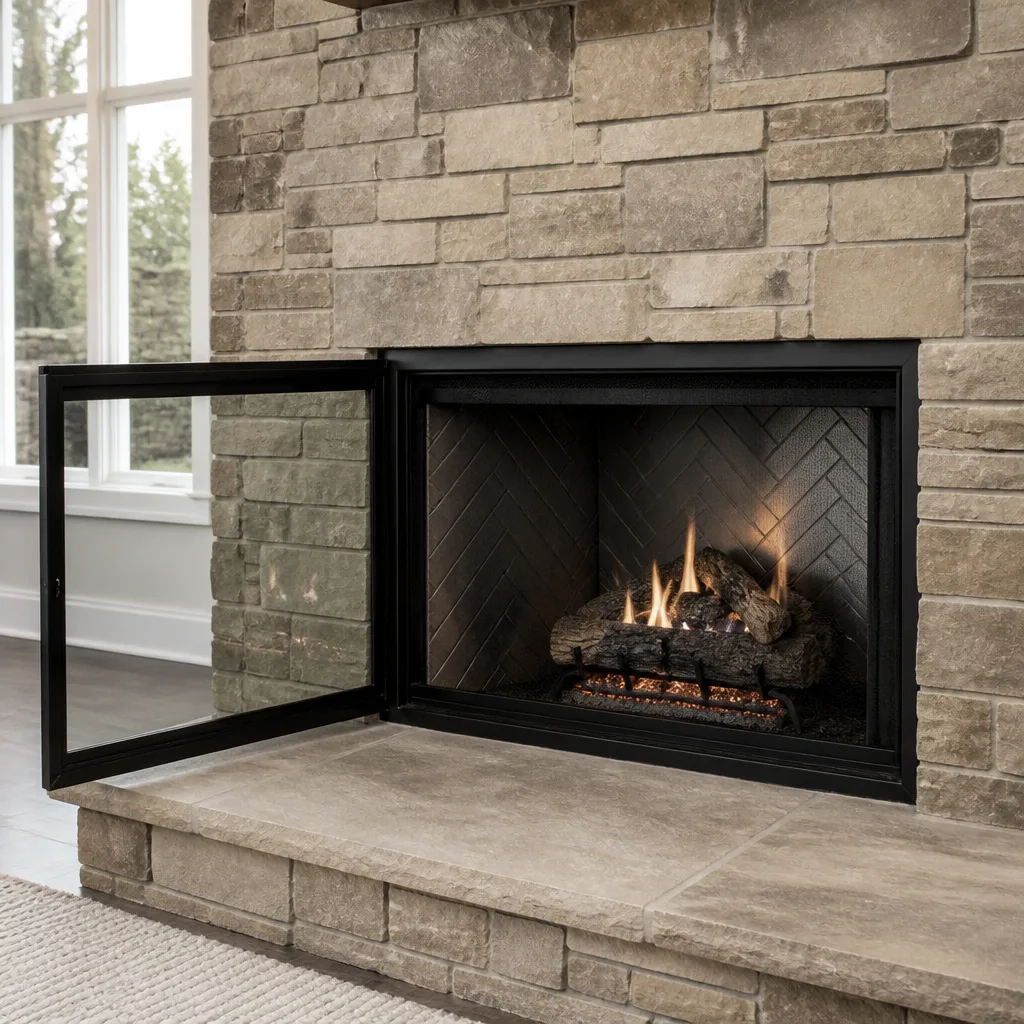 Gas fireplace service
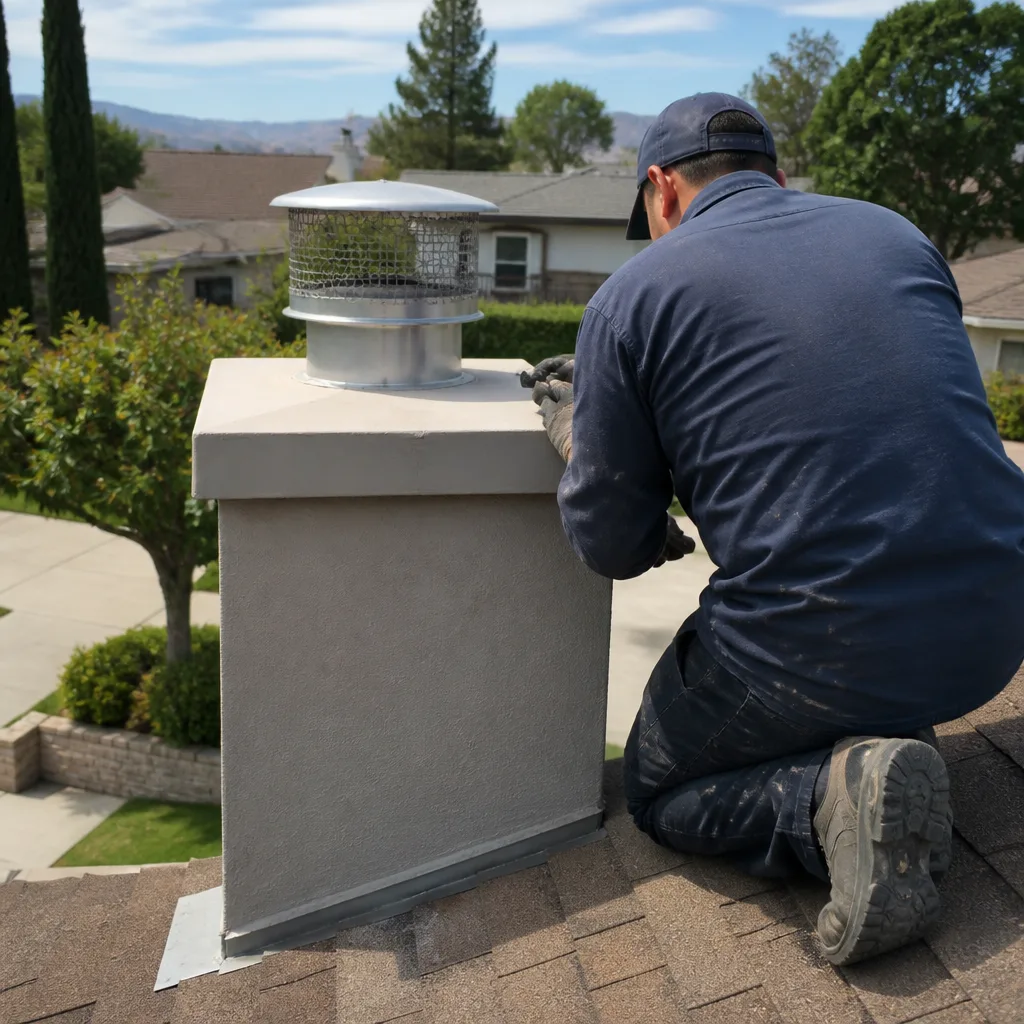
Level 1 sweep and inspection to the NFPA 211 annual standard - flue, crown, cap, and flashing checked and photographed
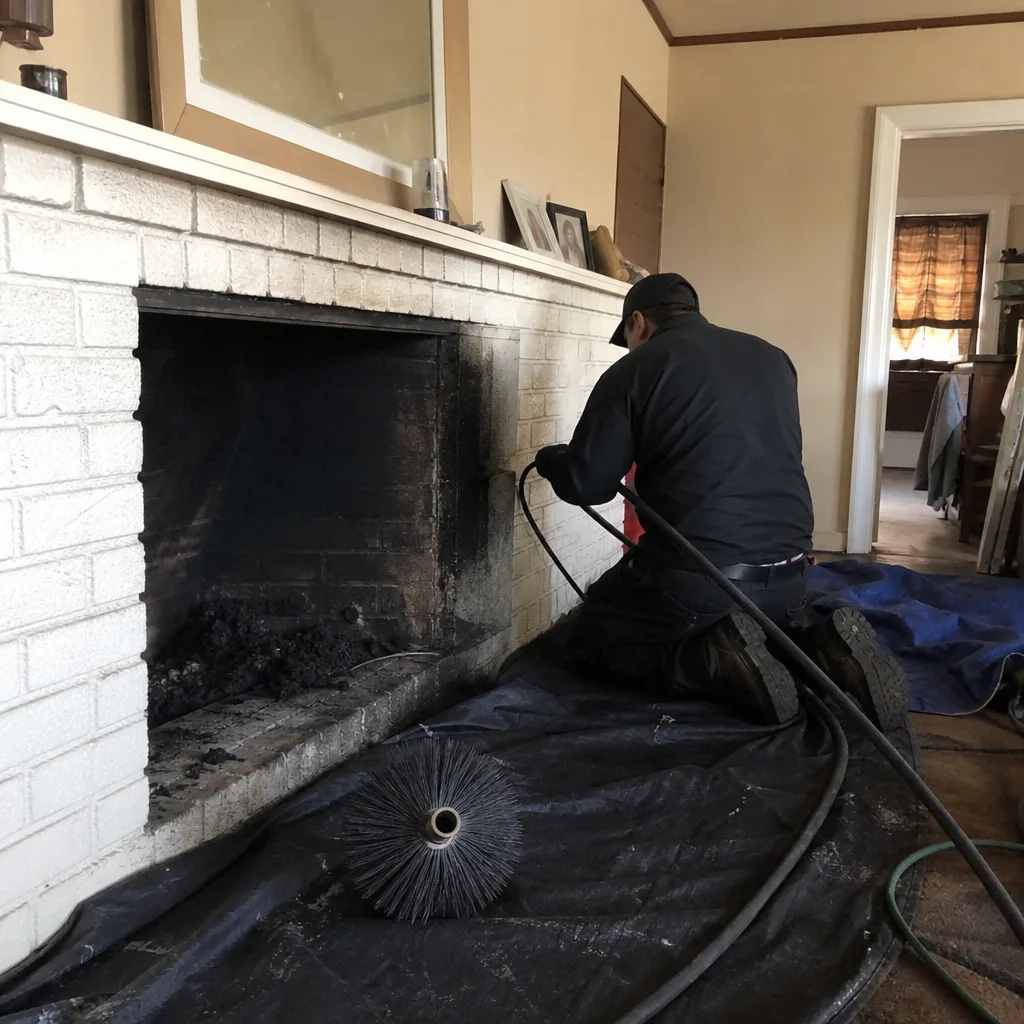
Chimney sweep logs do not sweep chimneys. They loosen some creosote - which then falls where a brush and vacuum still have to collect it.
Chimney Cleaning Permits, Codes & Inspections in CA: What You Need to Know
A chimney relining job completed without a permit in California can surface years later during a home sale as an unpermitted alteration, forcing the seller to either retroactively permit it or disclose it as a defect. Most homeowners who paid for that work had no idea a permit was required. Here’s the counterintuitive reality we see constantly in Pomona: the cleaning itself almost never needs a permit, but the repairs that a good inspection uncovers often do. This guide walks through the California code landscape so you know exactly when you’ve crossed from routine maintenance into permitted work, what inspectors look for, and how documentation protects you when it matters most. For Chimney Sweep Troubleshooting: Common Problems and How to Fix Them, see our dedicated resource.
Styles & brands we work with
Quick Answer
Routine chimney sweep maintenance for Pomona homeowners and inspection in California does not require a building permit. However, structural repairs, liner replacement or resurfacing, and fireplace modifications that alter the chimney’s physical condition typically do require a permit, and unpermitted work can void insurance claims and complicate home sales. The standard that inspectors use is NFPA 211, and a Level 2 inspection with photo documentation is your best protection at point of sale or after any chimney event.
Table of Contents
- The California Line: Maintenance vs. Permitted Repairs
- NFPA 211: The Standard California Inspectors Actually Use
- Level 2 Inspections and Why They Matter at Escrow
- How Permitting Works in Pomona and Los Angeles County
- What Your Homeowner’s Insurance Policy Actually Requires
- Liners, Resurfacing, and the Permit Question Most People Miss
- Common Mistakes to Avoid
- When to Call a Professional
- Frequently Asked Questions
- The Bottom Line
The California Line: Maintenance vs. Permitted Repairs
California Residential Code (CRC) Section R105.1 draws the line this way: a permit is required for any work that is not specifically exempted, and the exemptions list is narrow. Routine maintenance, which the code understands as work that does not alter the structure, the flue, or the mechanical function of a system, does not require a permit. Sweeping a flue falls squarely into this category. You are removing accumulated soot and creosote from an existing passage; you are not changing what the chimney is or how it works.
The moment work touches the liner, the firebox structure, the chimney crown, or the appliance connection, the classification shifts. Here is what typically requires a permit in most California jurisdictions, including Pomona:
- Full liner replacement (stainless steel or otherwise) because it changes the flue’s material, diameter, and performance characteristics.
- Flue resurfacing or relining such as HeatShield ceramic resurfacing, which alters the interior dimension and material of the flue passage.
- Firebox rebuilds or significant masonry repair that affects structural integrity rather than cosmetic pointing.
- Chimney cap or damper installation when the component changes draft characteristics or requires modification to the flue opening. A simple slip-in cap replacement typically does not require a permit; a custom-fabricated cap that alters the termination often does.
- Chase cover replacement, crown repair, and any work involving the chimney top in jurisdictions that classify these as structural alterations.
What does not require a permit in California: sweeping, video scanning or inspection, minor repointing of mortar joints (when structural integrity is not in question), and replacement of a like-for-like damper plate without flue modification. The distinction matters because in Pomona, we regularly meet homeowners who paid for a full reline years ago and now carry an unpermitted alteration on their property record. The seller’s disclosure form (TDS) asks specifically about work done without permits, and an honest seller must answer yes. That answer costs money at the negotiating table.
NFPA 211: The Standard California Inspectors Actually Use
NFPA 211 is the National Fire Protection Association standard for chimneys, fireplaces, vents, and solid fuel burning appliances. California building officials and fire marshals use it as the baseline reference for chimney safety compliance, and it is incorporated by reference in many local codes. When a Pomona inspector reviews a chimney installation or repair, they are checking against NFPA 211 clearances, liner requirements, and appliance connection rules, not against a loose standard of “looks fine.”
The key requirements homeowners should know:
- Combustible clearance: NFPA 211 requires a minimum air space between the chimney exterior and any combustible framing. For a masonry chimney, that is typically 2 inches. For factory-built chimneys, the manufacturer’s listed clearance governs, often 2 inches as well.
- Liner condition: The flue liner must be continuous, free of cracks, gaps, or spalling that would allow heat or combustion gases to reach the chimney structure or home framing. A cracked clay tile liner is a code violation waiting to be documented.
- Appliance connections: A wood stove or insert must be connected to a listed liner that is sized correctly for the appliance. The days of dumping stove exhaust into an oversized masonry flue are over; NFPA 211 requires proper sizing and connection.
- Termination height: The chimney must extend at least 3 feet above the point where it passes through the roof and at least 2 feet above anything within 10 horizontal feet. Pomona inspectors check this on every permit final.
- Creosote accumulation: NFPA 211 does not specify a sweep interval, but it requires that chimneys be “maintained in a clean and structurally sound condition.” Accumulation greater than 1/8 inch is widely cited by inspectors as a maintenance failure.
In our experience, homeowners rarely need to know NFPA 211 chapter and verse. They need to know that it exists, that inspectors use it, and that a chimney professional who references it is doing the job the code actually requires. The standard also matters for insurance claims: an adjuster evaluating a chimney fire will frequently reference NFPA 211 to determine whether the homeowner’s maintenance met the policy’s reasonable-care standard.
Level 2 Inspections and Why They Matter at Escrow
A Level 2 inspection is a specific, documented procedure defined by the Chimney Safety Institute of America (CSIA) and referenced in NFPA 211. It includes everything in a Level 1 inspection plus video scanning of the flue interior, inspection of accessible attics, crawl spaces, and basements around the chimney structure, and documentation of clearances and condition. A Level 2 is required at point of sale, after any chimney fire, after an earthquake or severe weather event, and after any significant change to the system.
In Pomona and across Los Angeles County, the real estate market moves fast, and a Level 2 inspection with photo documentation is what separates a clean sale from a contingency nightmare. Here is what the documentation actually does:
- It establishes the chimney’s condition on a specific date, with images that would hold up in a disclosure dispute or insurance claim.
- It satisfies the seller’s duty to disclose known material defects. A clean Level 2 report says the seller investigated and found no hidden condition requiring disclosure.
- It gives the buyer leverage to request repairs or credits, backed by documented findings rather than speculation.
- It eliminates the “we didn’t know” defense for the seller if a chimney problem emerges after close; the report either found it or it did not exist at inspection.
We tell clients that a Level 2 inspection is the cheapest insurance they will ever buy. The cost in Pomona typically runs a few hundred dollars, while an undisclosed liner defect can cost a seller $5,000 to $10,000 in escrow concessions. And because the inspection includes video scanning, the homeowner sees the actual flue condition with their own eyes, not a summary bullet point. You can watch the camera pass your cracked tile liner. That transparency is the point.
How Permitting Works in Pomona and Los Angeles County
Pomona sits within Los Angeles County but operates its own building and safety division under the Pomona Municipal Code. Permit applications for chimney work go through the city’s Planning and Building Department, and the process follows the standard California pattern: application, plan review (for structural or liner work), permit issuance, inspection, and final sign-off.
What a typical permitted chimney repair looks like in Pomona:
- You or your contractor pulls a building permit for the specific scope: liner replacement, firebox repair, or structural masonry work.
- The city reviews the scope against current CRC requirements. For liner work, that includes the type of liner, sizing, and clearances.
- The contractor completes the work. If the installation deviates from code, the inspector can require correction before sign-off.
- A city inspector visits for a rough inspection (often mid-job) and a final inspection. The final sign-off is the document that matters for insurance and resale.
One thing homeowners in Pomona should know: the city’s inspection process is not a rubber stamp. We’ve seen final inspections flag issues such as missing fireproofing at the firebox header, incorrect damper installation, and flue terminations that fall short of the 3/2/10 rule. An inspector who sees a chimney that has been cleaned but never permitted for past repairs will document it, and that documentation follows the property.
Permit fees for chimney work in Pomona are modest compared with the cost of the underlying repair, typically running $100 to $300 depending on scope and valuation. But the real cost of skipping the permit is not the fee. It is the unpermitted status itself, which must be disclosed or retroactively resolved later, often at greater expense than if the permit had been pulled in the first place. The Chimney Sweep in Pomona page covers the inspection side in more detail.
What Your Homeowner’s Insurance Policy Actually Requires
California homeowners’ insurance policies are not uniform, but most contain two provisions that directly affect chimney work. The first is a duty to maintain the insured property in reasonable condition; the second is an exclusion for losses caused by wear, tear, deterioration, or lack of maintenance. A chimney fire is frequently litigated on exactly this ground: was the fire caused by a sudden event, or by years of creosote accumulation the homeowner should have addressed?
Here is how skipped inspections and unpermitted work translate into real insurance problems:
- Chimney fire claims: If an adjuster determines that creosote buildup exceeded safe limits and the homeowner had not had the chimney swept in years, the claim may be denied as a maintenance failure. The policy language matters, but the adjuster’s factual finding usually controls.
- Unpermitted liner work: If a homeowner relined the chimney without a permit and then files a claim for a house fire originating at the chimney, the insurer may cite the unpermitted alteration as a material change to the risk. It does not automatically void coverage, but it gives the insurer grounds to deny or reduce a claim.
- Carbon monoxide incidents: A blocked or damaged flue leading to a CO event will trigger questions about inspection history. Documented annual cleanings and inspections are the homeowner’s strongest defense.
- Real estate disclosure interactions: Insurance companies increasingly review permit history when writing new policies. A property with an undisclosed unpermitted chimney alteration is a red flag at underwriting time.
The practical advice is straightforward: document everything. Keep sweep receipts, inspection reports, and permit final sign-offs. In Pomona, where many homes date to the mid-20th century and chimney systems have seen decades of use, a documented maintenance history is the difference between a smooth claim and a contested one. The Chimney Repair in Pomona page explains how proper repair documentation supports exactly this.
Liners, Resurfacing, and the Permit Question Most People Miss
The single biggest permitting blind spot we see in Pomona involves liner work. A homeowner is told the clay tile liner is cracked and the chimney needs to be relined. The repair is quoted, approved, and completed. Nobody mentions a permit. Five years later, the homeowner is selling the house, and the buyer’s home inspector asks to see the permit for the reline. It does not exist. The seller is now either retroactively permitting the work, which requires opening walls or proving the installation meets current code without seeing it, or disclosing an unpermitted alteration and renegotiating the price.
This is why the material and method matter. A full stainless steel reline using a system like DuraFlex changes the flue’s diameter and material, and it is structural work requiring a permit in nearly every California jurisdiction. Same for a cast-in-place liner. Same for a ceramic resurfacing system like HeatShield, which requires the same engineering justification and code inspection as a full reline, because it alters the flue’s interior dimension and thermal characteristics. It can restore a liner without the cost and disruption of full replacement, but it does not sidestep the permit requirement. The permit is about what changed, not what it cost.
Homeowners should ask their contractor three questions before any liner work begins: Is this permitted work? Who pulls the permit, you or me? Will you sign off on the final inspection? A contractor who hesitates on any of those questions is a contractor who will leave the homeowner holding unpermitted work. We specify DuraFlex flexible liner systems and apply HeatShield ceramic resurfacing precisely because these are trade-standard materials that hold up to inspection. A hardware-store alternative may fail a Pomona inspection on material specifications alone. Professional-grade materials, not hardware-store substitutes, is not a slogan; it is what the code expects.
Common Mistakes to Avoid
- Assuming all chimney work is permit-exempt because the chimney is inside the house. The California code exemptions are narrow, and liner and structural work are not on the list. If the work alters the flue, it likely needs a permit.
- Paying for a reline without asking about the permit. In Pomona, this mistake surfaces at resale as an unpermitted alteration that must be disclosed or retroactively resolved. Always ask who pulls the permit before work begins.
- Skipping the Level 2 inspection at point of sale. A basic Level 1 sweep-and-glance does not include video scanning of the flue interior. Sellers who skip it invite post-close disputes; buyers who skip it inherit unknown conditions.
- Treating a chimney cleaning receipt as proof of structural soundness. A sweep removes creosote. It does not document liner integrity, clearance compliance, or firebox condition. Only an inspection with camera documentation does that.
- Accepting a verbal “it’s fine” from a repair quote. Get findings in writing with photos. A Pomona homeowner who cannot see the condition with their own eyes is being asked to approve work on faith, and that is exactly when unneeded repairs happen.
- Ignoring NFPA 211 clearances during a remodel. Homeowners who finish a basement or attic around an existing chimney frequently violate combustible clearance requirements without realizing it. Code requires the air gap, no matter what the drywall installer says.
- Using off-the-shelf caps, dampers, or liner components in a permitted repair. If the work is being inspected, the materials need to meet the referenced standard. Generic hardware-store parts can fail a Pomona inspection on specification grounds.
When to Call a Professional
Call a chimney professional if you are buying or selling a home and a Level 2 inspection has not been performed on the chimney system. For more guides & resources on chimney care, visit our blog. Call if you have had a chimney fire, a lightning strike, or an earthquake nearby. Call if you notice flaking tile at the fireplace, water staining around the chimney chase, or a smell of smoke in the house when the fireplace is cold. Call if your dryer vent has never been cleaned, because the same combustion-safety logic applies there: lint is a leading cause of residential fires, and a dryer vent cleaning addresses a hazard most homeowners never see. Lantern Chimney Sweep offers free estimates in Pomona, and we will show you exactly what we found before recommending anything. Call (855) 341-8132.
For homeowners who want both the chimney and the dryer vent addressed in one visit, the Dryer Vent Cleaning in Pomona page explains how that pairing works and why it matters for fire safety in Southern California’s dry climate. We are the same crew handling both, using the same trade-grade standard and materials.
Frequently Asked Questions
No. Routine chimney sweeping and visual inspection are classified as maintenance and do not require a building permit in California, including in Pomona. A permit becomes necessary when work alters the flue liner, firebox structure, chimney crown, or appliance connection.
A standard chimney sweep in Pomona typically costs between $150 and $280 depending on the flue condition, roof accessibility, and whether a Level 1 or Level 2 inspection is included. A Level 2 inspection with video scanning runs higher, typically $200 to $400, because it includes camera documentation of the entire flue interior. The cost is a fraction of what an unpermitted liner problem will cost at resale. Call (855) 341-8132 for an exact quote, estimates are free.
Yes, in almost every California jurisdiction, including Pomona. Replacing or resurfacing a flue liner changes the chimney’s material and performance characteristics, which takes the work out of the maintenance category and into structural alteration. A permit is required, and the final inspection sign-off is the document that protects you at resale and in an insurance claim.
A Level 1 inspection is a visual check of the accessible portions of the chimney and fireplace, performed during routine maintenance when nothing has changed. A Level 2 inspection adds video scanning of the flue interior and examination of accessible attic, crawl space, and basement areas around the chimney. Level 2 is required at point of sale, after a chimney fire, or after any significant event.
The CSIA and NFPA 211 recommend sweeping when creosote accumulation reaches 1/8 inch, which for most regularly used wood-burning fireplaces means every year or every cord of wood burned. Gas fireplaces can go longer between cleanings but still need annual inspection for venting and burner condition. In Pomona’s dry climate, creosote becomes brittle and flaky, which can actually increase fire risk compared with the sticky creosote common in wetter climates.
You will still be required to disclose any known chimney condition on the seller’s disclosure form, and if the buyer’s inspector finds an undocumented liner crack or clearance violation, you will either renegotiate the price or face a post-close dispute. A Level 2 inspection before listing, with photo documentation, protects the sale and usually costs less than the escrow concession it prevents. Call (855) 341-8132 to schedule yours.
The Bottom Line
The California code is clear: cleaning and inspection need no permit. Repairs that alter the flue or structure do. The consequence of getting this wrong in Pomona is an unpermitted alteration that surfaces at resale, an insurance claim that gets denied for maintenance failure, or a chimney fire that started because a cracked liner was never seen on camera. Document everything, ask who pulls the permit, and never approve a repair you have not seen with your own eyes. The Lantern Chimney Sweep home page explains our full approach: sweep, assess, repair, with documentation at every step. That is the sequence that keeps a chimney legal, insurable, and safe. If you have questions about your specific chimney, call (855) 341-8132 for a free estimate, and we will walk you through exactly what applies to your home.
Written by the team at Lantern Chimney Sweep, serving Pomona since 2013.
See the difference
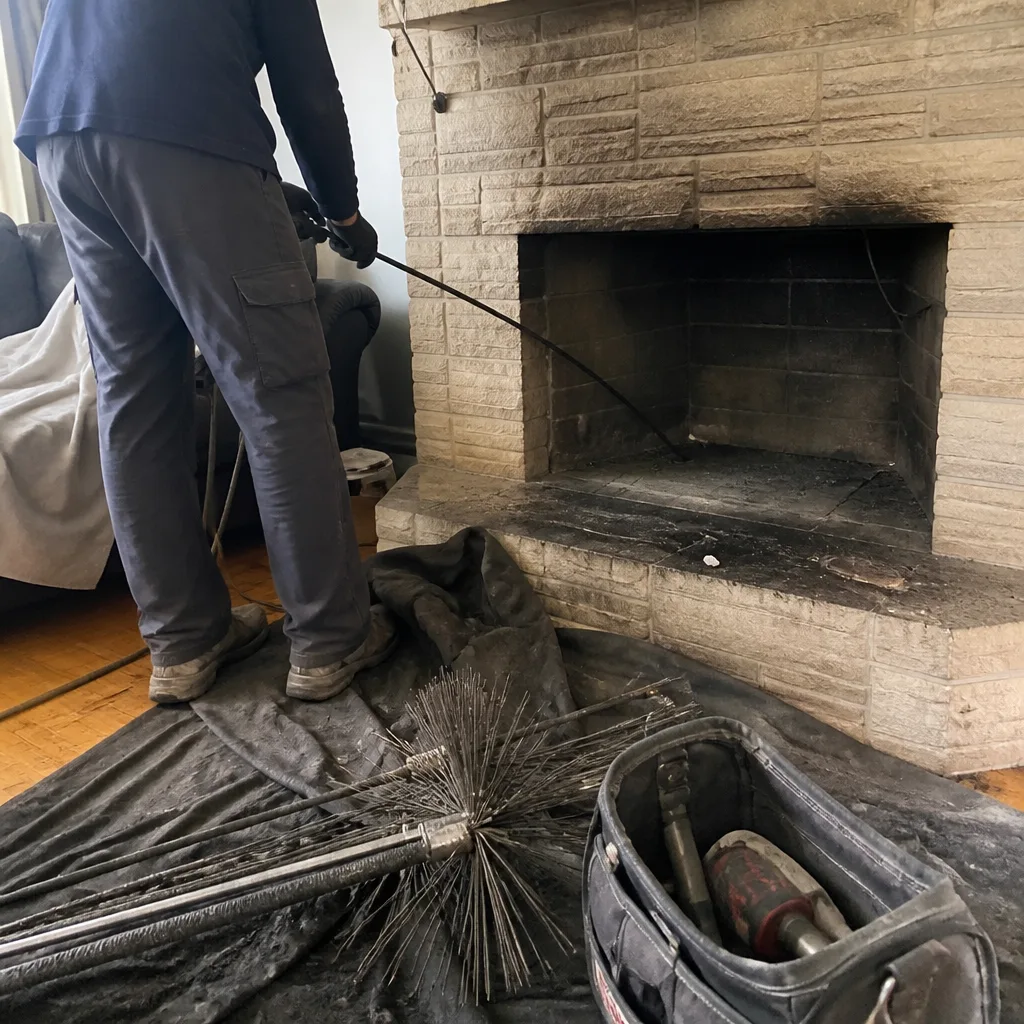 Before
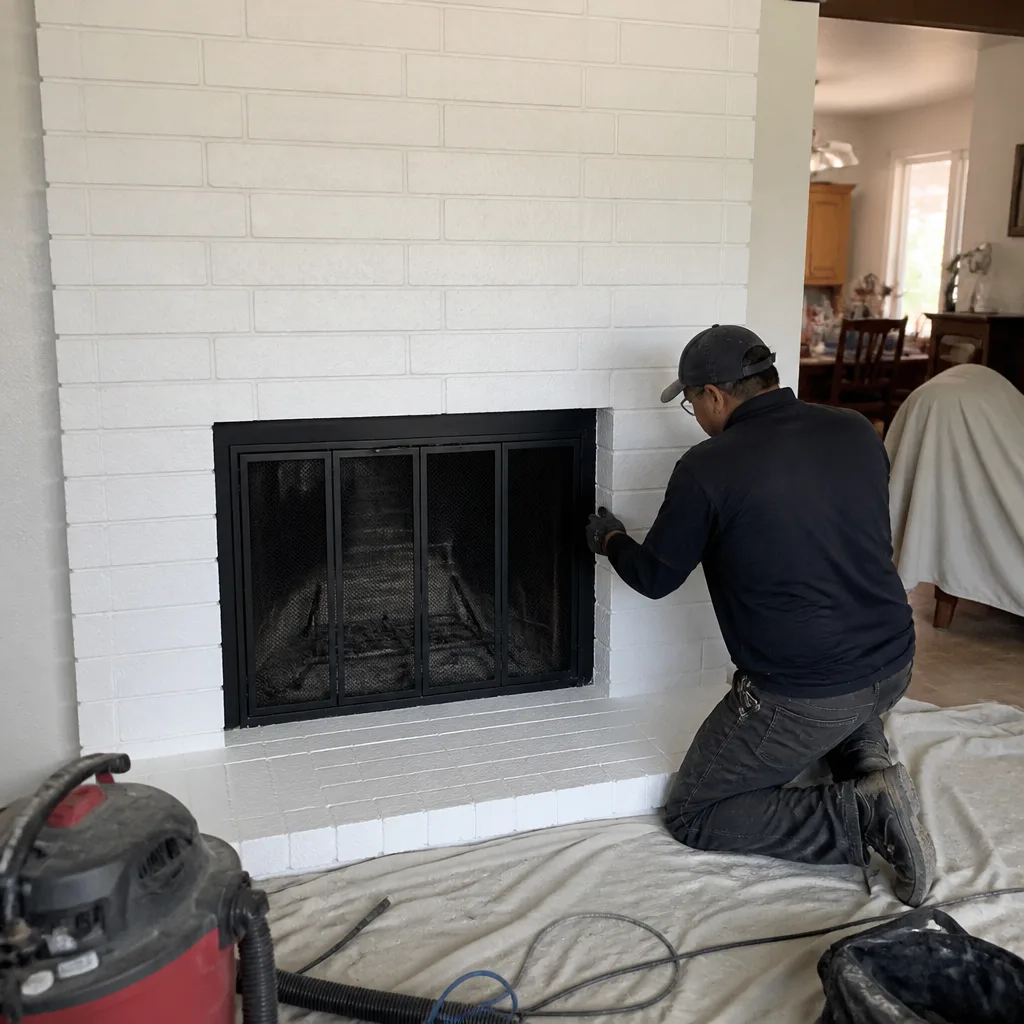 After
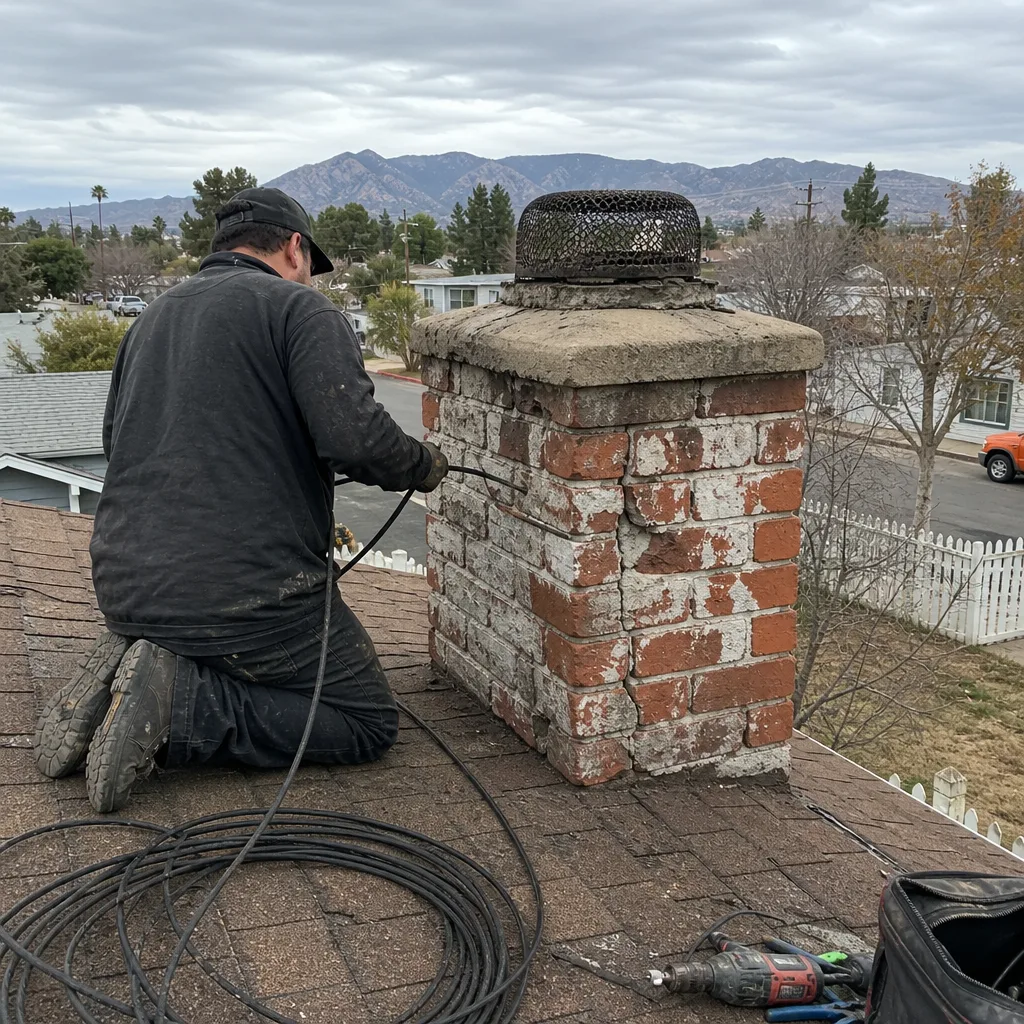 Before
 After
 Before
 After