
Last updated October 30, 2026
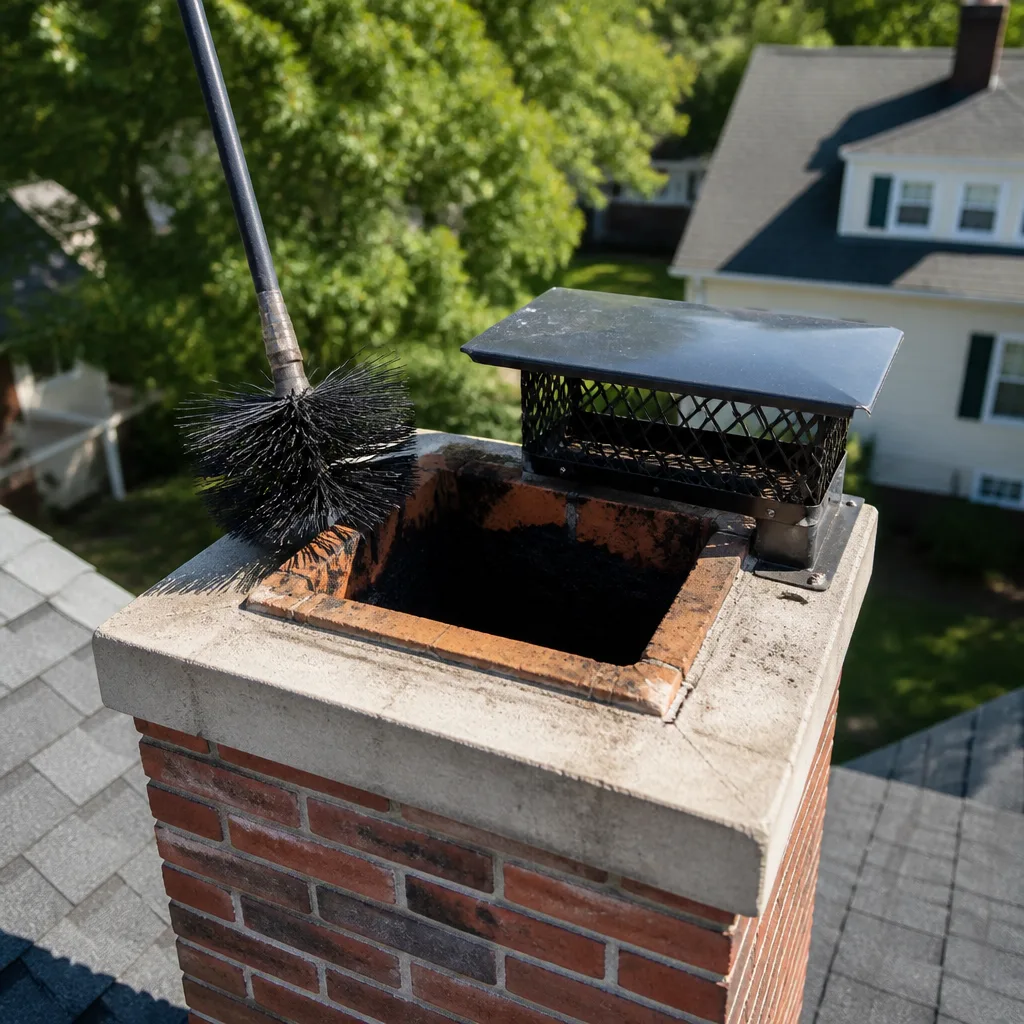 Sweep & inspection
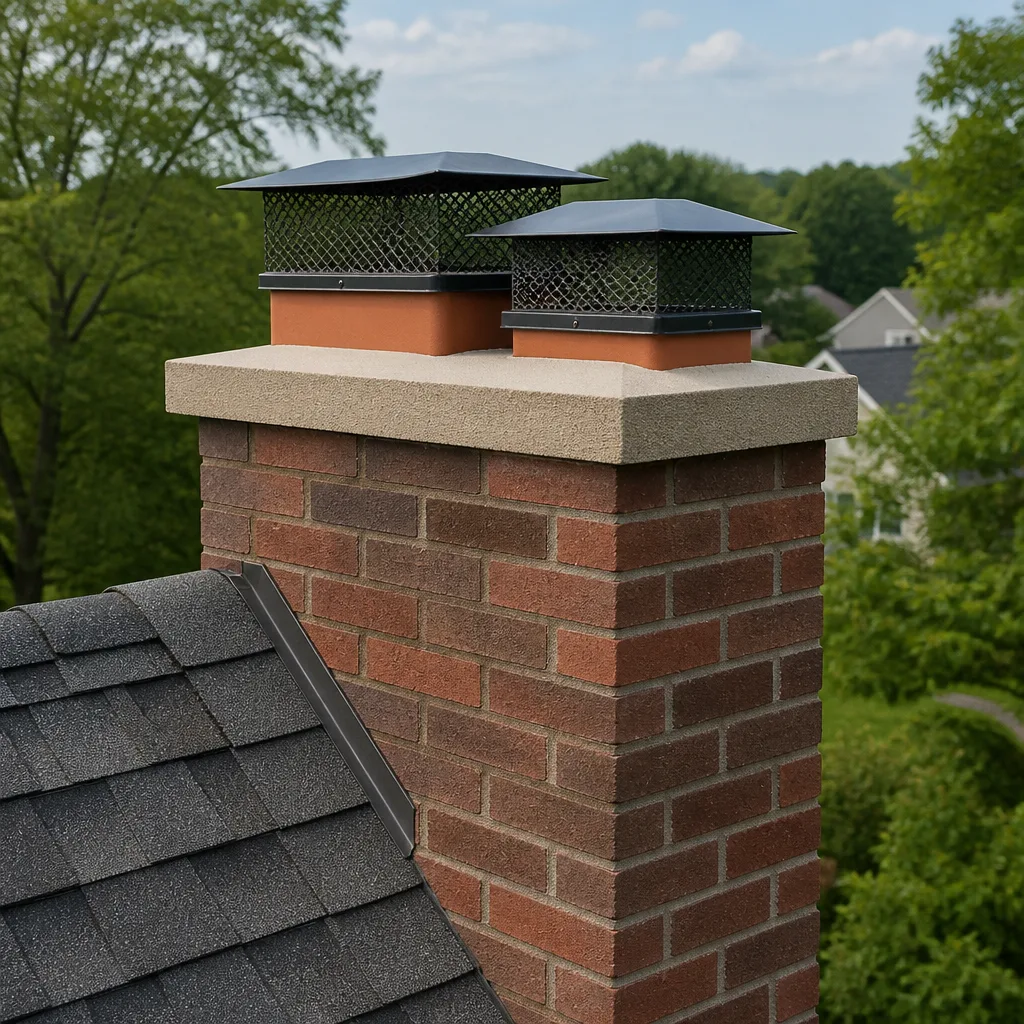 Caps & crowns
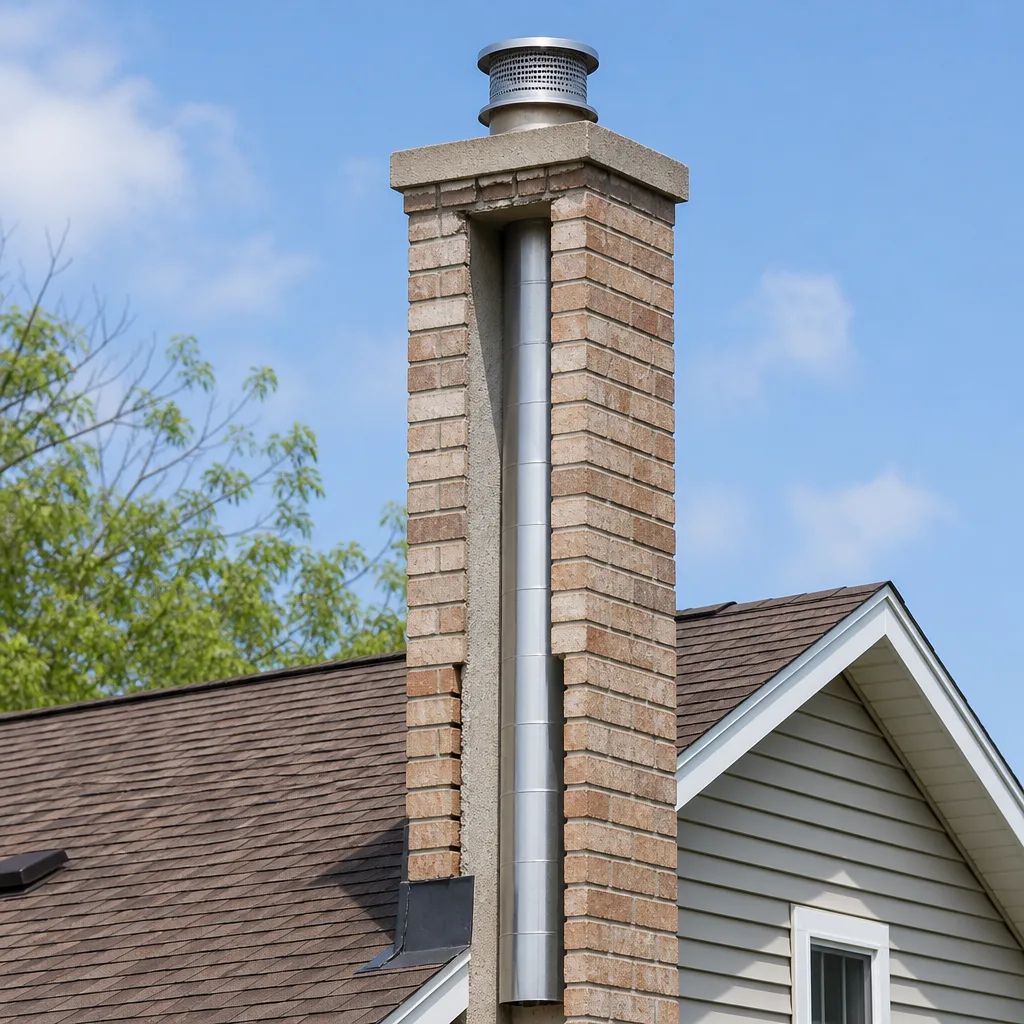 Flue relining
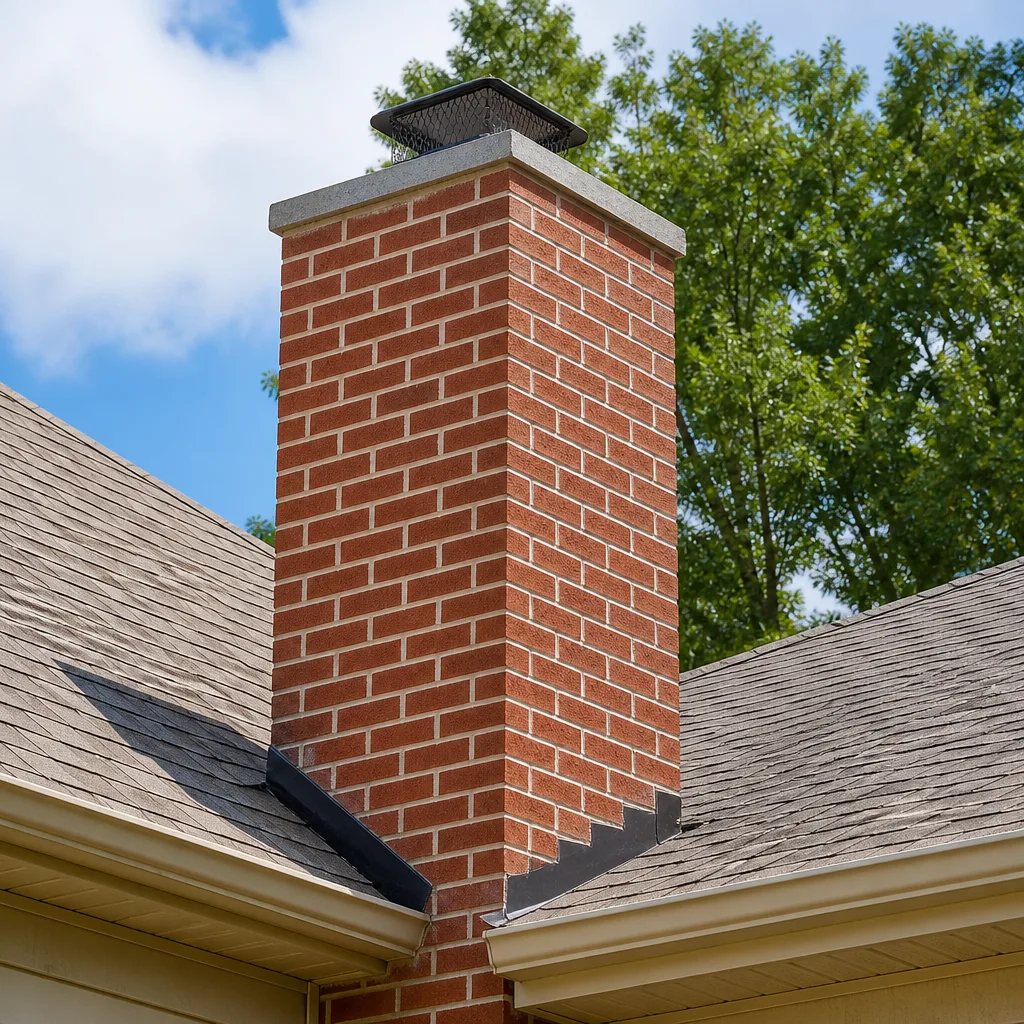 Masonry repair
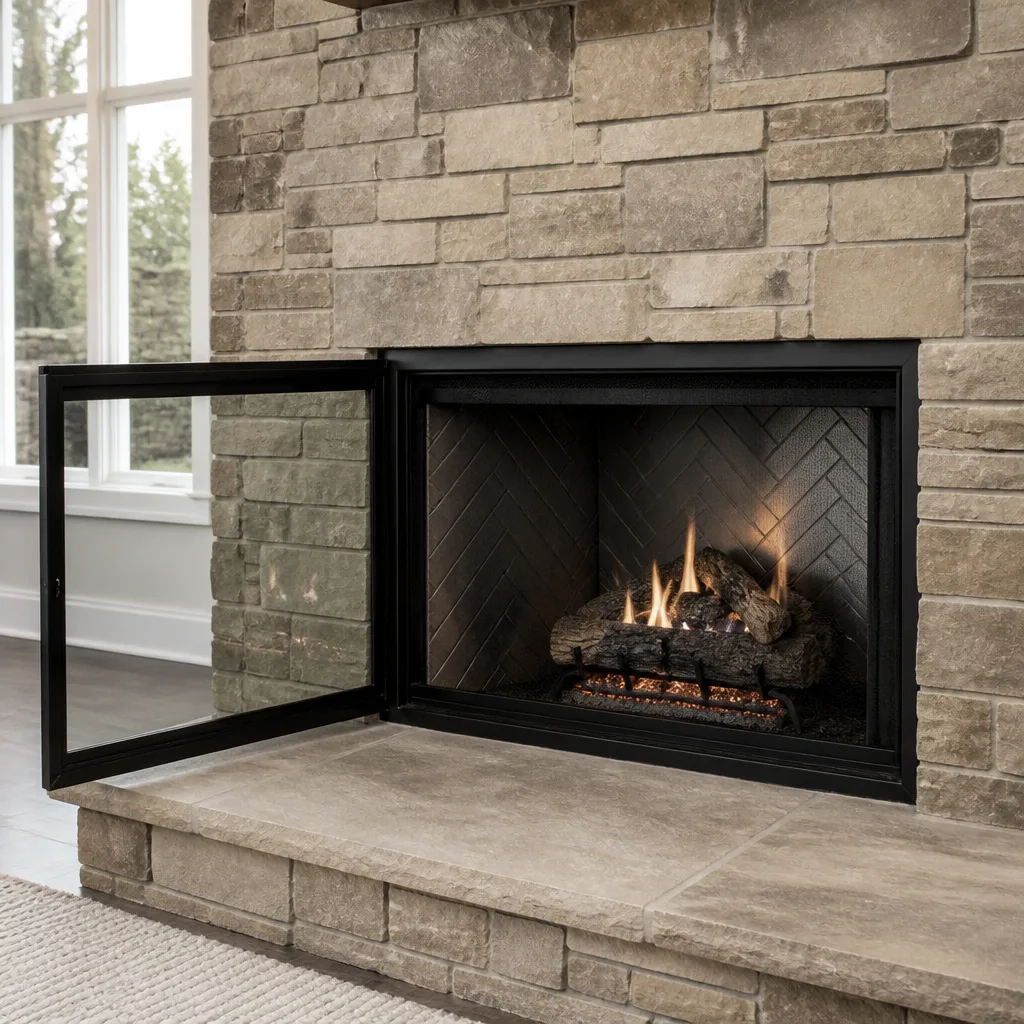 Gas fireplace service
Level 1 sweep and inspection to the NFPA 211 annual standard - flue, crown, cap, and flashing checked and photographed
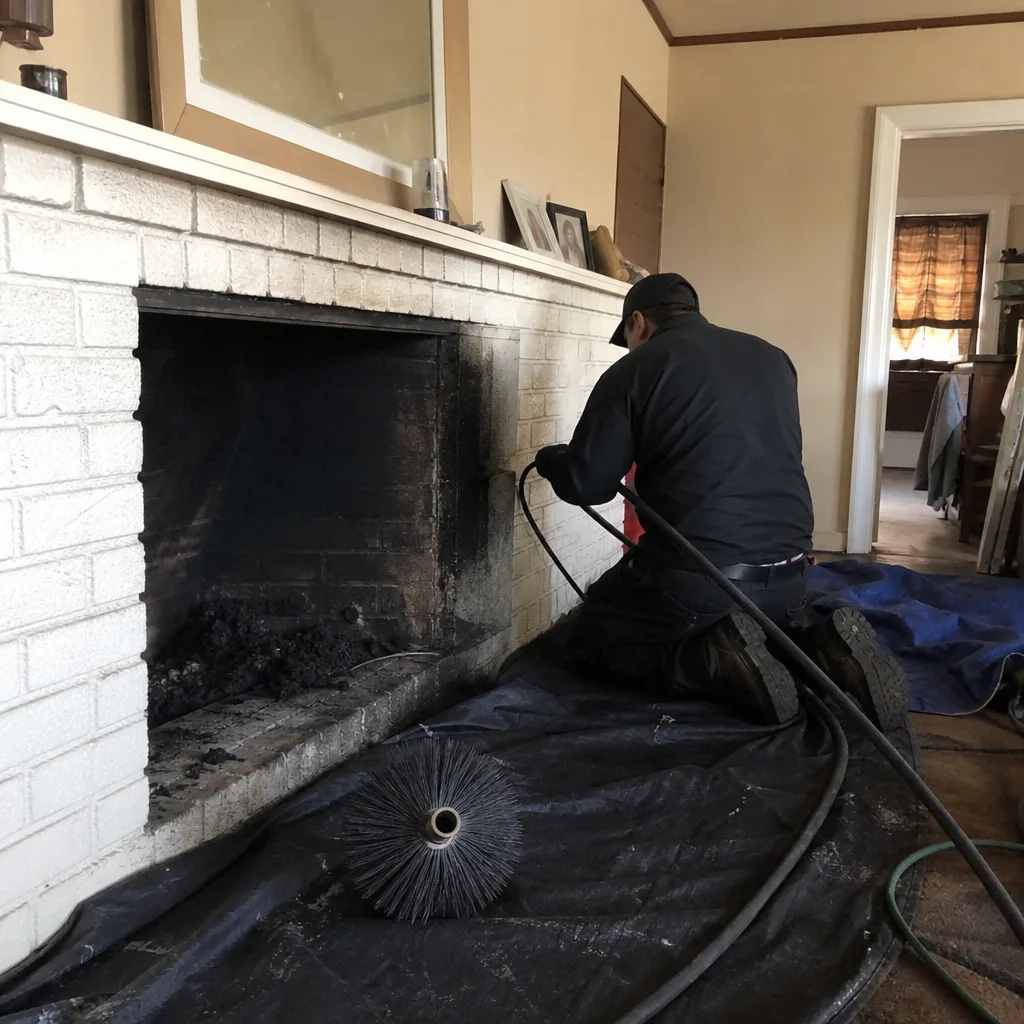
Chimney sweep logs do not sweep chimneys. They loosen some creosote - which then falls where a brush and vacuum still have to collect it.
Chimney Cleaning Warning Signs: A Pomona Homeowner’s Reference Guide
A faint smoky smell in a room with no fire going isn’t a ghost, and it isn’t your imagination. It’s one of the most reliable early indicators of a draft problem, a cracked liner, or a failed damper seal. Homeowners in Pomona who investigate that smell early are the ones who avoid the midnight calls after a smoke event, a chimney fire, or a carbon monoxide alarm. This guide catalogs the real signals your chimney sends before trouble turns dangerous, and explains exactly what each one is telling you about what’s happening inside the flue. For additional Chimney Sweep Troubleshooting: Common Problems and How to Fix Them, see our dedicated troubleshooting resource. We’ve organized it by sense, because most warning signs aren’t visual. They’re quiet, easy to rationalize, and often present for months before anyone connects them to the chimney at all.
Styles & brands we work with
Quick Answer
The most common chimney warning signs in Pomona homes are a smoky smell with no fire burning, black creosote glazing or white staining inside the firebox, slow or smoky fire startup, spalling or flaking exterior brick, and rust staining below the chimney cap. If you notice any of these, stop using the fireplace until a professional inspects it. Most warning signs cost a few hundred dollars to address when caught early, and several thousand when ignored long enough for liner damage to spread. Our Chimney Sweep Maintenance Checklist for Pomona Homeowners can help you catch these issues before they escalate.
Table of Contents
- Smell-Based Warnings Decoded: What Your Nose Knows
- Visual Signals You Can Check Yourself in the Firebox
- Performance Signals During Use: What a Struggling Fire Tells You
- Exterior Signals on Pomona Chimneys: Brick, Cap, and Crown
- The Triage Framework: Stop, Schedule, or Relax
- Common Mistakes to Avoid
- When to Call a Professional
- Frequently Asked Questions
- The Bottom Line
Smell-Based Warnings Decoded: What Your Nose Knows
Your nose is the earliest chimney diagnostic tool you own. Before cracks are visible and before smoke rolls into the room, odor changes signal that something inside the flue has shifted. The challenge is that every smell means something different, and treating them all as “that weird chimney smell” leads to wrong conclusions. Here are the three primary smell profiles we encounter in Pomona homes and what each one indicates.
The Tar and Sulfur Smell: Creosote Buildup
If your fireplace smells like hot asphalt, burned tar, or sulfur even when cold, you’re smelling creosote. Creosote is the condensed byproduct of wood combustion. It forms in layers inside the flue, and it becomes progressively more dangerous the more it accumulates. Stage one creosote is flaky and gray, more ash than hazard. Stage two is black, gritty, and tar-like. Stage three is glazed, hardened, and extremely flammable. The stronger the tar smell, especially on warm days or after rain, the more likely you have stage two or three creosote coating the interior walls.
Pomona’s climate contributes to this in a specific way. Homes in the Inland Empire run fireplaces during cool winter evenings and leave them dormant through long hot summers. That long dormancy allows creosote to harden and bind to the flue walls. When you light the first fire of fall, the baked-on creosote heats, off-gasses, and fills the house with that unmistakable burned-tar odor. At that point, sweeping alone may not remove hardened stage three glaze. You may need professional treatment or, in cases where the creosote has compromised the liner, a repair assessment.
The Animal and Organic Smell: Nesting
A smell like wet leaves, musty hay, or a dead rodent is the signature of animal nesting. Chimneys in Pomona neighborhoods near the foothills, especially Phillips Ranch, Ganesha Hills, and Westmont, see regular use by birds, squirrels, and raccoons as nesting sites during spring. The top of a chimney is a warm, sheltered, predator-resistant cavity, and an uncapped or poorly capped flue is an open invitation.
Nesting material itself is a fire hazard, but it’s also a carbon monoxide hazard. A blocked flue cannot vent combustion gases, and those gases will find the path of least resistance back into the living space. If you smell something organic near the fireplace, do not light a fire until the flue is inspected and cleared. A proper chimney sweep in Pomona includes checking the full flue path for blockages from the firebox to the crown, and the camera footage tells you exactly what was in there.
The Cold Smoke Smell: Draft Reversal
Here’s one most homeowners misread. If you smell smoke but the fire has been out for days, and it’s strongest in the evening or on windy nights, you’re likely experiencing draft reversal. A chimney that has not been used is colder than the outside air, especially during Pomona’s summer when the flue acts like a sun-warmed column. Warm outside air wants to fall down that chimney, carrying the smell of soot and old smoke into the room. It’s the equivalent of the flue running in reverse.
Draft reversal happens when the damper doesn’t seal, when the chimney cap is missing, or when the home’s ventilation pulls air down the flue due to negative pressure. It can also signal that the flue is too large for the fireplace, or that a nearby appliance is competing for combustion air. While not immediately dangerous, it will drive that persistent “old fire” smell into the house every time weather conditions shift. A damper repair or top-sealing cap typically resolves it.
Visual Signals You Can Check Yourself in the Firebox
You don’t need to climb a ladder or own specialized tools to perform a basic visual check of your fireplace. Grab a flashlight, open the damper slowly so settled debris doesn’t pour down, and look carefully at the firebox walls, the smoke chamber, and as far up the flue as you can see. Here’s what specific visual markers mean.
White Staining on the Firebox Walls
White, chalky streaks or a whitish film on the inner surfaces of your firebox indicate water entry. Water dissolves the minerals in masonry and mortar, carries them through the brick, and leaves a white crystalline residue called efflorescence as it evaporates. In Pomona, where rain arrives in rare heavy bursts between long dry spells, efflorescence often appears after the first real winter storm. The water may be entering through a cracked crown, damaged cap, porous brick, or failing flashing at the roofline. Efflorescence itself is cosmetic, but the water causing it is not. Repeated water exposure weakens the masonry and accelerates liner damage.
Black Glazing Inside the Throat or Smoke Chamber
If you see shiny, tar-like black deposits on the walls above the damper or just inside the firebox lip, you’re looking at stage three creosote. This is the most hazardous form because it burns at extremely high temperatures and resists removal by rotary brush alone. Homeowners in Pomona who burn manufactured fire logs or softwoods like pine from local stands often reach this stage faster than they expect. The fire burns at a lower temperature, the smoke cools quickly in the flue, and the creosote condenses in heavy layers. If you can see shiny black glaze, schedule a professional assessment before using the fireplace again.
Visible Cracks in the Firebox Panels
Firebox panels are the refractory bricks that line the area where your fire burns. A hairline crack may not seem like much, but firebox panels exist to protect the home’s framing from direct flame contact. A crack is a direct path for heat to reach combustible material behind the fireplace. Cracks wider than the thickness of a nickel, cracks that continue into the mortar joints, or panels that have begun to shift or crumble warrant immediate attention. The repair is usually straightforward: panel replacement or refractory mortar repair. What is not straightforward is what happens if a fire burns through a compromised panel into the wall cavity.
Debris Falls and Unexpected Dirt
If you open the damper and find leaves, twigs, small pieces of brick, or unidentified dark granules in the firebox, something is failing above you. Leaves and twigs point to a missing or undersized chimney cap. Brick fragments point to spalling masonry in the middle or upper flue. Dark granular material that looks like coffee grounds is often degraded mortar or liner material, and it signals that the flue’s interior surface is beginning to break down. Any falling debris is abnormal in a healthy chimney, and the source needs to be identified.
Performance Signals During Use: What a Struggling Fire Tells You
You can learn as much from how your fireplace behaves during a burn as you can from how it looks when cold. Each of the following performance patterns has a specific mechanical cause. None of them resolve on their own, and all of them are worth noting before lighting the next fire.
Slow or Difficult Ignition
A fire that takes repeated attempts to light, smolders rather than flames, or keeps dying even with dry kindling is telling you the flue isn’t drawing air. Causes include a cold flue that hasn’t been primed, a closed or partially closed damper, an undersized flue for the firebox, a blocked chimney cap, or negative air pressure inside the home. Pomona homes built tight for energy efficiency sometimes suffocate a fire because every exhaust fan, furnace, and water heater is competing for the same limited combustion air. If the fire itself won’t burn properly, carbon monoxide is likely also not venting properly. That’s the part people forget: a lazy fire is an incomplete combustion signal, not just an inconvenience.
Smoke Rollout Into the Room
Smoke entering the room in puffs or curls when the fire is lit is a sign the chimney is not performing its core function: removing combustion gases. Brief rollout at ignition is common while the flue warms, but ongoing rollout is not normal. The usual suspects are an obstructed flue, heavy creosote narrowing the draft passage, or a flue that’s incorrectly sized for the firebox opening. In some Pomona homes, we also see smoke rollout caused by a leaky house envelope, where competing mechanical ventilation overcomes the chimney’s natural draw. Each cause has a different fix, and a camera inspection is the fastest way to see which one applies.
Excessive Smoke Smell During a Clean Fire
The smell of smoke while a fire burns cleanly with steady flame should fade into the background. If it stays sharp, fills the house, or lingers for hours after the fire ends, the smoke is finding a path other than the flue. A hairline crack in the liner can leak small amounts of smoke into wall cavities. A failed mortar joint in the smoke chamber can do the same. A gap around the damper frame can let smoke bypass the damper and enter the room behind the trim. None of these leaks are visible from the firebox floor, which is why a proper diagnostic matters. When a customer describes smoke smell that “appears from nowhere” three hours after the fire, our first suspicion is always a liner breach in a hidden section of flue.
Exterior Signals on Pomona Chimneys: Brick, Cap, and Crown
Step outside and look up at your chimney. The exterior brick, cap, and crown take the full force of Pomona’s climate: hot sun in summer, rain in winter, and temperature swings that stress masonry joints year-round. Here’s what you’re looking for and what each finding means.
Spalling Brick from Heat Cycling
Spalling is what happens when brick faces flake, pop, or fall away in chunks, leaving the softer inner brick exposed. In Pomona, dual forces drive it: water absorbs into the brick during rain, then the sun heats the brick and expands that trapped moisture until the brick surface fails. Repeated cycles turn a subtle chip into a missing brick face within a few seasons. If you find brick shards on the roof or in the yard near the chimney, spalling is active. Beyond the masonry damage, spalling creates pathways for water to enter the chimney structure and accelerates damage to the flue liner inside. Masonry repair with matching brick and mortar is the fix, and it’s far less invasive in year one than in year five.
Rust Staining Below the Chimney Cap
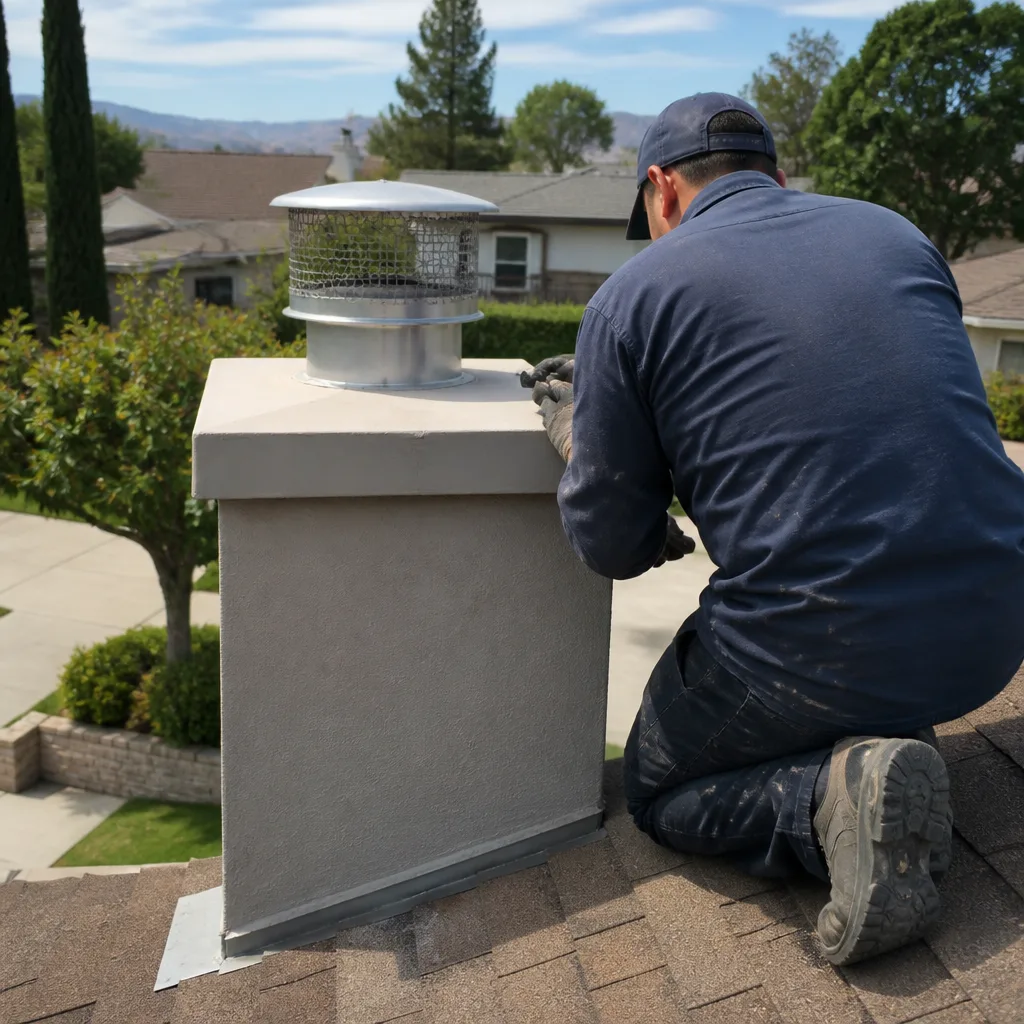
Rust-colored streaks running down the brick or stucco below the cap mean the cap or its hardware is failing. Galvanized steel caps rust from the inside out, and those streaks are the rust washing down with rain. A rusting cap isn’t just an aesthetic problem: once the cap’s protective coating fails, the metal itself thins and eventually loses structural integrity. The standard replacement material should be stainless steel or copper, which resist corrosion far longer. A chimney repair in Pomona that includes cap replacement is a same-day job when the flue access is straightforward, and the upgrade is permanent.
Crown Cracking from Thermal Expansion
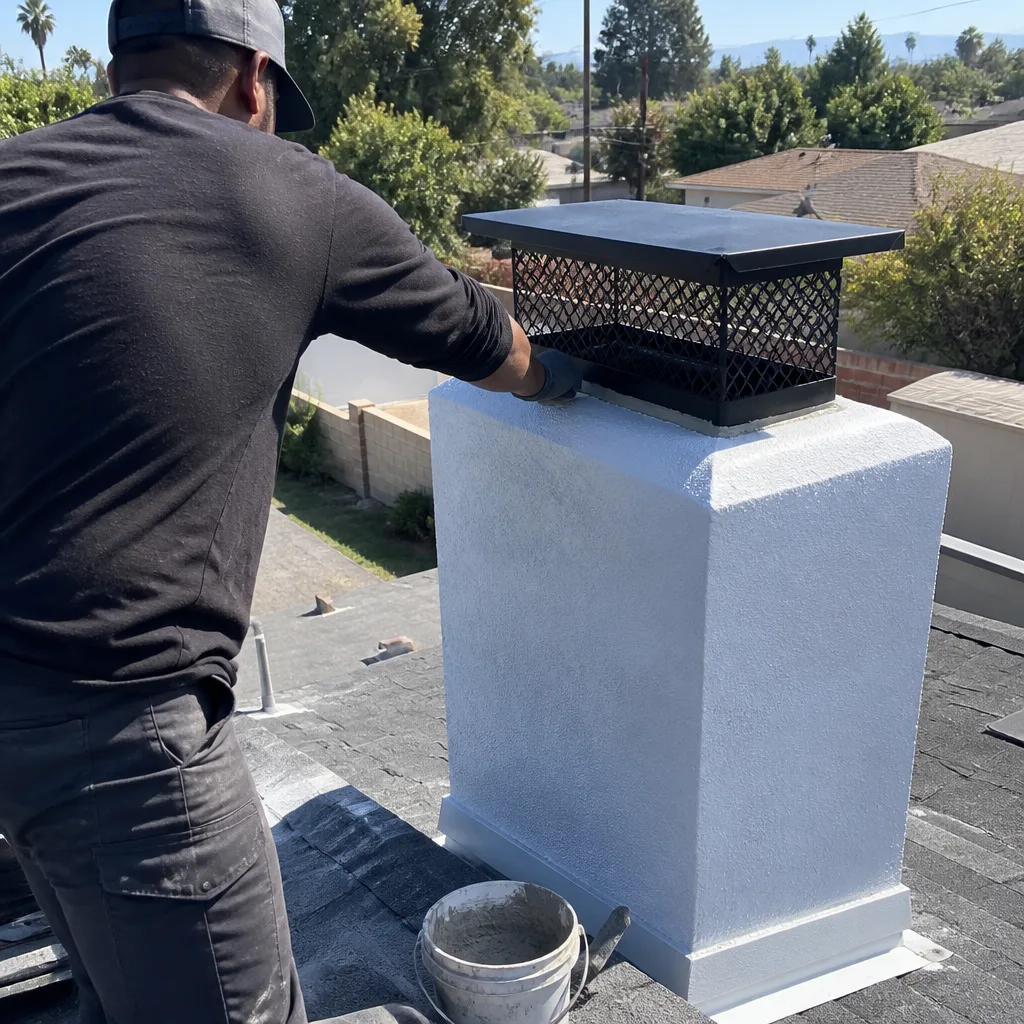
The chimney crown is the concrete slab that caps the masonry at the top of the chimney. Its one job is to shed water. Pomona’s summer heat pushes the crown through daily expansion and contraction cycles, and after enough years, hairline cracks appear. Those cracks widen with each season, eventually letting water into the masonry itself. If the crown was originally built flush with the brick edge, it’s also channeling water directly into the wall, a common flaw in older Pomona homes. Crown repair means filling cracks or applying a proper waterproofing layer, but in some cases, a full crown rebuild with a proper overhang is the durable answer. This won’t fix itself without a homeowner-directed repair, because water entry is invisible until it has gone a lot further.
The Triage Framework: Stop, Schedule, or Relax
Not every chimney finding means an emergency, but a few do. Here’s the framework to make that call quickly. It separates the findings that require immediate action from the ones you can plan around.
- Stop using the fireplace immediately. This applies to animal nesting debris, smoke rollout during fires, visible firebox panel cracks wider than a nickel, shiny black glazed creosote, or any carbon monoxide detector activation near the fireplace. These indicate either a fire hazard or a ventilation failure, and each carries real risk if the next fire is lit.
- Schedule a professional inspection within the next two to four weeks. This applies to white efflorescence, rust staining below the cap, lingering smoke smell after cold fires, debris falls that are minor, or crown hairline cracks. The issue is real and will worsen, but the immediate danger is lower. Book the visit before the season shifts, not after.
- Monitor and reassess seasonally. This applies to minor cosmetic signs like light efflorescence without visible spalling, faint tar smell only on the first burn of the year, or slight cold-smoke odor that appears once and doesn’t return. If the signal repeats or intensifies, it moves up the list.
The most common mistake we see in Pomona is a homeowner who treats a Stop category symptom as a Monitor category one, and then spends six months rationalizing a problem that has already escalated. If you’re not sure which category applies, err toward a quick professional assessment. A diagnostic visit costs far less than a liner replacement.
Common Mistakes to Avoid
- Burning a fire to “burn off” the smell. If the smell is creosote buildup, a hot fire will bake it further and increase the fire hazard rather than remove it. The flue needs mechanical cleaning, not another burn cycle.
- Treating the smoke smell as a house problem instead of a chimney problem. Smoke odor that appears in rooms far from the fireplace is often traveling through wall cavities from a liner breach. Calling an HVAC tech or air-duct cleaner won’t find it; you need the flue inspected.
- Letting spring pass because the fireplace won’t be used until winter. The summer is when Pomona’s dry heat accelerates crown cracking and masonry damage. Waiting until the first cold snap to assess the chimney means competing with everyone else for the same appointment windows.
- Assuming a chimney cap is optional. An uncapped flue admits rain, animals, and wind-driven debris. Every animal nest we remove from a Pomona chimney traces back to a missing or damaged cap.
- Ignoring a chimney leak because “the ceiling isn’t wet.” Water often travels along the flue and exits at the firebox or chimney base, never touching the ceiling. By the time you see a ceiling stain, the water has been inside the masonry for months or years.
- Trying to assess the flue visually from inside the firebox only. Most liners fail in the middle or upper third of the flue, which is impossible to see without a camera. A firebox that looks fine doesn’t mean the flue is fine.
- Replacing the liner without addressing the water problem first. If a cracked crown or failing cap goes unfixed, a new liner will eventually face the same water damage. Diagnostics matter before repairs.
When to Call a Professional
Call for a professional assessment any time you see smoke where it shouldn’t be, smell a persistent odor you can’t explain, or spot visible masonry or cap damage on the exterior. Also call if you’ve just moved into a Pomona home and have no record of the last chimney inspection. If the home has a wood-burning fireplace, the previous owners may have used it heavily and hidden problems well enough to pass a visual home inspection. Lantern Chimney Sweep offers free estimates in Pomona. Call (855) 341-8132 and we’ll schedule a diagnostic visit, inspect the full flue path, and tell you what we found with the camera footage to prove it. If the work can wait safely, we’ll say so plainly.
Frequently Asked Questions
A standard chimney sweeping in Pomona typically costs $169 to $320 depending on the flue’s condition, the level of creosote buildup, and whether the chimney has not been serviced in recent years. Heavily glazed creosote or animal nesting adds labor time. Call (855) 341-8132 for an exact quote; estimates are free and no work happens without your approval.
Not every cracked liner needs full replacement. In eligible cases, HeatShield ceramic resurfacing restores liner integrity without the cost and disruption of full relining. Where the liner damage has advanced too far, a DuraFlex flexible liner system is the professional-grade replacement standard. Lantern Chimney Sweep works exclusively with these trade-standard materials, and the camera inspection tells you which path applies to your flue. If you’re evaluating providers, our Choosing the Right Chimney Cleaning Brand: A Buyer’s Guide for Pomona explains what to look for. The recommendation comes with footage you can watch yourself.
The National Fire Protection Association recommends a sweep and inspection any time creosote reaches 1/8 inch of buildup, or at least once per burning season. Homes in Pomona that burn exclusively hardwoods with properly seasoned firewood may go two seasons between cleanings if the flue stays clean. Homes burning pine, manufactured logs, or unseasoned wood should expect to need annual service. If you’re using the fireplace more than a few times per month, the default answer is once a year.
Creosote keeps accumulating and eventually reaches the stage where it becomes fuel for a chimney fire. That fire can crack the liner, damage the masonry, and spread to the home’s structural framing. Water entry through a damaged crown or cap quietly erodes the flue while you’re not looking. And carbon monoxide from a partially blocked flue doesn’t smell and doesn’t announce itself until the alarm goes off. The sequence of neglect is predictable: minor cleaning becomes repair, and repair becomes replacement. Lantern Chimney Sweep has walked Pomona homeowners through each stage of that progression.
The warm outdoor air in Pomona’s summer pushes down the flue due to natural drafting reversal, carrying old soot and creosote smell into the house. A missing or poorly sealed damper makes it worse, as does high indoor humidity. The persistent fix is a top-sealing damper or a properly fitted chimney cap, plus a mechanical sweep to remove the stored odor source. Call (855) 341-8132 and we’ll diagnose exactly which factor applies to your chimney.
You can remove loose debris from the firebox with a shovel and a brush, but cleaning the flue itself requires professional equipment and access. Improper brushing on a damaged liner can make cracks worse. Creosote glazing often resists consumer-grade tools entirely. The cost difference between a professional sweep and an ineffective DIY attempt is small compared to the cost of a chimney fire or carbon monoxide incident. Call (855) 341-8132 to schedule a professional sweep that includes a full safety inspection.
The Bottom Line
Chimney warning signs in Pomona homes are usually quiet signals that build slowly: a smell you can’t quite place, a stain you didn’t notice before, a fire that doesn’t burn like it used to. Each one maps to a specific mechanical cause, and each cause has a clear fix when caught early. The triage framework is your decision tool: stop burning when the sign is an immediate fire or carbon monoxide hazard, schedule when the signal is developing, and monitor only the truly minor cosmetic items. When the assessment matters, a camera inspection removes the guesswork. Sweep. Assess. Repair. That’s the sequence, and it starts with one call. For more guides & resources on chimney care, explore our blog.
Written by the team at Lantern Chimney Sweep, serving Pomona since 2013.
See the difference
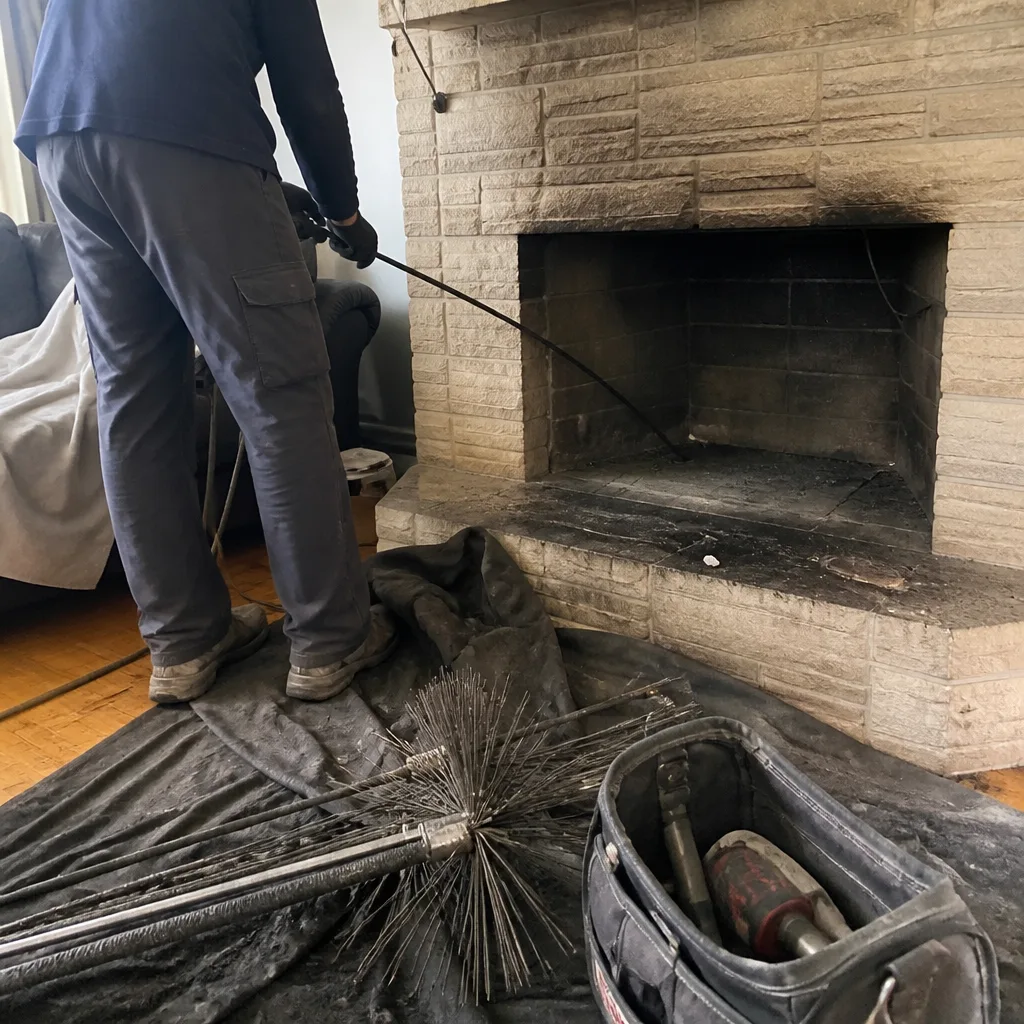 Before
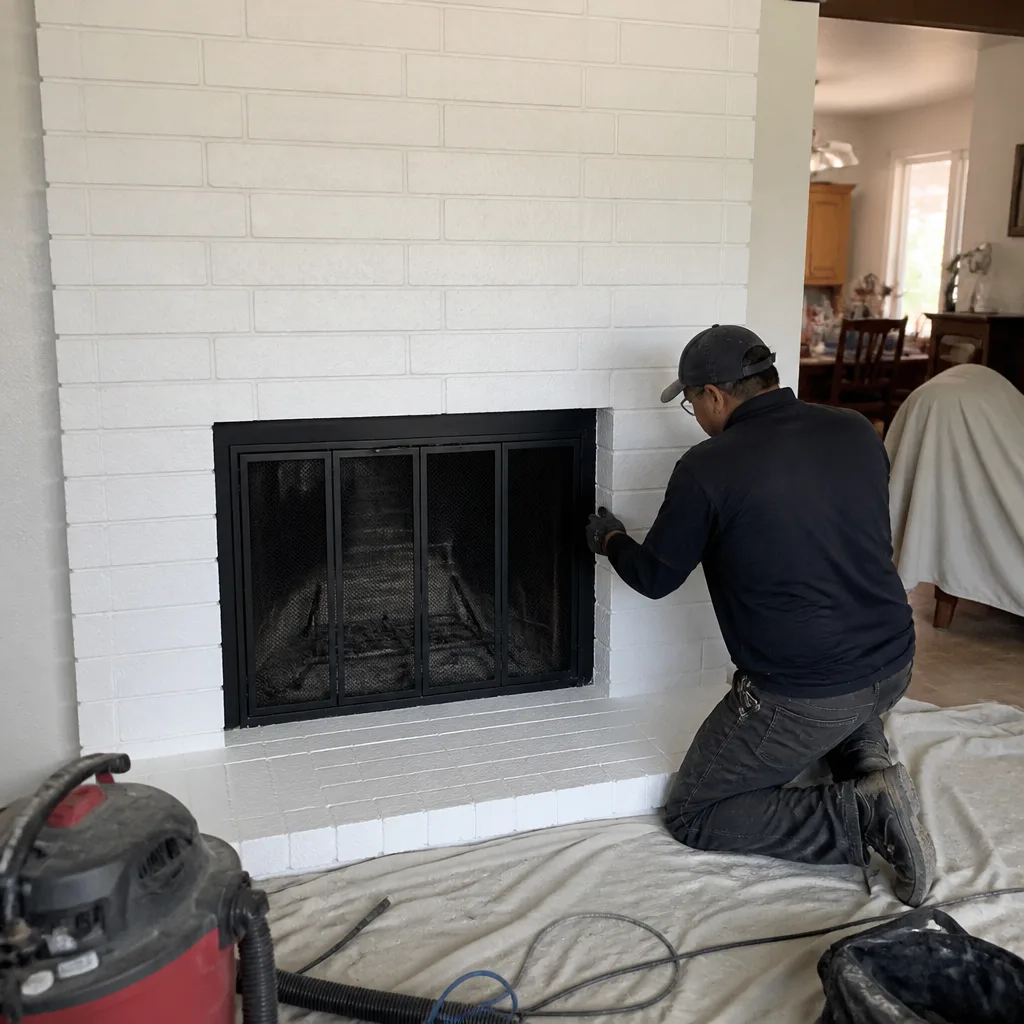 After
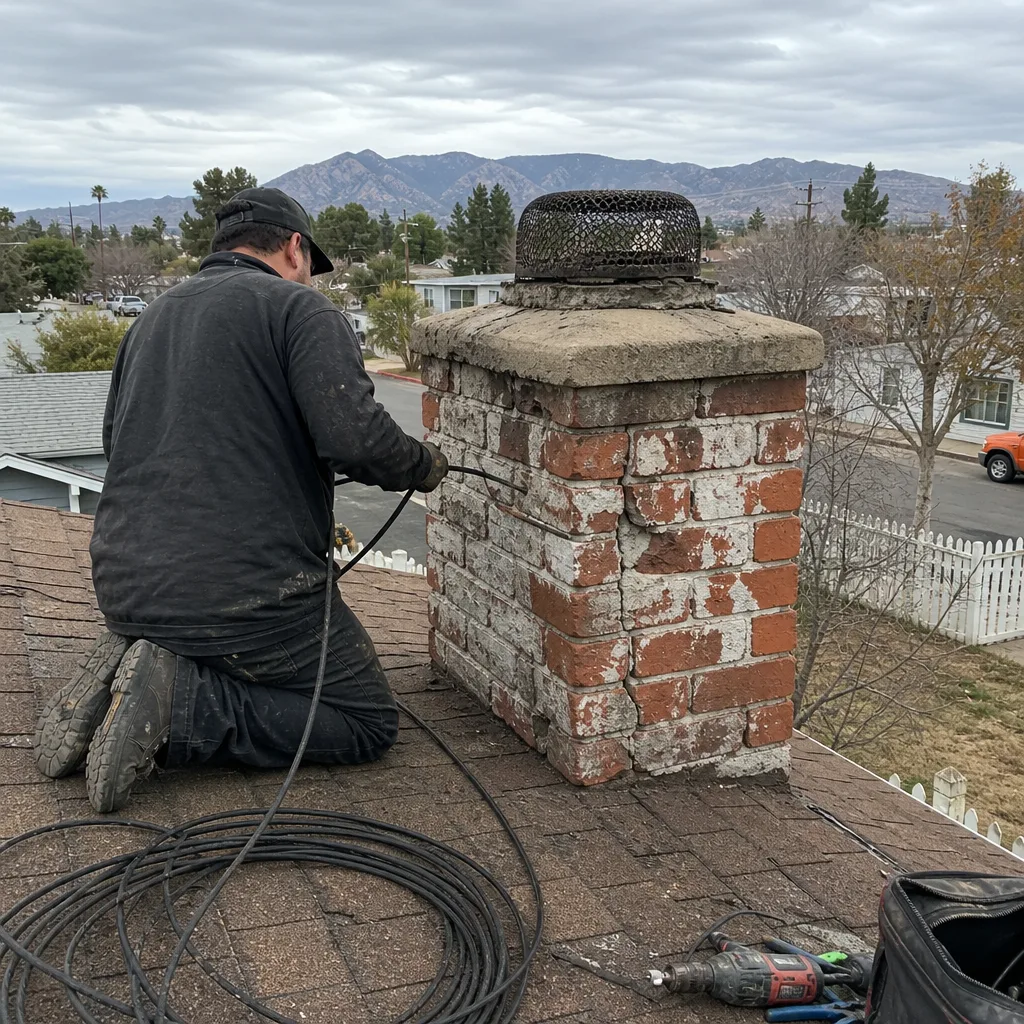 Before
 After
 Before
 After