
Last updated October 30, 2026
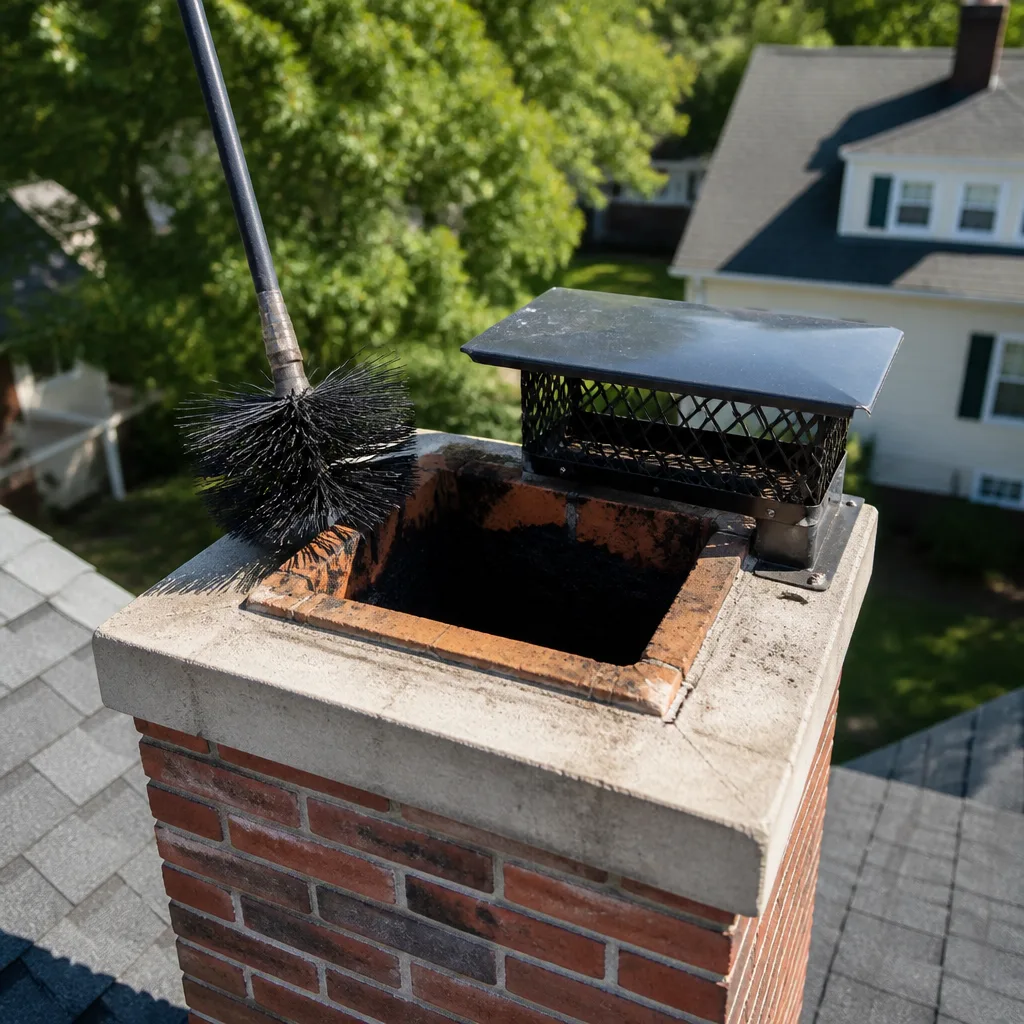 Sweep & inspection
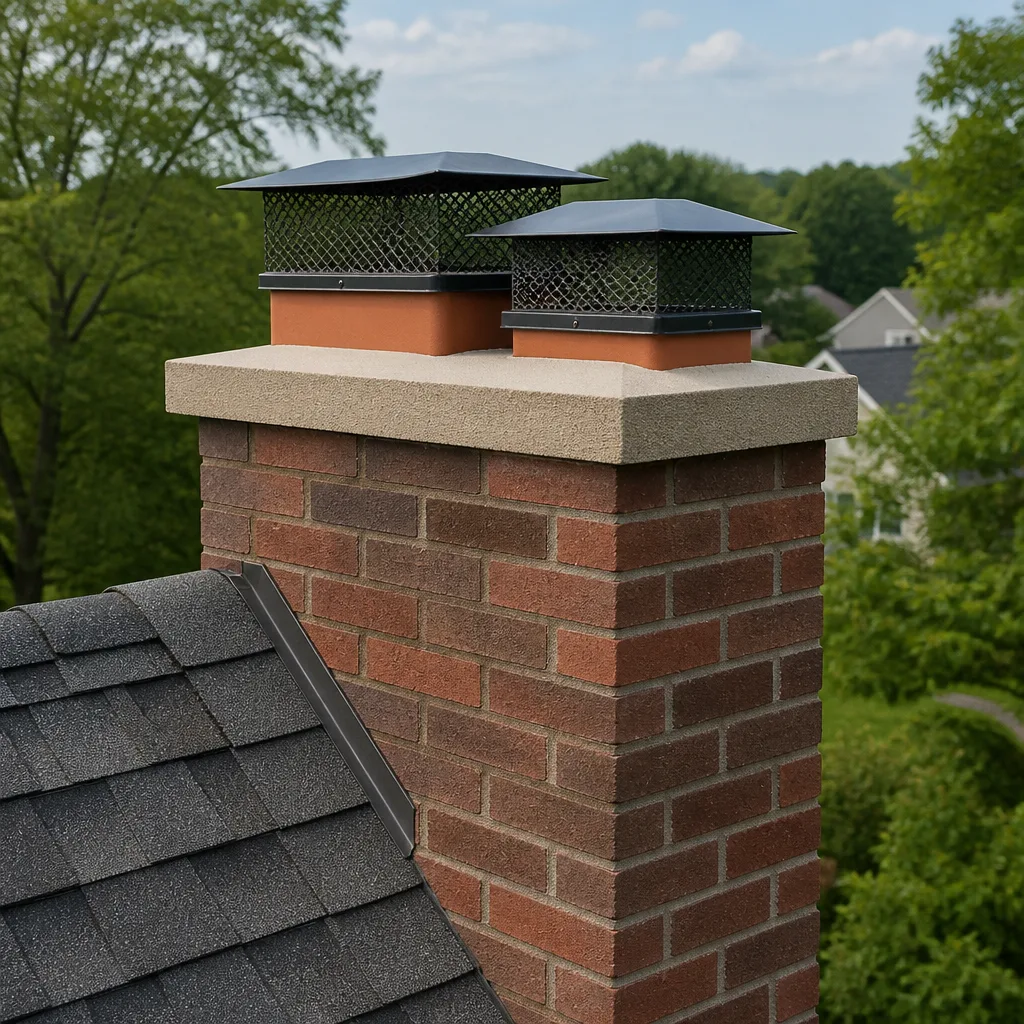 Caps & crowns
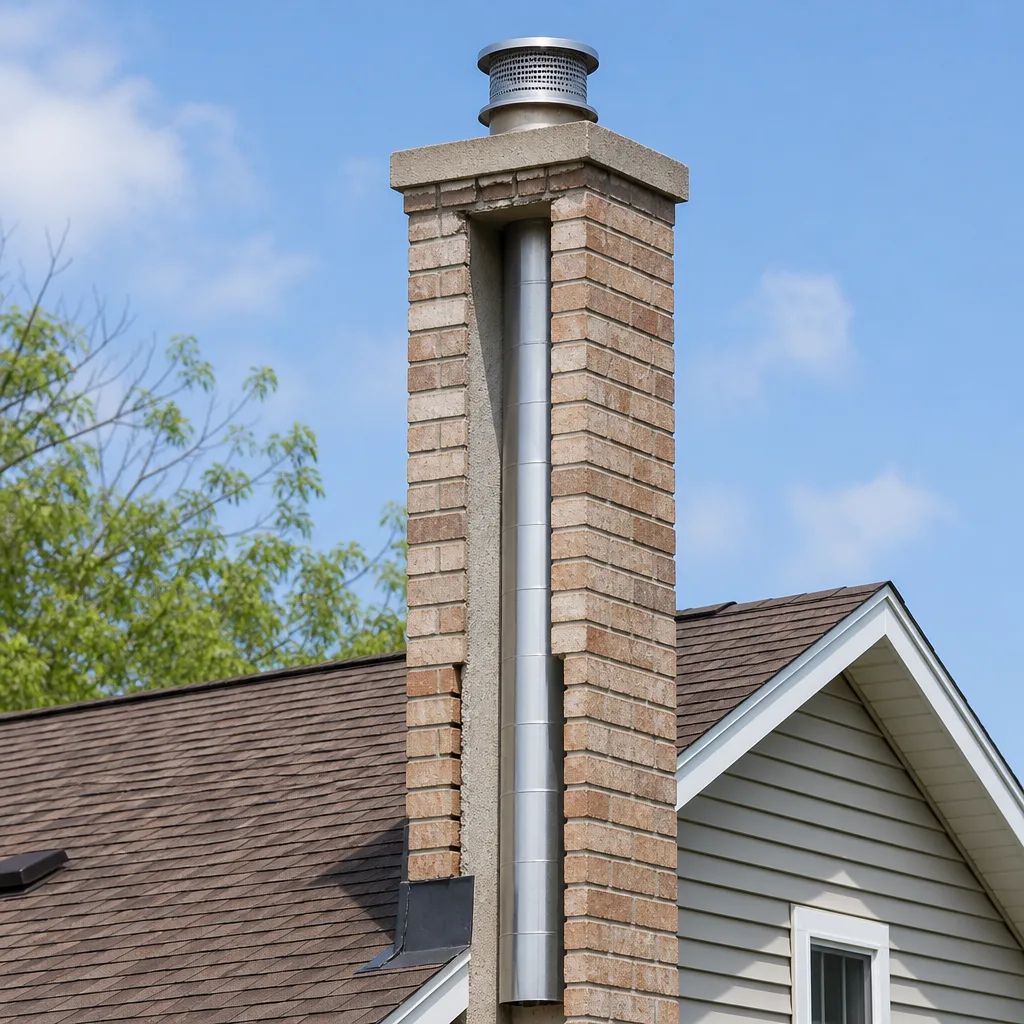 Flue relining
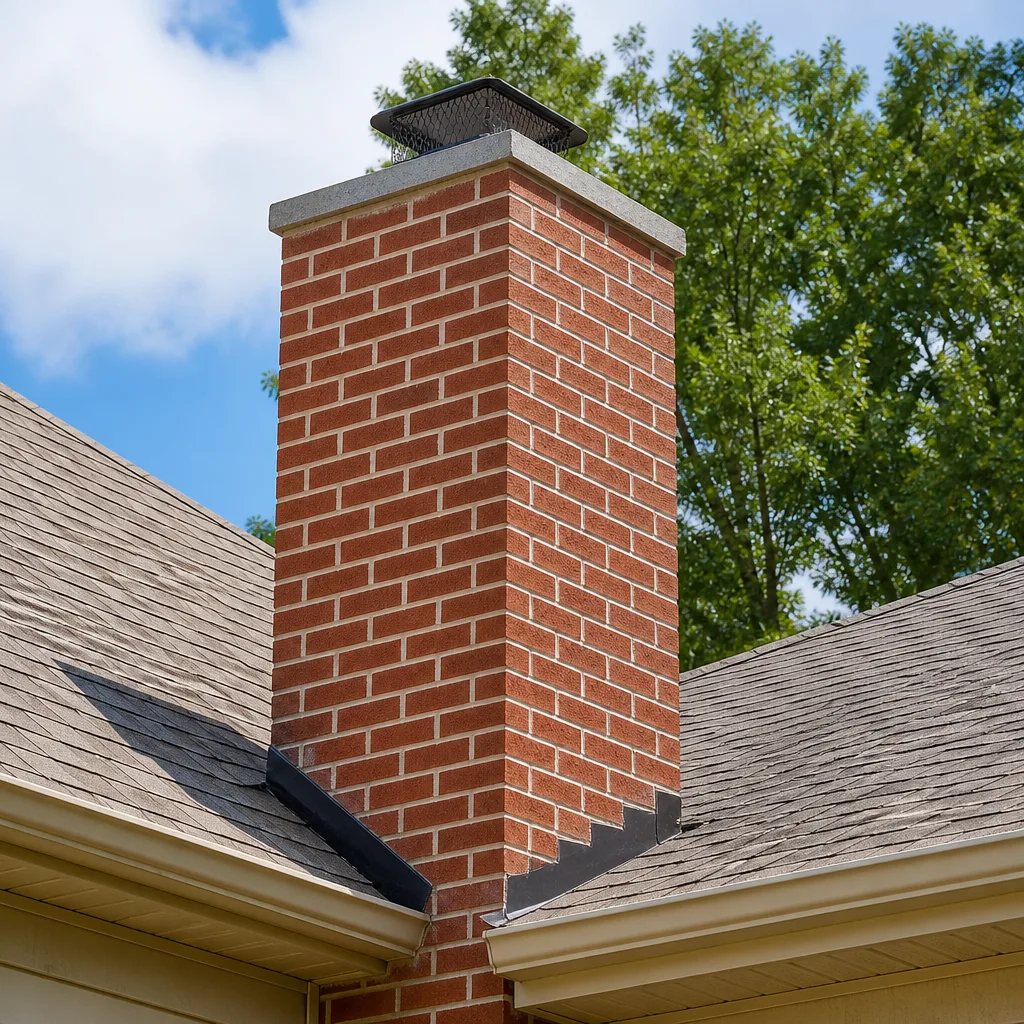 Masonry repair
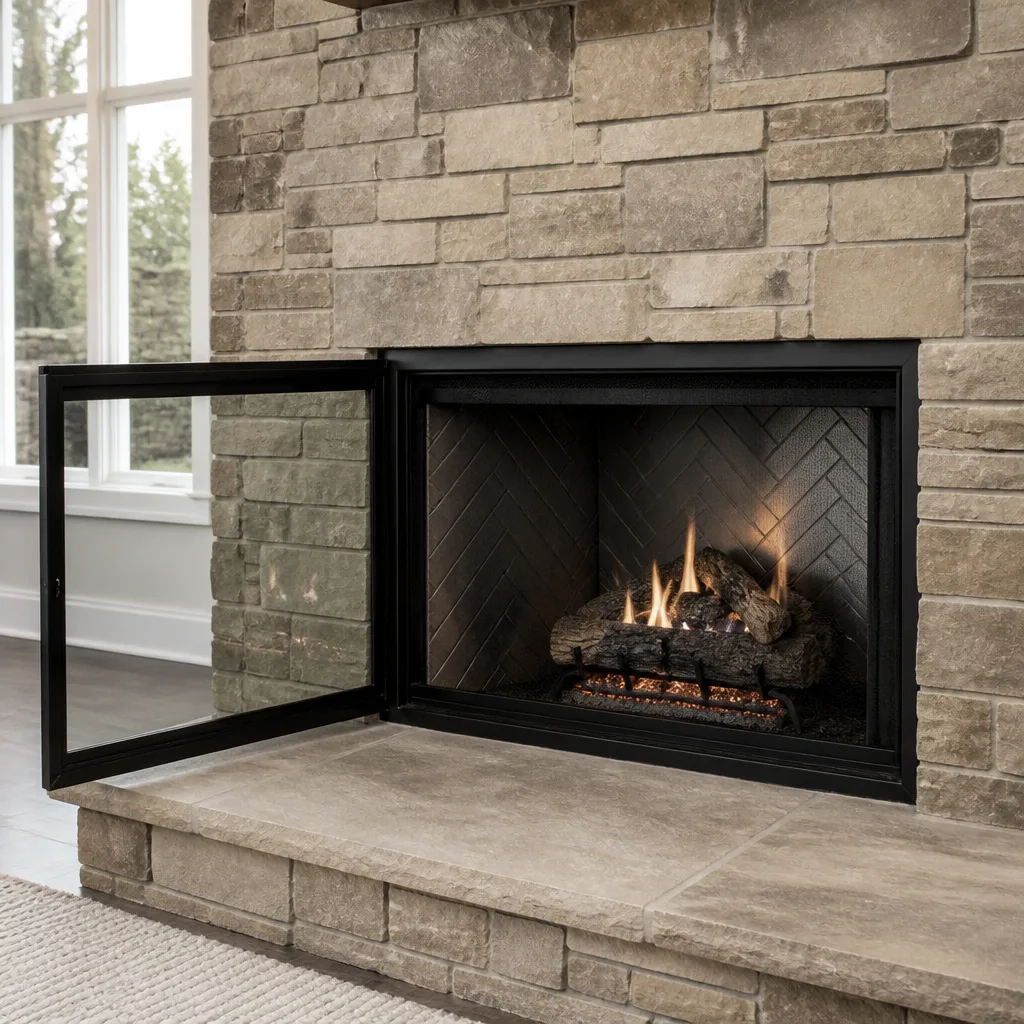 Gas fireplace service
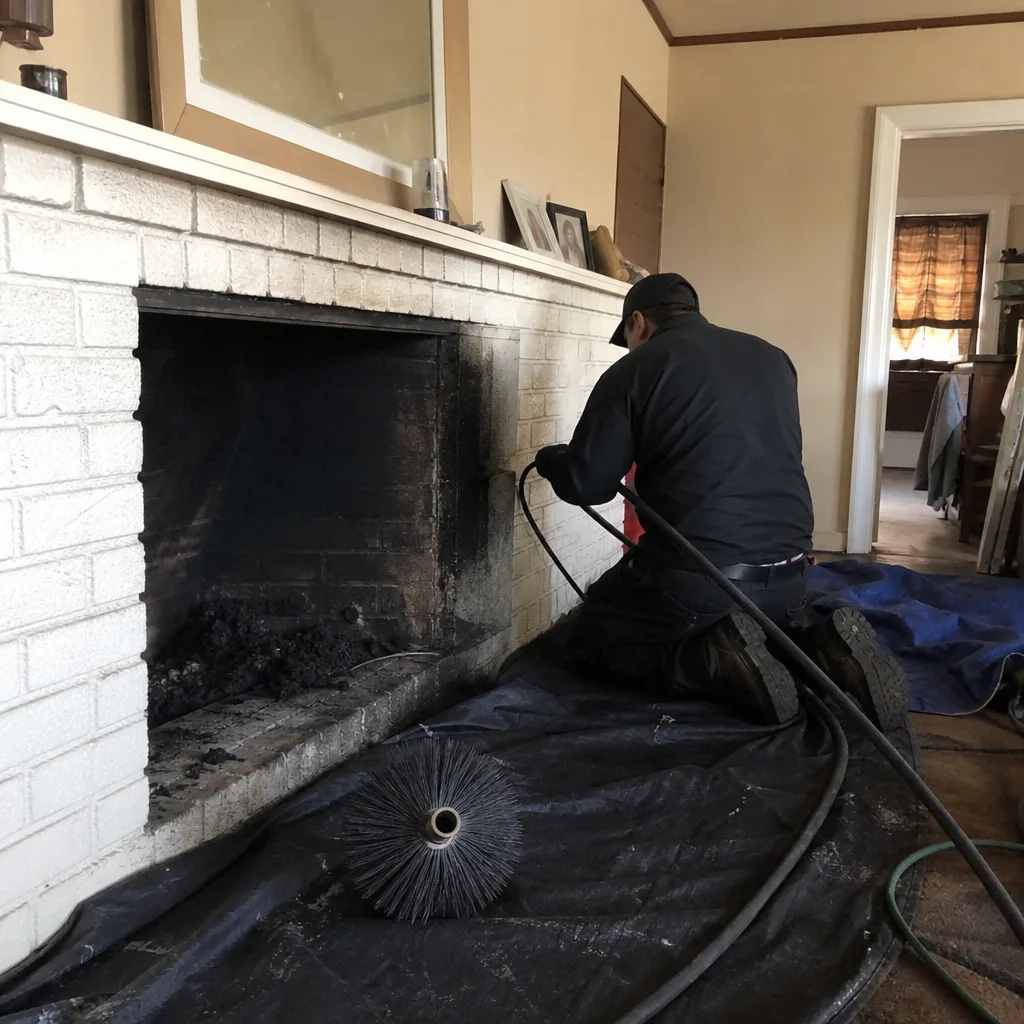
Level 1 sweep and inspection to the NFPA 211 annual standard - flue, crown, cap, and flashing checked and photographed
Chimney sweep logs do not sweep chimneys. They loosen some creosote - which then falls where a brush and vacuum still have to collect it.
Chimney Sweep Maintenance Checklist for Pomona Homeowners
Most homeowners assume chimney maintenance means one thing: calling a sweep once a year. That’s the baseline, but it misses the more useful habit, the one that catches problems before they turn into four-figure repairs or worse. The most actionable chimney maintenance step costs nothing and takes about 90 seconds. Stand at your firebox opening before the first fire of the season and do a slow visual and smell check. What you’re looking for, and what each finding actually means, is rarely explained anywhere. This guide gives Pomona homeowners a working checklist tied to what you can see, smell, and test from inside your home, between professional visits.
Styles & brands we work with
Quick Answer
A working chimney maintenance checklist for Pomona homeowners includes a pre-season visual and smell check at the firebox, damper and smoke chamber inspection, a simple draft test, hearth clearance review, plus exterior checks for crown cracks, mortar erosion, and cap damage after Santa Ana wind events or rare heavy rain. Done consistently, these checks reveal small changes early, which is when repairs are cheapest and flues are safest.
Table of Contents
- Interior Checks: What to Look for at the Firebox, Damper, and Smoke Chamber
- The Hearth Extension: Clearance and the Fire You Can’t See
- Exterior Checks: Mortar Joints, Crowns, and Caps in Pomona’s Climate
- Seasonal Trigger Points: Santa Anas, Summer Heat, and When to Re-Check
- The Draft Test: Confirming Your Flue Draws Before You Light
- What to Record: A Maintenance Log Your Sweep Can Actually Use
- The Dryer Vent Connection: One Visit, Two Fire Hazards
- Common Mistakes to Avoid
- When to Call a Professional
- Frequently Asked Questions
- The Bottom Line
Interior Checks: What to Look for at the Firebox, Damper, and Smoke Chamber
Open the damper fully and shine a flashlight up into the flue. Let your eyes adjust for thirty seconds before you judge what you’re seeing. This is not a replacement for a professional chimney sweep in Pomona, but it tells you whether conditions have changed since last season. A thin, even coating of dark brown or black soot is normal. Here’s what is not normal and what each finding suggests:
- Shiny, tar-like glaze on the flue walls. This is creosote in its most dangerous stage. It’s highly flammable, it’s dense, and it does not brush off with a standard sweep. It requires a more involved removal process. If you see a glossy, dark, hardened surface, do not build a fire until a professional has assessed it.
- Flaking or bubbling tile surface. Clay flue tiles spall when they’ve been through repeated heating and cooling cycles, especially combined with moisture. Spalled tiles can flake off pieces that partially block the flue or sit on the smoke shelf, interrupting draft. In Pomona, the dry summer heat followed by cooler winter nights accelerates this thermal cycling.
- White, crusty deposits on the interior masonry. This is often efflorescence, salt migration, or leftover moisture staining. In Pomona, rare winter rains can push moisture through a cracked crown, and that moisture carries mineral salts which crystallize as the flue dries. White staining inside a flue suggests moisture ingress, and moisture inside a flue shortens the life of every component.
- Debris at the smoke shelf or firebox floor. Leaves, twigs, nesting material, or pieces of flue tile. A missing or damaged chimney cap is the usual culprit. If you’re finding debris consistently, the cap is not doing its job.
- Smell. A properly functioning flue should not smell strongly of old fire when the damper is open and the air is moving. A strong, musty, or acrid odor, especially on humid days or right after a rain, often means creosote buildup combined with moisture, or a liner problem. The smell is the chimney telling you something changed.
Run your hand along the interior of the firebox, not just the floor. Check the mortar joints between the firebrick. If you can slide a nickel into a mortar joint that should be tight, or if crumbled mortar gathers on the firebox floor after a season of use, that joint has failed and heat is reaching places it should not. The firebox is designed to contain heat. Failing joints defeat that design gradually, and the damage shows up later in the surrounding masonry, often as cracking on the interior wall face above the fireplace.
The damper deserves its own thirty seconds. Open and close it fully. Does it move freely? Does it seal when closed? A damper that doesn’t seal wastes conditioned air all summer and lets humid air into the flue. In Pomona, where summer temperatures routinely reach the high 90s, a leaky damper means your air conditioning works harder from June through August. That’s a measurable cost on your electric bill.
Then look up at the smoke chamber, the sloped area above the firebox that narrows into the flue. Use your flashlight. What you want to see is a clean, continuous surface without gaps. If you see gaps between stonework or a rough, pitted surface, creosote collects there and, in rare cases, heat can reach combustible framing. This area is often overlooked by homeowners because it’s hard to see from a standing position. Crouch down and look up. It’s worth the effort. In our experience, a significant share of the repair needs we find on Pomona homes involve smoke chamber deterioration that homeowners could have flagged early with a simple flashlight check. The sweep seeing it once a year catches it. You catching it in the first week of November gets it fixed before the holidays.
The Hearth Extension: Clearance and the Fire You Can’t See
Walk to the front edge of your hearth and look down. The hearth extension, the flat floor in front of the firebox, exists to catch sparks and embers and keep them off combustible flooring. Most Pomona homes built before the 1990s have masonry hearth extensions of brick or tile. Newer homes sometimes use prefabricated units with factory-specific requirements.
The check is simple: clear the room and measure. A masonry fireplace with an opening larger than six square feet needs a hearth extension that extends at least 20 inches in front of the firebox and 12 inches to each side. For smaller openings, at least 16 inches in front and 8 inches to each side. If your chimney is factory-built, the manufacturer’s clearance specification is printed on a metal tag inside the firebox or on the chimney pipe, and that number governs. When in doubt, the more conservative number applies.
Here is the part competitors rarely explain: the hearth extension is not just about sparks you can see. The fire you can’t see is heat transfer through the floor assembly. A crack or missing tile on a hearth extension exposes whatever sits beneath it. If that’s wood framing, you have a slow, invisible hazard. Hairline cracks in the hearth extension itself are normal for older masonry. A crack wide enough to fit a business card is not. Missing sections, loose tiles, or separated grout lines mean the hearth is no longer continuous, and a continuous fire-rated surface is the point.
While you’re at it, look at what sits within three feet of the firebox opening when the fireplace is in use. Every year, homeowners in Pomona rearrange furniture for the holidays and end up with a sofa or a basket of kindling closer than it should be. The clearance zone, the zone where no combustible material belongs, is three feet in front and to each side of the opening. It is not measured from the brick. It is measured from the fire itself. A wood log rolling sends embers a lot further than people expect. The firebox grate holds logs, but it does not hold every spark. The hearth extension and the clearance zone work together. Both need to actually exist, not just be inferred from how the room looks.
If you have a gas log set, the same clearance rules apply. A gas flame is controlled, but the heat output is not. Combustible materials placed too close to a gas log set dry out, warp, and in the worst case ignite. Check for scorch marks on mantels, trim, or anything mounted above the fireplace. Scorched wood above a firebox means heat is rising faster than the chimney assembly can handle, or something was placed too close. Both are correctable. Scorch marks also tell you the fireplace has been operated in a way that exceeded its designed clearance envelope, and that is worth knowing before the next fire.
Exterior Checks: Mortar Joints, Crowns, and Caps in Pomona’s Climate
Go outside and stand back far enough to see the entire chimney from top to bottom. You need sunshine at a low angle, morning or late afternoon, because low-angle light casts shadows that reveal what flat light hides. Walk around the house and look at the chimney from at least two sides.
Pomona’s climate is hard on chimneys in a specific way. We get long stretches of hot, dry sunshine punctuated by short rain events. Masonry expands when heated and contracts when cooled. Mortar, the material between the bricks, is slightly softer than the brick itself. Over decades of thermal cycling, the mortar wears out first. You’ll see it as eroded joints, gaps, or crumbled material where brick meets brick. Run your finger along a joint that looks suspicious. If it feels recessed or if sandy grit comes away, that joint is failing. A few failing joints are typical for a chimney that’s been through twenty or more Pomona summers. Widespread joint failure across the entire chimney is a structural warning sign.
Now look at the crown, the flat concrete or mortar surface on top of the chimney that surrounds the flue. Crowns crack from heat cycling, and in Pomona they crack from something else too: the intense dry heat can shrink and cure concrete unevenly. A crack in the crown lets water into the chimney assembly, and once water gets in, the damage compounds. Check for:
- Cracks wider than 1/16 inch. Anything you can see from the ground with the naked eye is worth flagging. If you can see it from the lawn, it’s a real crack.
- Crumbled or spalled crown edges. The corners and edges fail first. If the crown looks rounded instead of crisp, material is already gone.
- Standing water or dark staining on the crown. A crown should slope away from the flue so water sheds off. If it pools, the slope has failed or it was never built right.
- White mineral deposits on the brick below the crown. This is efflorescence, and in Pomona it tends to appear after winter rains. Water entered the chimney, dissolved salts in the masonry, migrated outward, and left the salts behind when it evaporated. Efflorescence is not itself structural damage, but it is direct evidence of water moving through the assembly. When you see it on the chimney exterior, moisture is where it should not be.
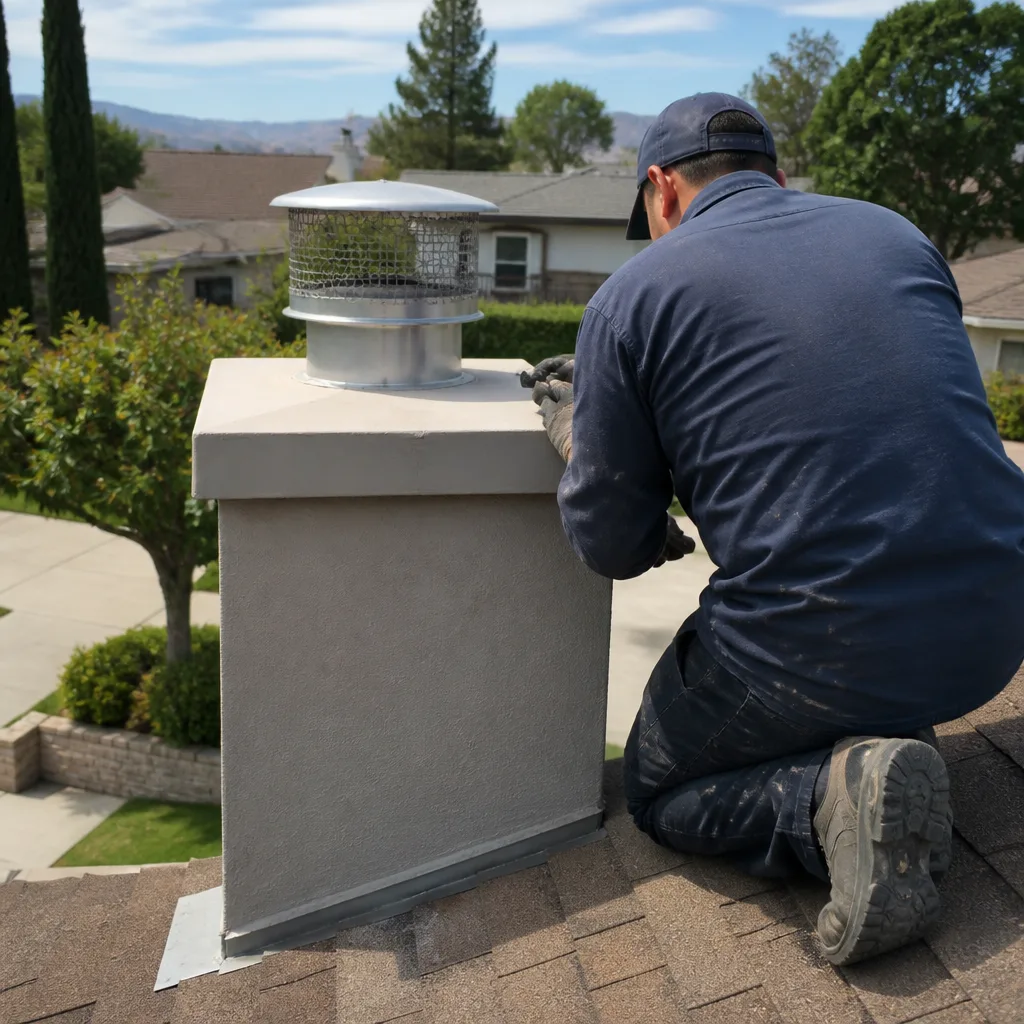
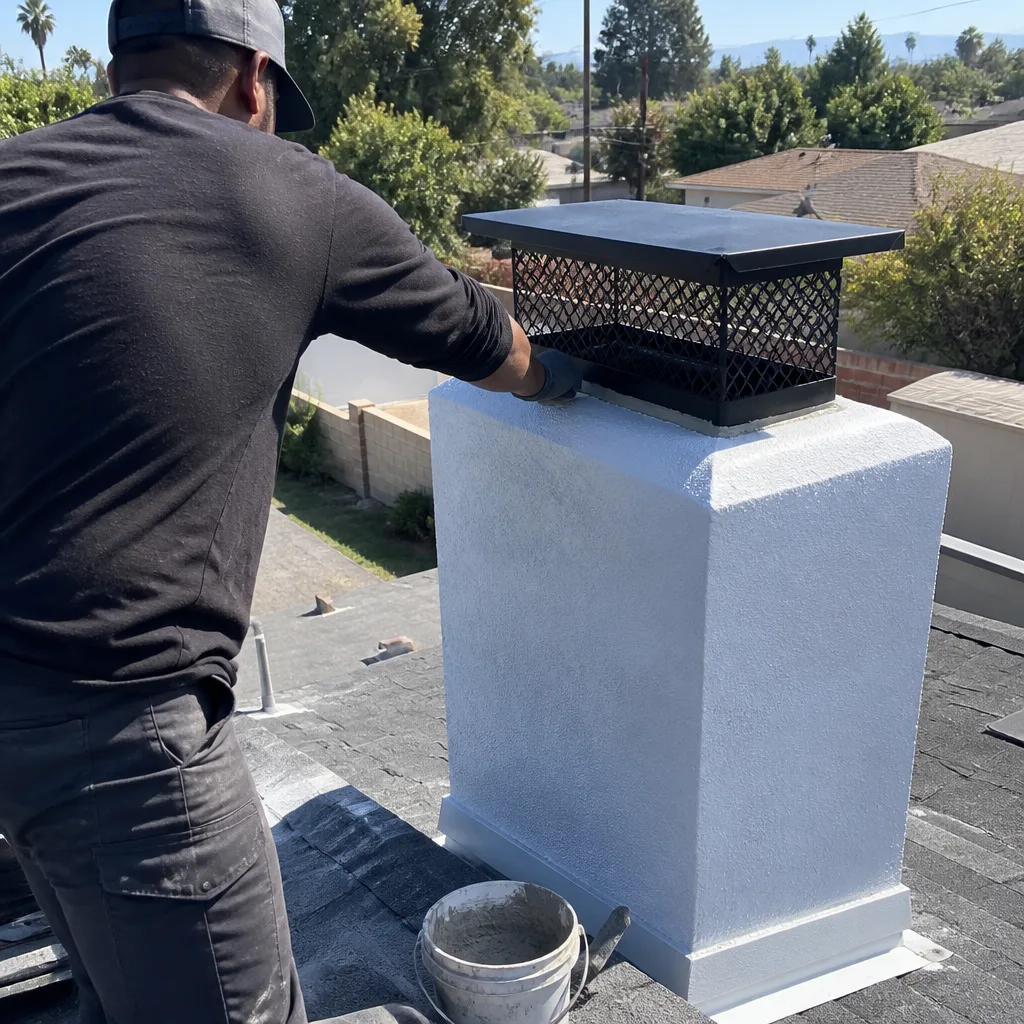
The cap. Look for a cap, and look at what condition it’s in. A missing cap is an open invitation for leaves, birds, and debris. A damaged cap is worse in some ways because it gives a false sense of protection. Look for rust through the cap body, bent or missing mesh screens, and a cap that sits askew. If the cap mesh is torn, small animals get in. If the cap itself is rusted through, rainwater enters directly down the flue, and in Pomona rainwater picks up the creosote inside the flue and deposits it as a corrosive cocktail against the liner and firebox. In our experience with Pomona homes, the most common exterior issue we see in spring is rusted-through caps discovered by water staining around the firebox, discovered months after the rust started. When a cap fails, the damage happens whether or not you’re using the fireplace.
Professional-grade replacement caps from manufacturers like Gelco are built for decades of weather exposure. The difference between a manufacturer-grade cap and a generic hardware-store substitute is real, and it shows up in the mesh, the gauge of steel, and the fastening system. If you replace a cap, specify a brand your sweep can source from professional supply chains, not the rack at a big-box store.
Finally, look for anything growing on or against the chimney. Vines, tree branches within ten feet, and thick ivy all hold moisture against masonry and create pathways for water and insects. Branches rubbing against a chimney in high wind create constant, low-level abrasion that eventually wears through mortar. Santa Ana winds make this worse: a branch that barely touches the chimney on a calm day beats against it during a wind event. Trim anything within ten feet of the chimney. That single maintenance step costs nothing and prevents a slow, expensive wear pattern.
Seasonal Trigger Points: Santa Anas, Summer Heat, and When to Re-Check
Pomona has two chimney maintenance seasons, and they are not the ones most guides describe. Most national checklists say check in fall, before burning season. That’s true, but it’s incomplete. The two Pomona trigger points are the first Santa Ana wind event of autumn and the first real rain event of winter.
After a significant Santa Ana wind event: Santa Anas bring sustained high winds, often exceeding 40 miles per hour with higher gusts, and those winds attack chimneys with debris. Tree limbs, roof tiles, and loose construction material become projectiles. After any significant Santa Ana event, walk outside and check three things: the cap is still seated correctly, the crown did not take an impact, and no debris has accumulated against the chimney base or around the spark arrestor mesh. The check takes five minutes. The repair you’re preventing, if a cracked cap goes unnoticed, is a water damage claim or a chimney fire.
Santa Anas also do something you can’t see. They push fine dust and dry debris into flues through damaged mesh and downshafts. A flue that was clean in October can accumulate enough combustible dust and light debris by December to change the burn profile of the fireplace. If a Santa Ana event was severe enough to knock down branches in your neighborhood, give the flue a flashlight check before the next fire.
After the first real rain event: Rain in Pomona is infrequent, which means when it comes, it does concentrated work. A small crack in a crown that would be a nonissue in a wetter climate becomes a focused water delivery system during Pomona’s burst rains. After any rain event that lasts more than an hour, check the interior of the firebox and the area around the hearth for dampness, staining, or the smell of wet ash. These are immediate signs of water intrusion. Check the chimney exterior for new efflorescence, which often appears within days of a rain event. And check the ceiling near the chimney chase for any sign of staining, which suggests water is entering the building envelope, not just the flue.
Summer heat: Pomona’s prolonged summer heat is an active maintenance stressor, not just a dormant season for the fireplace. High temperatures across multiple consecutive days, especially when nights cool down, create thermal cycle fatigue on crowns and caps. The crown expands in the day and contracts at night, and over the course of a single Pomona summer, that happens dozens of times. Caps made from thin-gauge metal expand and contract too, and the seams where different metals meet are stress points. If your cap was already rusted or weakened, a hot summer is when it fails. The symptom you’ll see is often a cap that looks bent, warped, or cracked at a seam. Check the cap at the end of summer, not just the beginning of winter.
The practical rhythm for a Pomona homeowner is: one thorough inspection before the first burn of the season, one quick exterior check after the first Santa Ana, one quick interior check after the first real rain, and one cap and crown check at the end of summer. That’s four checkpoints a year, totaling less than thirty minutes of your time, and they cover the failure modes that actually occur in this climate.
The Draft Test: Confirming Your Flue Draws Before You Light
Before you build the first fire of the season, confirm the flue actually draws. A chimney that can’t establish draft is not a fireplace, it’s a smoke delivery system into your living room. The test itself is simple and requires no special tools. You need a tissue, a piece of paper, or an incense stick.
- Close all exterior doors and windows in the room with the fireplace. This matters. A tight house changes the draft dynamics. You want to test under the conditions you’ll actually be burning in.
- Open the damper fully. Confirm it’s open by reaching up and feeling the metal plate or looking with a flashlight. If the damper is partially closed, the test tells you nothing.
- Light a piece of tissue or incense and hold it just inside the firebox opening, near the top. Not deep inside, and not outside the opening. Right at the plane of the firebox opening, near where the damper sits.
- Watch the smoke. If the smoke pulls steadily up into the chimney, the flue is drawing. If it wavers, stagnates, or drifts back into the room, the flue is not drawing, at least not under current conditions.
- If the smoke does not draw, try opening a window an inch or two in the same room. Modern Pomona homes are tight, and exhaust appliances like whole-house fans, kitchen vents, and bathroom exhausts can create negative pressure that fights the chimney draft. If opening a window fixes the draw, you have a house pressure issue, not a chimney issue. That’s useful to know before you call a sweep expecting a chimney fault.
- If the smoke still does not draw with a window open, stop. Do not build a fire. A flue that will not draw under normal conditions has a blockage, a serious downdraft problem, or a design issue. All three need professional diagnosis.
In our experience with Pomona homes, the two most common draft test failures are cold flues and negative house pressure. A cold flue holds a column of cold, dense air that resists rising smoke. Preheating the flue by holding a lit piece of rolled newspaper up into the flue for thirty seconds often solves a cold-flue failure. Negative house pressure is the bigger culprit in newer homes and homes with powerful kitchen exhausts. A professional chimney sweep in Pomona can diagnose which condition you’re dealing with and, in many cases, correct it without major work.
Do the draft test every autumn before the first fire, and repeat it any time the fireplace has sat unused for more than a month. The flue tells you its condition through the draft. A flue that drew fine in January and will not draw in March has accumulated enough material or taken in enough debris to change its airflow. Your nose and a tissue find that change before smoke rolls into the house.
What to Record: A Maintenance Log Your Sweep Can Actually Use
The reason most chimney inspections feel like a fresh start every time is that no one keeps a record. A maintenance log changes that. It means your sweep sees trends, not snapshots. In Pomona, where the climate creates slow, cumulative wear, the difference between a one-visit snapshot and a year-over-year record is the difference between catching a failing crown at $300 and a full crown rebuild at $1,200 or more.
Keep a simple notebook or digital note, one page per year. Record:
- The date of every professional sweep and what was found. Creosote thickness, liner condition, any recommendations made, and any work performed. This is the baseline everything else compares against.
- The date and result of every draft test. Whether the flue drew immediately, drew after preheating, or failed. A flue that transitions from easy draw to difficult draw over two seasons is sending a signal. You’ll miss it without a record.
- Every exterior observation. New cracks in the crown, new efflorescence, damaged cap, mortar erosion. Note the date and what you saw. A crack that’s unchanged for two years is different from a crack that widens every winter. Without notes, you can’t tell which you have.
- Every burning season’s usage. Approximately how many fires or how many hours of gas log use. Heavy use changes the sweep interval. Light use extends it. The log tells you which you are.
- Any odor events. The date, the weather conditions, and what the smell was like. A single rain-event smell might be nothing. A recurring acrid smell on humid mornings is a pattern, and patterns diagnose.
- Any water intrusion signs. Staining, damp hearth, wet ash. Water enters through specific paths, and the pattern of when it appears points to the entry point. Notes make that visible.
When you call a chimney repair professional in Pomona, share the log. A technician who sees two years of notes about gradual crown cracking approaches the repair differently than one working from a single visit. The log turns your maintenance from reactive into diagnostic. It’s the single most valuable tool you own, and it costs a notebook.
The Dryer Vent Connection: One Visit, Two Fire Hazards
Your chimney and your dryer vent are the same category of problem: combustion byproduct and hot air need a clean path out of the house, and when that path clogs, the result is a fire hazard. The U.S. Fire Administration identifies dryer vent fires as one of the leading residential fire causes, alongside chimney fires. For a Pomona homeowner who uses a fireplace and runs a clothes dryer, the two hazards are managed the same way: regular cleaning and observation. Dryer vent cleaning in Pomona pairs naturally with a chimney sweep because the visit already addresses the home’s exhaust systems.
The household-level checklist for the dryer vent is shorter than the chimney list: confirm the vent is moving air freely at the exterior termination, look for lint accumulating around the outside vent flap, and verify the flap opens when the dryer runs. Inside, if clothes are taking longer to dry than they did six months ago, the vent is likely partially clogged. A clogged dryer vent forces the dryer to run hotter and longer, which is exactly the condition that ignites lint. The same professional-grade standard that applies to chimney caps applies to dryer vent components. Famco-compatible vent components are the trade-grade standard available through professional supply networks, built for airflow and durability rather than the lowest price point.
The efficiency argument for pairing both services in one visit: a chimney sweep and a dryer vent cleaning together cover the two most common fire hazards in a Pomona home that uses gas or wood heat and does regular laundry. One appointment, two systems verified. It is not a bundling gimmick. It is how a home combustion safety visit should work. When our Lantern Chimney Sweep home team visits a Pomona house, we look at both systems because they fail in related ways, and because the homeowner who thinks about one rarely thinks about the other.
Common Mistakes to Avoid
- Burning the wrong wood in Pomona’s dry climate. Pomona’s air is dry, and wood that hasn’t been seasoned long enough holds internal moisture that produces smoke, creosote, and poor draft. Burn seasoned hardwood only. Green wood creates creosote faster than any other single factor.
- Ignoring the damper when it’s warm outside. A damper left open all summer lets cooled air escape and humid air enter the flue. In Pomona, this is a measurable cost and a moisture source. Close it when the fireplace is cold.
- Assuming a gas log set needs no maintenance. Gas logs produce less creosote than wood, but they produce deposits, and they do nothing to address debris, water intrusion, or liner condition. Have the chimney inspected regardless of what you burn.
- Replacing a missing cap with the cheapest available. A hardware-store cap may fit, but it will not perform like a manufacturer-grade cap from a brand like Gelco. The mesh quality, steel gauge, and mounting system differ. In Pomona’s Santa Ana winds, a poorly mounted cap becomes debris.
- Doing the draft test on a warm afternoon with windows open. That tests nothing. The draft test only matters under the conditions you’ll actually burn in: cool outside air, closed house, chimney cold. Test it the way you’ll use it.
- Treating each sweep as a one-time event. Without a maintenance log, every visit starts from zero. Trends disappear. The sweep can’t tell what’s changed, only what’s present. That’s a missed diagnostic opportunity.
- Neglecting the dryer vent because the chimney is clean. The two hazards are independent. A clean chimney does not clean a dryer vent. Address both, or leave one fire type unmanaged.
When to Call a Professional
Call a sweep when the draft test fails and restarting it doesn’t help, when you see the glossy creosote glaze, when you find spalled flue tiles or recurring debris, when efflorescence keeps returning, when a Santa Ana event visibly damaged your cap or crown, or when you simply can’t remember the last time a professional looked inside the flue. No checklist replaces a trained set of eyes with the right tools, a professional sees what a homeowner’s flashlight cannot. Lantern Chimney Sweep offers free estimates in Pomona, call (855) 341-8132 to schedule. The inspection finds what the checklist missed, and that’s the point of the partnership.
Frequently Asked Questions
A standard chimney sweep in Pomona typically ranges from $180 to $340 depending on the chimney’s condition, height, and accessibility, with repair work priced separately after diagnosis. Call (855) 341-8132 for an exact quote, estimates are free and there is no obligation to proceed.
The National Fire Protection Association recommends annual inspection and sweeping as needed, with the sweep interval based on usage rather than calendar alone. A chimney that sees three fires a week all winter needs more frequent attention than one used monthly. Your maintenance log answers this question precisely over time.
Only if the existing liner has spalled tiles, cracks, gaps, or significant moisture damage, and even then, not every liner needs full replacement. A ceramic resurfacing system like HeatShield can restore flue integrity without full relining in eligible cases. The answer depends on what a camera inspection actually shows, and you should see the footage yourself before approving any liner work.
The flue accumulates creosote, which is combustible, and moisture enters through undetected crown cracks or cap damage, which accelerates liner and masonry deterioration. The result is an increased fire risk and a more expensive repair when maintenance eventually happens. A chimney that fails a draft test is also a daily air quality issue, not just a fire risk.
A homeowner can perform the visual checks and draft tests described in this guide, but professional sweeping requires tools, access equipment, and training that most homeowners don’t have, and climbing onto a roof carries serious fall risk. In Pomona’s Santa Ana winds, roof work becomes actively dangerous. The safest approach is to do the between-visit checks yourself and leave the actual sweeping to a trained professional.
Pomona follows California state building codes, which incorporate national standards for chimney construction and clearances, and any structural repair or relining must meet current code. A professional chimney company working in Pomona handles code compliance as part of the repair scope. Permit requirements vary by the type of work, and a reputable sweep will tell you when one applies.
Call (855) 341-8132 to schedule an inspection, ask about any of the conditions described in this guide, or get a free estimate for sweeping, repair, or dryer vent cleaning in Pomona.
The Bottom Line
A chimney maintenance checklist works when it’s built around what you can actually observe: what the flue smells like before the first fire, what the mortar joints look like at a low angle of sunlight, what the draft test says about airflow, and what changes between one season and the next. Keep the log. Do the four seasonal checkpoints for Pomona’s Santa Anas, winter rains, and summer heat. Call a chimney sweep in Pomona when something changes, because the checklist’s real value is that it tells you when change has occurred. Specific materials matter, professional-grade caps, liners, and sweeps perform differently than substitutes. (855) 341-8132 is the number to call when the checklist finds something worth a second look.
Written by the team at Lantern Chimney Sweep, serving Pomona since 2013.
See the difference
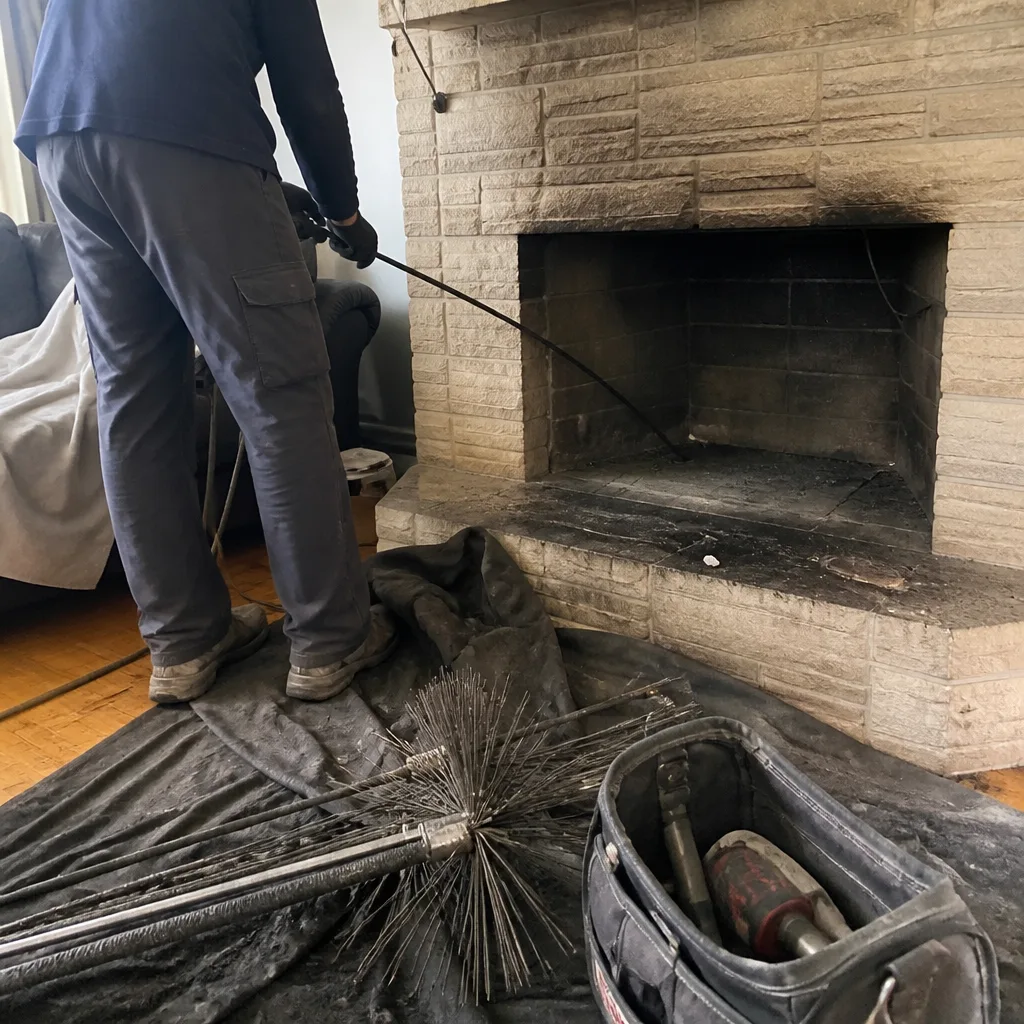 Before
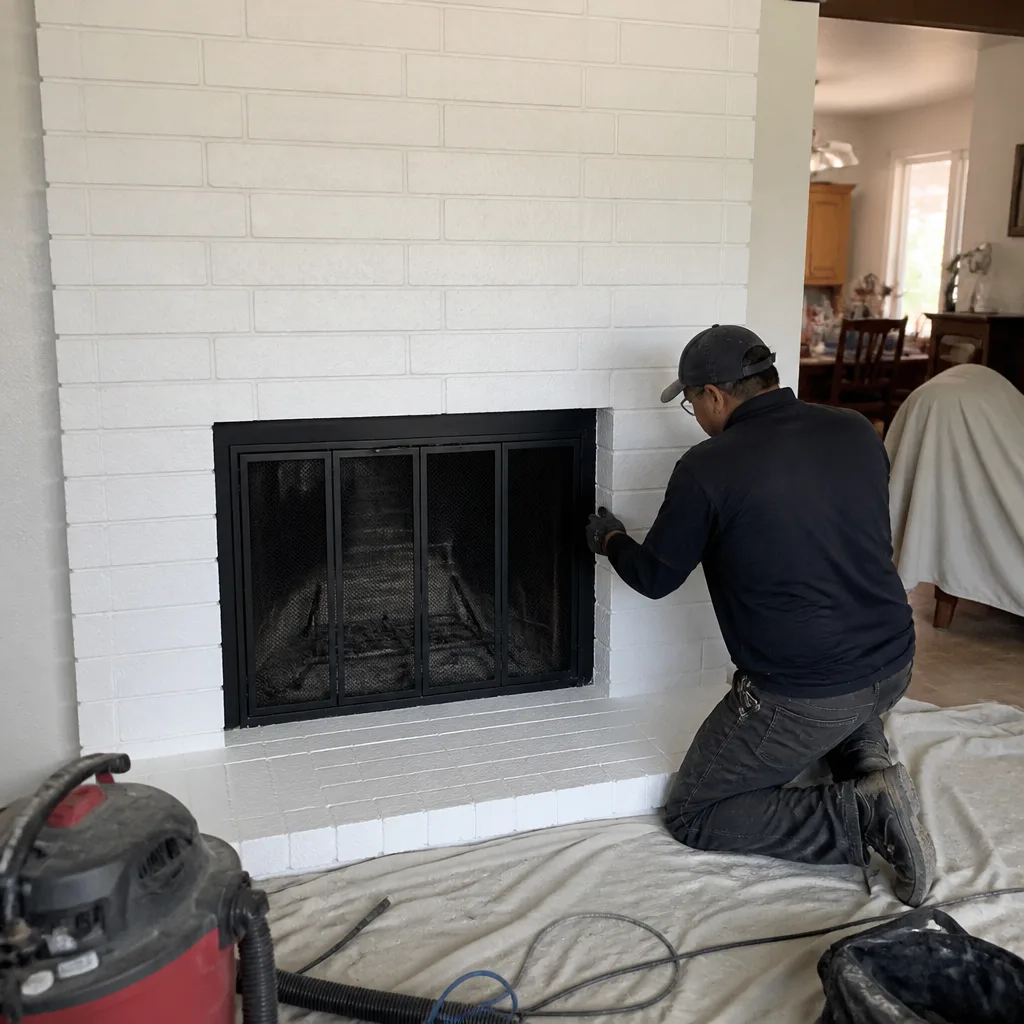 After
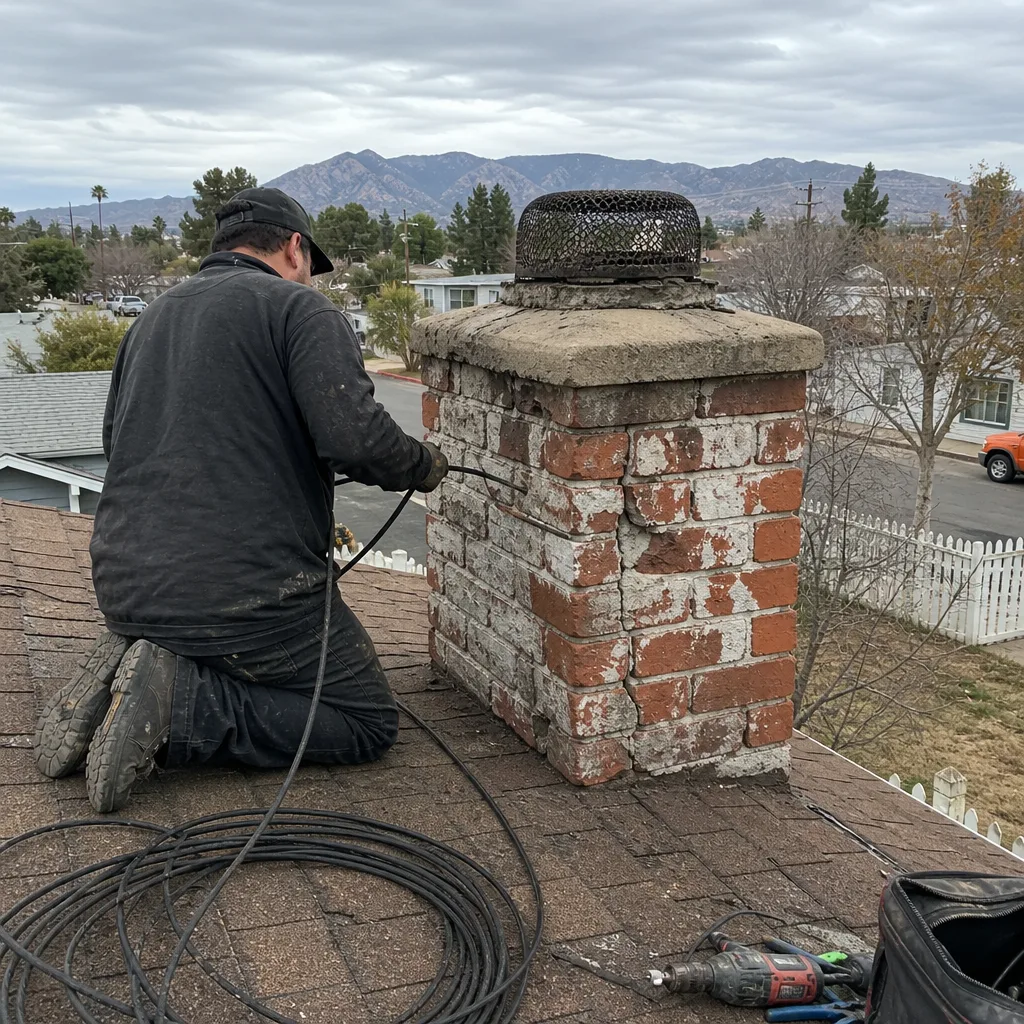 Before
 After
 Before
 After