
Last updated October 30, 2026
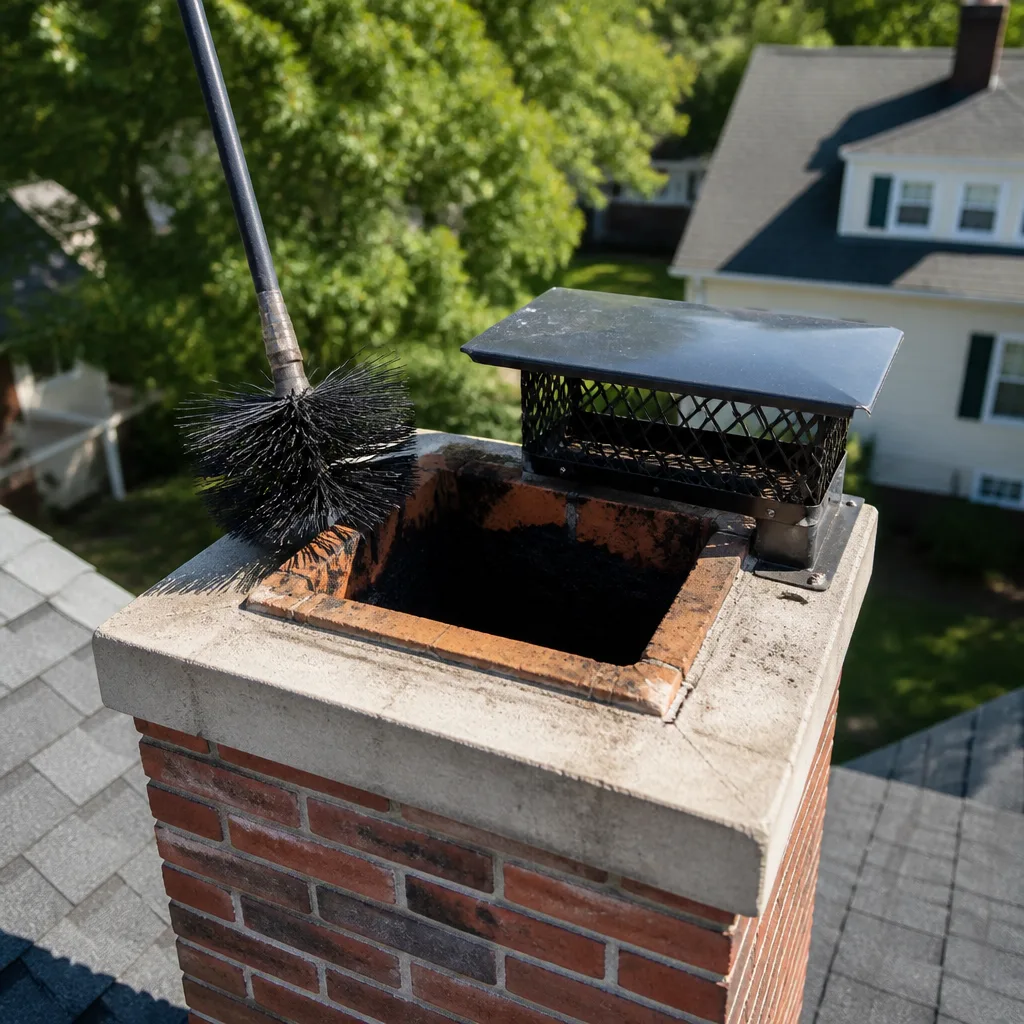 Sweep & inspection
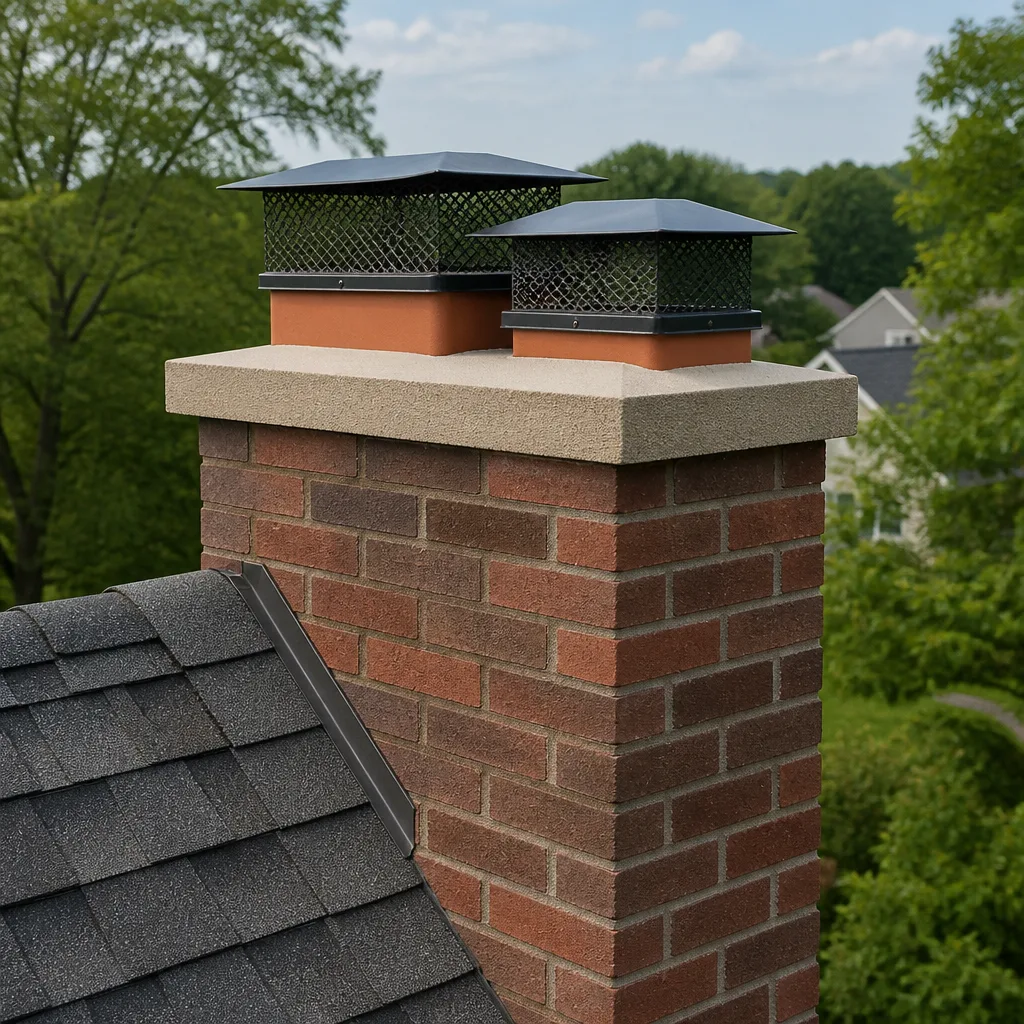 Caps & crowns
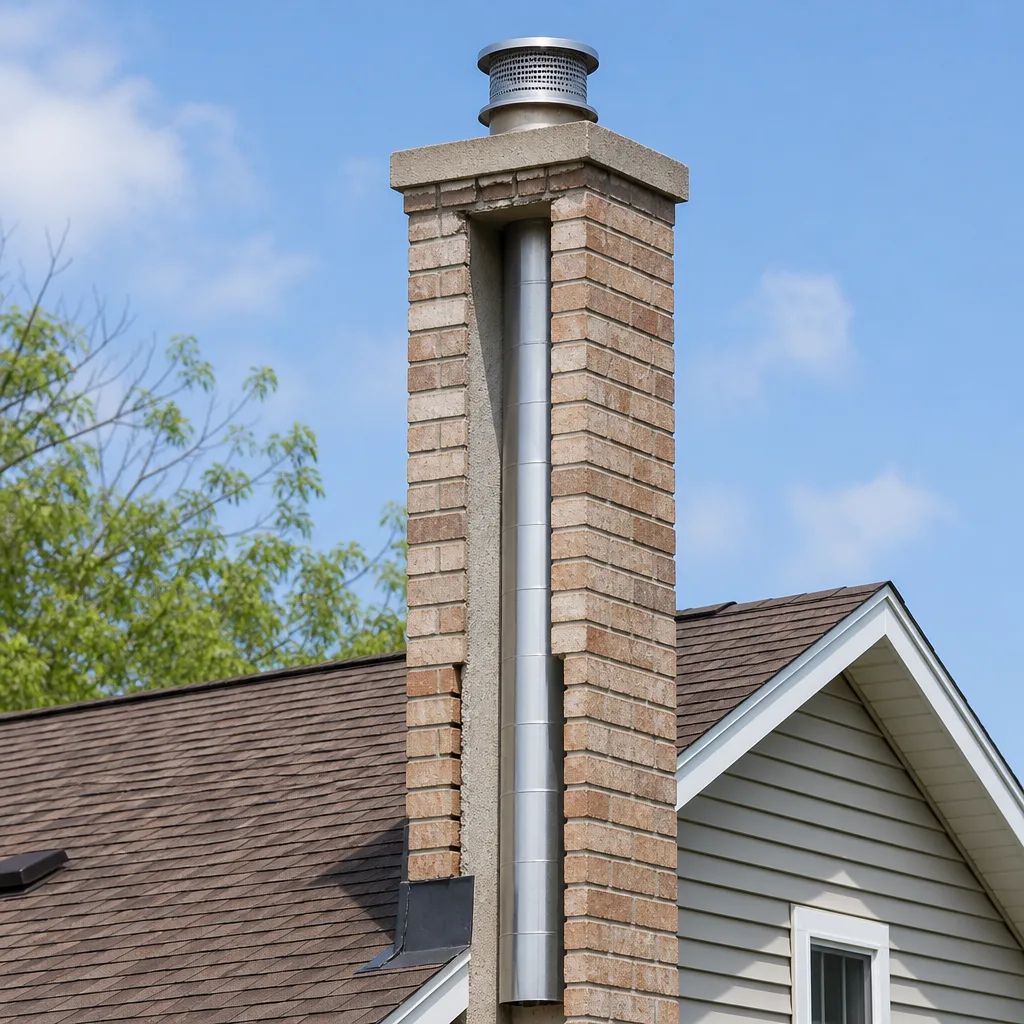 Flue relining
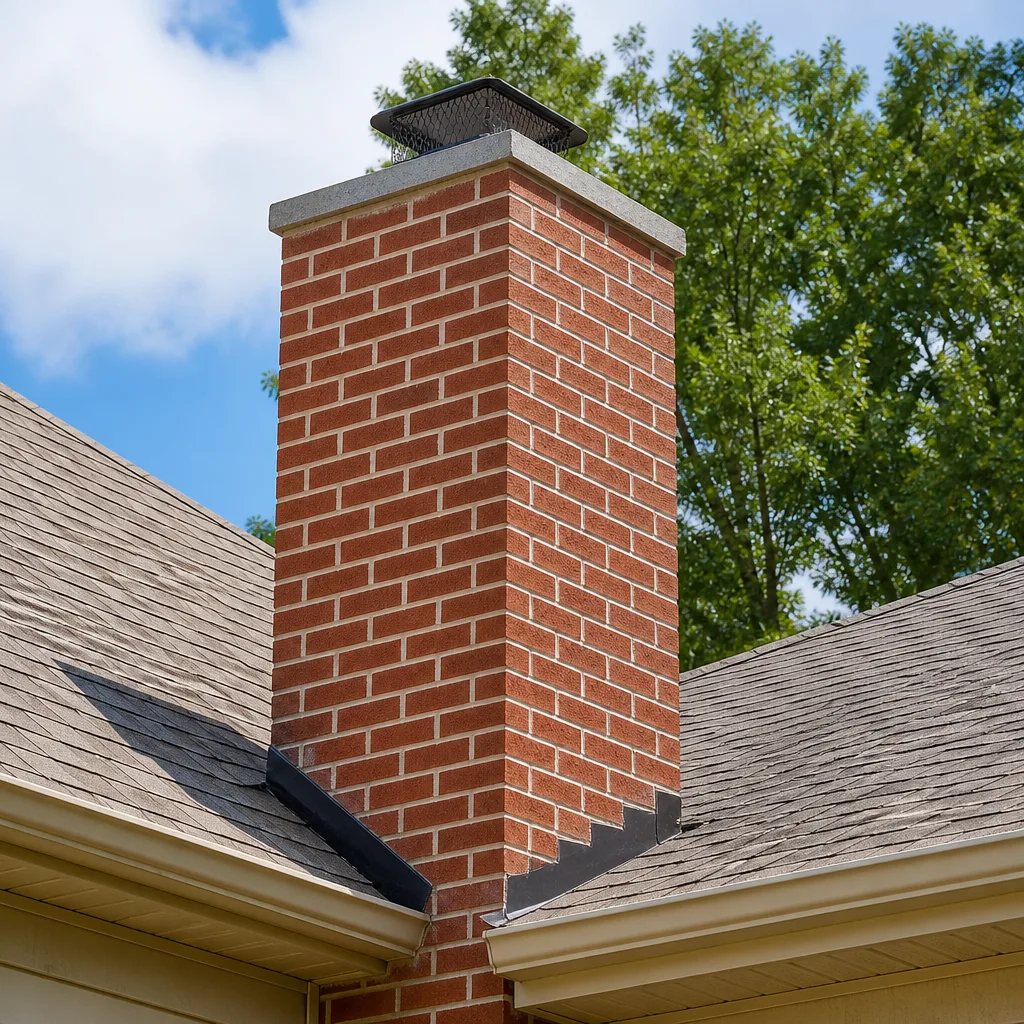 Masonry repair
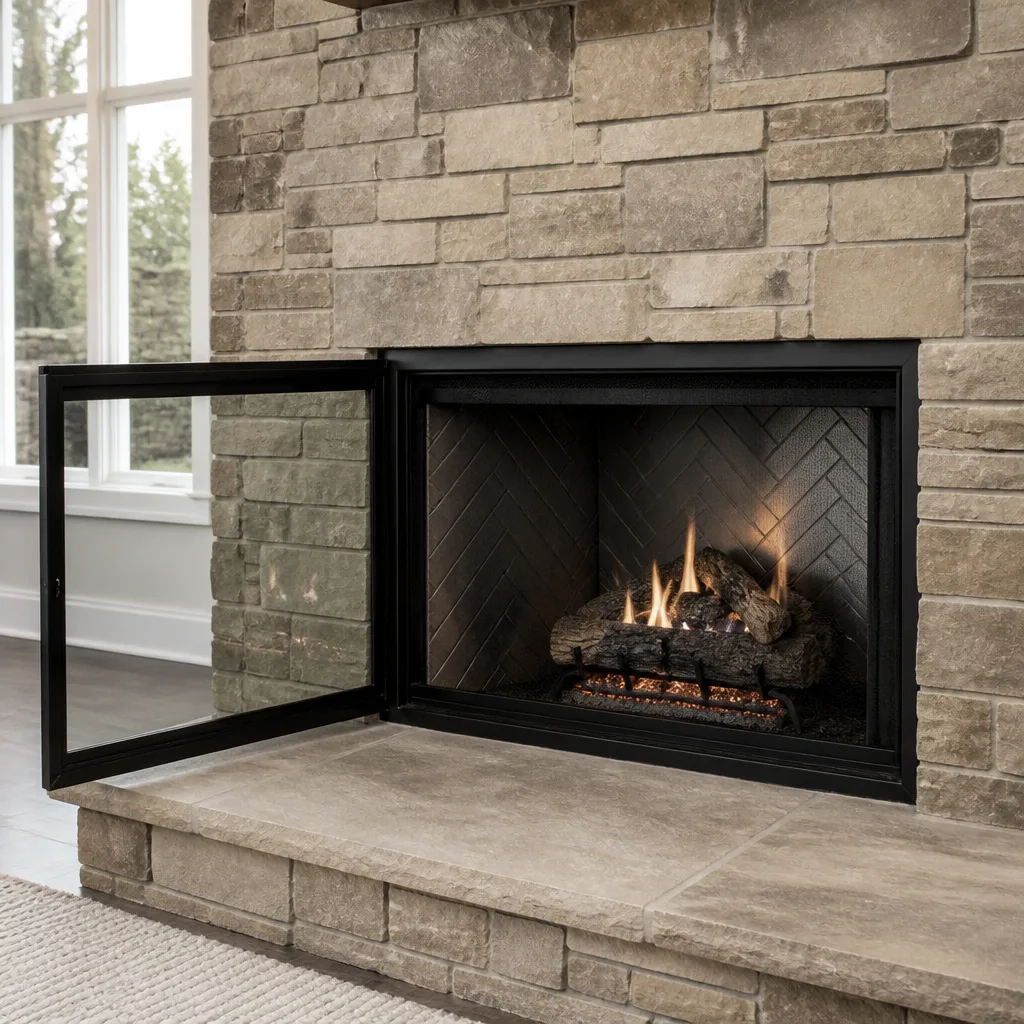 Gas fireplace service
Level 1 sweep and inspection to the NFPA 211 annual standard - flue, crown, cap, and flashing checked and photographed
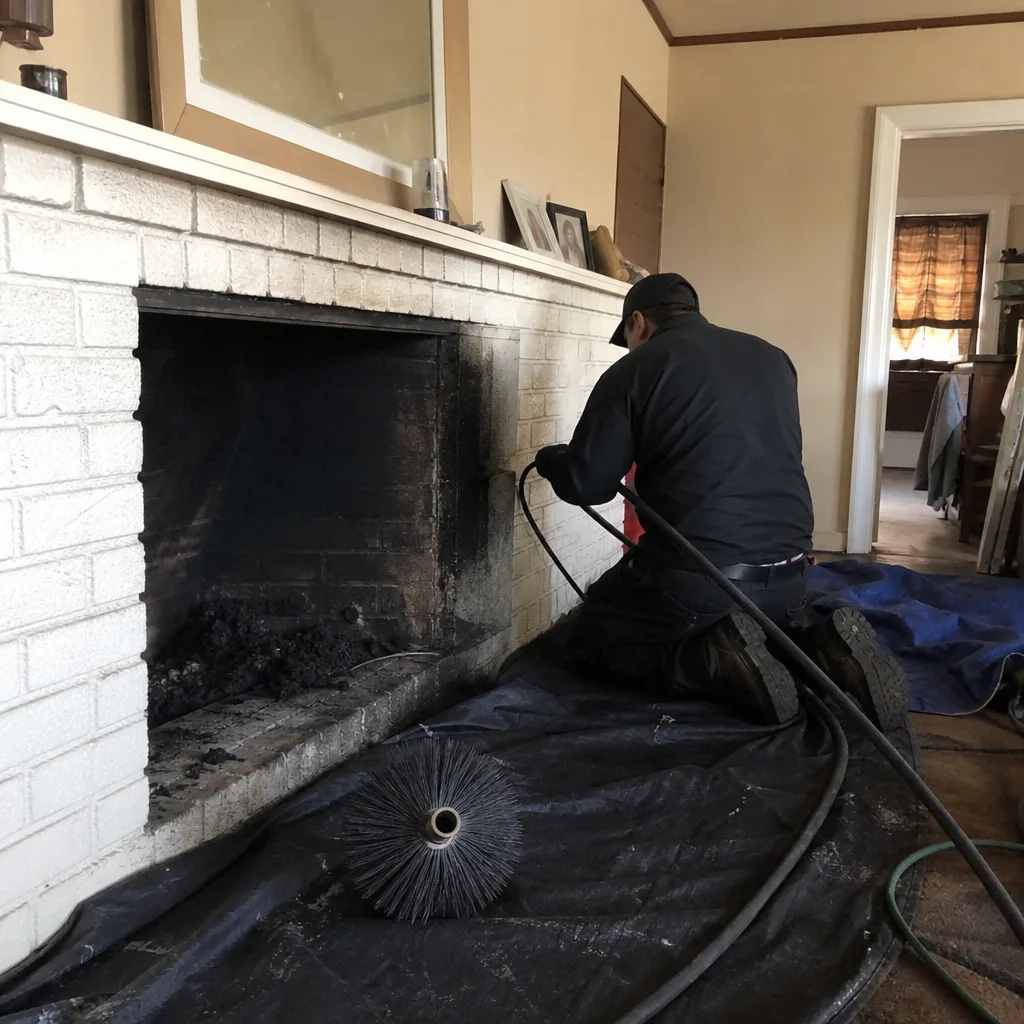
Chimney sweep logs do not sweep chimneys. They loosen some creosote - which then falls where a brush and vacuum still have to collect it.
Chimney Sweep Troubleshooting: Common Problems and How to Fix Them
A smoky fireplace is not one problem. It’s at least seven distinct problems that look identical from the living room, and the fix for one can make another worse. In Pomona, where winter nights dip into the 40s and fireplaces see regular use from November through February, we get calls every season from homeowners who’ve already tried three DIY fixes and still can’t sit in their own living room without their eyes watering. This guide will teach you to read your chimney’s behavior the way a technician does, and you can find more guides & resources on our site: symptom first, cause second, fix third. By the time you finish, you’ll know which problems you can address safely yourself and which ones need a trained eye before they become structural failures or fire hazards.
Styles & brands we work with
Quick Answer
Most chimney problems fall into five categories: draft failure, blockages, creosote buildup, moisture intrusion, and structural wear. The most common fix is a proper chimney sweep to remove creosote and identify hidden damage, followed by targeted repairs like damper replacement, cap installation, or flue resurfacing. If you’re seeing smoke back up into the room, hearing animal sounds, or noticing a persistent odor even when the fireplace is cold, the first step is a professional inspection, not another log on the fire.
Table of Contents
- Smoke Backing Into the Room: Reading the Draft
- Draft Lag: When the Chimney Won’t Start Drawing
- Chimney Odors: Creosote vs. Moisture vs. Animal
- Visible Staining on Walls, Ceiling, or Brick
- Damper Failure: The Most Overlooked Component
- Safe DIY Checks vs. Professional Level II Inspections
- Draft Inducers, Chimney Balloons, and Chemical Cleaners: What Actually Works
- Common Mistakes to Avoid
- When to Call a Professional
- Frequently Asked Questions
- The Bottom Line
Smoke Backing Into the Room: Reading the Draft
Smoke doesn’t rise because it wants to. It rises because the house is pushing it up the flue. A chimney works on pressure differential: warm air inside the chimney creates an upward pull, and the house supplies replacement air to feed that pull. When smoke spills into the living room instead of going up the flue, one of three things has gone wrong: the chimney can’t pull hard enough, something is blocking the path, or the house is competing with the chimney for air.
Here’s the part most guides skip: those three causes require completely different fixes, and two of them can be tested in the first five minutes of a service call. We’ve walked into Pomona homes where the homeowner had replaced a perfectly good damper because a bedroom window was cracked open and stealing the draft. We’ve also seen the opposite: a chimney so packed with creosote that the flue was effectively a pencil-width opening, and every bit of smoke had nowhere to go but backward.
Negative House Pressure
Modern homes are sealed tight for energy efficiency. Bathroom fans, range hoods, and even the clothes dryer all compete for the same air your fireplace wants to pull. In Pomona ranch homes built in the 1950s and 60s, we see this less often because the houses leak plenty of air. But if you’ve recently added new windows, spray-foam insulation, or a high-CFM range hood, your chimney’s draft can collapse from a change in house pressure that has nothing to do with the chimney itself. The telltale sign: the fireplace draws fine on mild days but backdrafts when the furnace kicks on or when a bathroom fan is running upstairs.
Blockage
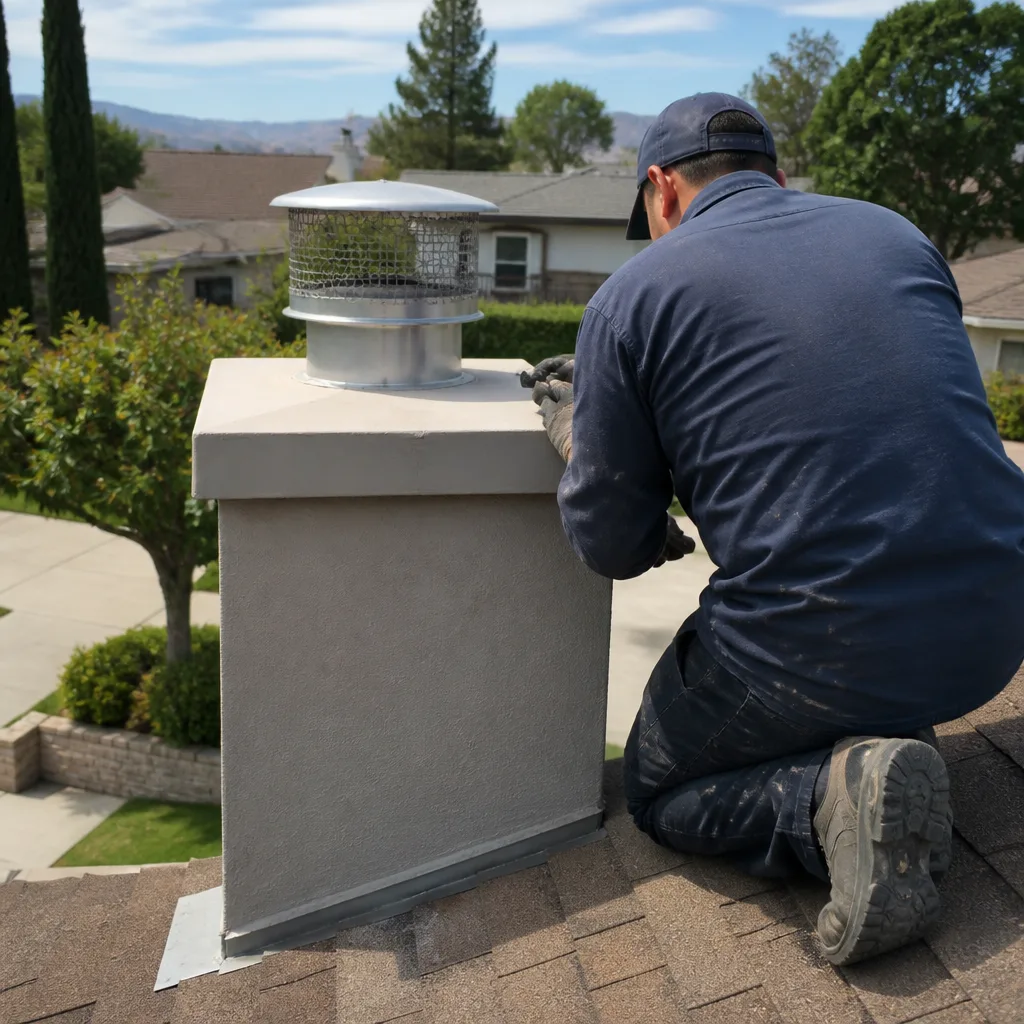
A chimney cap that’s missing or damaged invites in what Pomona has in abundance: leaves, twigs, nesting material from pigeons and squirrels, and during wildfire season, ash and debris from the San Gabriel foothills. Any of these can reduce a flue opening by half or more. Smoke moves through the path of least resistance, and a partially blocked flue makes that path the living room.
Flue Sizing Mismatch
An undersized flue can’t handle the volume of smoke a large firebox produces. An oversized flue never gets hot enough to establish a draft. Both look identical from the couch: intermittent smoke spillage that gets worse as the fire grows or as the chimney warms. This is a design problem, not a cleaning problem, and it’s one of several reasons a Chimney Repair in Pomona should be involved if the pattern persists after a cleaning.
What to check yourself: Run the fireplace with a bathroom vent fan off and a window cracked one inch. If the smoke stops backing up, you have a house-pressure problem. If it doesn’t, the issue is in the chimney itself.
Draft Lag: When the Chimney Won’t Start Drawing
Draft lag is the chimney equivalent of a car that stalls twice before the engine catches. You light the fire, the smoke hovers over the logs, then rolls into the room for the first five to ten minutes before finally heading up the flue. In Pomona’s mild shoulder seasons, especially October and November when you’re lighting the first fire of the year, the flue is full of cold, dense air that resists moving. The warm air from the kindling can’t push it out fast enough, so the smoke hesitates.
Why It Happens
- Cold flue: The chimney is at outdoor temperature and needs to warm before convection starts.
- Tall chimney: Two-story homes in Pomona’s Phillips Ranch or Westmont neighborhoods have longer flue runs that take more heat to establish a draft.
- Exterior chimney: Chimneys built on outside walls lose heat to the outdoors continuously, making them slower to warm than interior flues.
- Makeup air shortage: The fire needs combustion air, and a tight house won’t supply it until you open something.
What Fixes It
- Prime the flue: Roll a sheet of newspaper, light it, and hold it up near the damper opening for 30 to 60 seconds before lighting the main fire. This pre-warms the air column.
- Open a window: One inch is usually enough in most Pomona homes. Leave it open for the first ten minutes.
- Start smaller: A larger fire doesn’t fix draft lag; it makes it worse by producing more smoke than the cold flue can move. Build a small, hot kindling fire first, then add logs once the chimney is drawing.
- Check the damper throat: A damper that only opens partially restricts the flue opening when the chimney needs maximum airflow. We frequently find dampers rusted into a half-open position in Pomona homes near the coast-influenced moisture line.
If draft lag persists even after priming, the likelier culprits are creosote narrowing on the flue walls or a connector pipe issue. Both are visible during a standard chimney sweep, and both are fixable on the same visit when you work with the team behind Lantern Chimney Sweep home.
Chimney Odors: Creosote vs. Moisture vs. Animal
Chimney odors aren’t all the same, and knowing the difference tells you exactly what you’re dealing with. We group them into three distinct signals, and a homeowner who can describe the smell accurately saves us time on every service call in Pomona.
The Summer Odor: Moisture-Activated Creosote
You smell it in July and August, when the fireplace hasn’t been used in months and the outdoor humidity climbs. That pungent, tar-and-campfire smell is creosote absorbing moisture from the air and off-gassing. It’s strongest on hot days after the marine layer burns off, and it’s a specific diagnostic signal: your flue has enough creosote accumulation that it’s retaining water. The fix isn’t an air freshener or a dehumidifier. The fix is a chimney sweep to remove the creosote, followed by a check of the cap and flashing to stop the moisture intrusion that triggered the smell in the first place. For a deeper look at the process, see our Complete Chimney Sweep Guide for Pomona Homeowners.
The Burning Smell During Use
A smell like an electrical fire, or like hot metal and dust, is different. This one appears only when the fireplace is running, and it usually means the flue has a small leak letting combustion gases contact surrounding materials. In older Pomona chimneys with clay tile liners, cracked tiles are a common source. The gases aren’t supposed to be there, and they’re heating the framing or masonry in ways that shouldn’t happen. This is not a wait-and-see situation. The flue needs an inspection, and in many cases we can restore it with HeatShield ceramic resurfacing instead of a full rebuild.
The Animal Smell
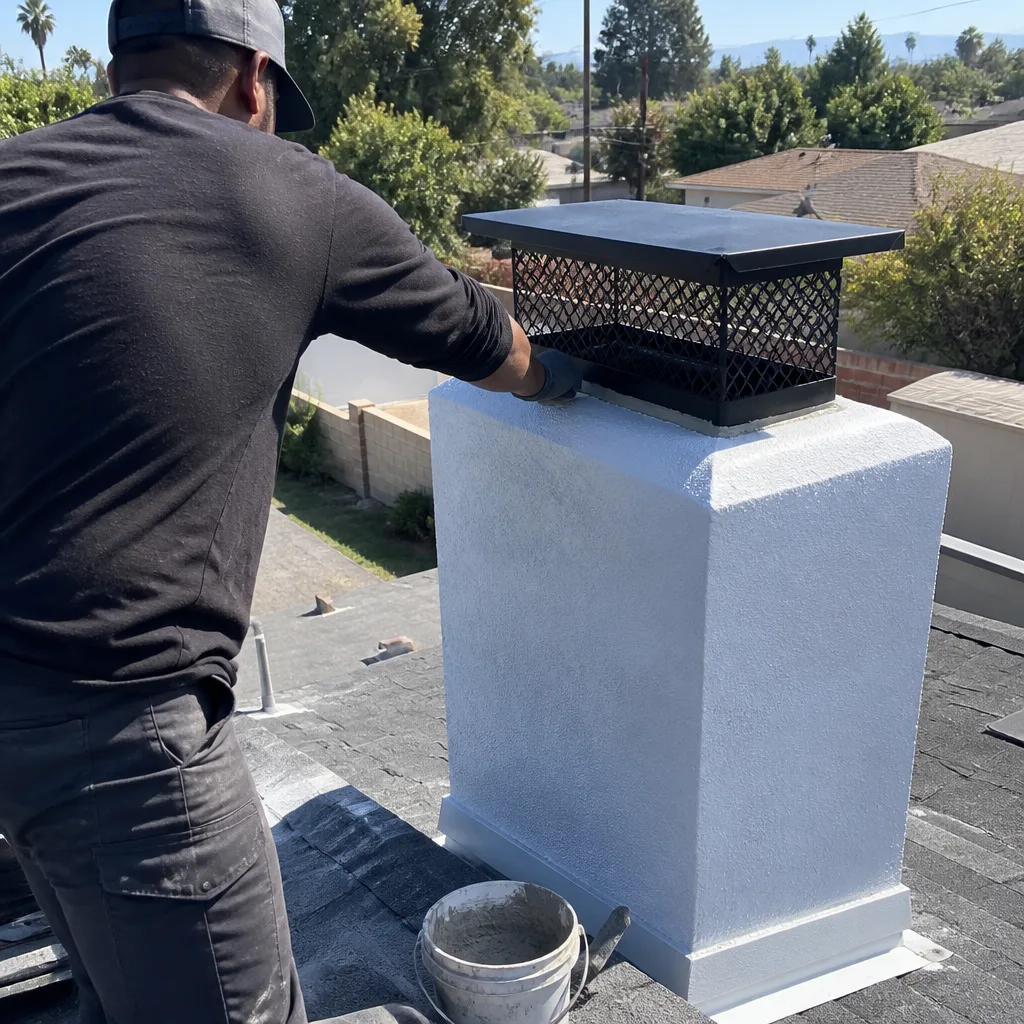
Pungent, organic, and worse after rain: that’s a dead animal or accumulated nesting material in the flue. Birds, squirrels, and rats all find Pomona chimneys attractive, especially uncapped ones. A dead bird in the smoke shelf produces a smell that moves through the house in waves. Nesting material in the flue is also a fire hazard; it ignites quickly and burns hot. The fix starts with removal, but it should end with a Gelco chimney cap so the problem doesn’t recur next season.
When you call for odor diagnosis, describe when you smell it, what it smells like, and whether it changes with weather. Those three details get us to the root cause faster than anything else.
Visible Staining on Walls, Ceiling, or Brick
Stains tell a story. The location, color, and pattern of a stain on your ceiling, wall, or chimney breast points to a specific source. Here’s how to read what you’re seeing in most Pomona homes.
Brown Stains on the Ceiling Near the Chimney
Usually moisture saturated with creosote or soot working its way through drywall from a leaking flashing joint above. The flashing is the metal seal where the chimney meets the roofline, and it’s the single most common leak point on any home. In Pomona, the seasonal rain from December through March tests flashing seals that dry out and crack during the long hot summers. When the stain appears or darkens after rain, you have your answer.
White Efflorescence on Exterior Brick
That chalky white deposit isn’t mold. It’s mineral salts wicking out of the brick as water moves through the masonry. The water is getting in somewhere: a cracked crown, failed mortar joints, or a leaky cap. The efflorescence itself is cosmetic, but the water behind it is not. Left alone, it spalls brick faces over freeze-thaw cycles. Pomona doesn’t see hard freezes often, but the San Gabriel Valley gets enough cold snaps that wet brick can fracture.
Dark Streaks on the Chimney Breast Inside the House
This is usually soot staining from combustion gases escaping through gaps around the damper frame or firebox joints. It means the firebox-to-flue connection isn’t sealed well, and it’s worth addressing because those same gaps leak carbon monoxide when the fire is burning. A professional can test the seal and reseal it with the appropriate refractory-rated material.
Damper Failure: The Most Overlooked Component
The damper is a moving part in a hot, sooty, corrosive environment. It fails more often than any other chimney component, and almost nobody checks it until the problem it causes becomes impossible to ignore.
What a Failing Damper Looks Like
- Stuck open: You can’t close it. Cold air pours down the chimney in winter, and conditioned air escapes in summer.
- Stuck closed: You can’t open it. The fireplace becomes unusable, and any attempt to burn produces immediate smoke backup.
- Partial operation: It opens halfway and jams. The fireplace underperforms, and you get intermittent smoke spillage.
- Warped plate: The damper visibly doesn’t seat flat when closed. Gaps let air bypass the seal.
Why It Matters
A damper that won’t seal is a year-round energy leak and a seasonal safety issue. In summer, it lets air-conditioned air escape, which in Pomona’s July and August heat means real money leaving the house. In winter, it lets warm indoor air rise out of the flue and cools the flue below the threshold where it can establish a draft. The result: slower startups, more smoke, and more creosote condensation on flue walls.
The Fix
Sometimes it’s a cable adjustment or lubrication. Sometimes the damper plate is warped and needs replacement. We stock replacement dampers and can typically install one the same day we identify the problem. If the damper has failed completely, a top-sealing damper mounted at the flue exit is often a better long-term solution than another throat-mounted unit. It seals tighter, keeps animals out in combination with a cap, and eliminates the throat-damper leak path entirely.
Safe DIY Checks vs. Professional Level II Inspections
There’s a line between what a careful homeowner can inspect and what requires professional training and equipment. We draw it clearly because we’ve seen the consequences of crossing it.
Safe DIY Checks
- Damper operation: Open and close it fully. Watch for smooth travel and a flat seal. This is safe with the fireplace cold.
- Firebox visual: With a flashlight, look for cracked firebrick, gaps in the mortar joints, or a buildup of ash and debris behind the grate. You’re looking, not touching.
- Cap check from the ground: Use binoculars. Look for a missing or tilted cap, visible nesting material, or a cap clogged with leaves. Do not climb on the roof.
- Chase cover check: If you have a factory-built or prefab chimney, look for rust or visible gaps in the metal chase cover at the top of the siding box.
What Requires a Professional Level II Inspection
- After any chimney fire: Even a small one. Chimney fires damage flue tiles in ways that are invisible from the ground and sometimes invisible without a camera.
- After a seismic event: Pomona sits in earthquake country, and a shift of even a few millimeters can crack flue tiles or separate flue sections.
- When buying or selling a home: A Level II inspection includes a video scan of the flue interior, and it documents the condition for both parties.
- When use changes: Converting from wood to gas, or adding a wood stove insert, changes the demands on the flue and requires verification that it can handle the new load.
A proper chimney sweep in Pomona includes a visual inspection of everything accessible, and we document what we find so you can see it for yourself. When a camera inspection is warranted, we bring the video to you on the spot. No hidden findings, no recommendations you can’t verify.
Draft Inducers, Chimney Balloons, and Chemical Cleaners: What Actually Works
The internet sells a lot of chimney solutions. Some solve real problems. Some mask them. Some make them worse. Here’s our honest assessment from years of service calls across Pomona.
Draft Inducers
Draft inducers mount at the flue exit and use an electric fan to pull air when natural draft is insufficient. They solve exactly one problem: a flue that can’t establish adequate draft due to design limitations or persistent negative house pressure. They’re not a fix for creosote buildup, blockages, or liner damage. If you install one to compensate for a dirty chimney, you’ve added a mechanical bandage over a problem that still needs addressing. The fan also requires power and maintenance. We recommend them rarely, only after other causes are ruled out.
Chimney Balloons
A chimney balloon is an inflatable plug inserted in the flue to stop air leakage when the fireplace is unused. For a chimney that drafts poorly because of cold air infiltration or backdrafting in winter, a balloon can genuinely help. But it’s a seasonal device with hard limitations. Forget to remove it before lighting a fire, and you have a serious smoke-and-fire problem. Leave it in place during a humid Pomona summer, and you trap moisture in the flue, which accelerates creosote degradation and odor. Used carefully, a balloon is a legitimate draft-stop. Used carelessly, it’s a hazard.
Chemical Creosote Cleaners
Chemical chimney cleaners come as powders, sprays, and logs that claim to break down creosote so it flakes off. Here’s what they actually do: they alter the chemical structure of some creosote deposits, making them more friable and easier to remove with a mechanical sweep. They do not clean the chimney. No chemical in a consumer product removes the volume of creosote that a professional sweep removes with rods and brushes. Using a chemical cleaner and skipping the sweep is like taking an antacid for a broken leg: the underlying problem is still there. If you’re unsure which products to trust, read our Choosing the Right Chimney Cleaning Brand: A Buyer’s Guide for Pomona. In our service area, we recommend chemical treatments between sweeps for homes that burn frequently, never as a substitute for them.
Common Mistakes to Avoid
- Burning unseasoned wood and then wondering why the chimney clogged. Green or wet wood produces cool, smoky combustion that condenses creosote quickly. Seasoned oak and almond, common in Pomona firewood deliveries, needs at least six months of dry storage before burning.
- Ignoring the first smoke-back episode. A chimney that backdrafts once will backdraft again, and each episode deposits soot on furnishings, introduces carbon monoxide risk, and stresses flue materials. The first episode is the cheapest time to investigate.
- Patching the wrong problem. We’ve replaced dampers that were fine because the real issue was a partially collapsed flue tile twenty feet up. Symptom-level repairs without a proper diagnosis just delay the real repair and add cost.
- Skipping the cap. A chimney without a cap in Pomona collects leaves, rain, and wildlife. The cap is the cheapest insurance your chimney can have, and most code-compliant installations in Southern California require one.
- Trying roof repairs without fall protection. The San Gabriel Valley sees enough roof injuries every year to fill a hospital wing. Cracked crowns and broken caps are jobs for a professional with proper equipment.
- Assuming an unused chimney doesn’t need attention. Unused chimneys still take on water, still house animals, and still accumulate moisture-activated creosote odor. A chimney you never use still needs an annual visual check.
- Trusting a low-ball cleaning price that doesn’t include a real inspection. A sweep that takes fifteen minutes didn’t actually clean anything. Ask what the sweep includes and what the technician will document.
When to Call a Professional
Call a professional when you see smoke backing into the room that you can’t attribute to a specific, controllable cause. Call when you smell a burning odor during use, because that’s a flue leak and it’s not negotiable. Call when you find animal activity, when water stains appear on the ceiling or chimney breast, or when the damper won’t seat. And call after any chimney fire, no matter how small, because the flue needs a camera inspection before the next burn. Chimney Sweep in Pomona starts with exactly that: a thorough sweep, a documented inspection, and straight answers about what we found. Lantern Chimney Sweep offers free estimates in Pomona, call (855) 341-8132.
Frequently Asked Questions
Wood-burning fireplaces should be swept at least once per year, ideally in late summer or early fall before the burning season starts in November. Gas fireplaces can go longer between cleanings but still need an annual visual inspection of the flue and venting. Homes that burn more than three cords per season or that burn unseasoned wood may need a mid-season sweep. If you’re also running a dryer regularly, Dryer Vent Cleaning in Pomona on the same visit addresses the second major fire hazard in the house. Call (855) 341-8132 to schedule.
A standard chimney sweep in Pomona typically runs $180 to $350 depending on flue height, creosote load, and accessibility. Repairs identified during the sweep are quoted separately, and nothing gets recommended without evidence you can see. Estimates are free, and the price you’re quoted before the visit is the price you pay unless you approve something additional. Call (855) 341-8132 for an exact quote.
You need a new liner or a resurfacing treatment only when the existing liner has cracked, separated, or deteriorated to a point where it can’t contain combustion gases. The evidence for this is visible on a camera inspection: cracked tiles, missing mortar joints, or spalling clay surfaces. If a company recommends a liner replacement without showing you the camera footage, get a second opinion. When liner damage is confirmed, HeatShield ceramic resurfacing often restores the flue without full relining, and a DuraFlex liner is our standard when replacement is necessary. You should be able to see the problem before you pay to fix it.
Creosote accumulates on flue walls, narrowing the opening and increasing draft resistance. The chimney draws worse each season, smoke backs up more often, and the creosote itself becomes a fuel load. A chimney fire can reach 2,000°F, which cracks clay liners, warps metal components, and can spread to the house structure. The cost of a sweep every year is a fraction of the cost of repairing chimney-fire damage, which often runs into the thousands and may require flue replacement. Call (855) 341-8132 to get current condition assessed before you light the first fall fire.
Yes, gas conversion is common in Pomona homes, and it changes the flue requirements. Gas produces more water vapor than wood, which means the liner must be rated for gas service and correctly sized for the gas appliance. An oversized wood flue on a gas fireplace can cause condensation damage and drafting problems. The conversion typically requires relining with a gas-rated system, and the existing chimney should be inspected before the gas insert goes in. This is a job for a technician who can assess the flue condition and specify the correct liner, not a handyman with a parts-store kit.
Wind-driven smoke backup usually means the chimney cap or flue termination is allowing downdrafts in certain wind conditions. The cap may be missing, undersized, or the wrong style for the flue. Sometimes the flue is too short relative to the roofline or nearby trees, and wind turbulence at the flue exit pushes smoke back down. The fix is a properly sized cap, sometimes combined with a flue extension. This is a diagnostic call: the technician needs to see the flue exit and cap configuration before recommending anything. Call (855) 341-8132 and we’ll look at it.
The Bottom Line
Chimney problems are rarely what they appear to be from the living room. Smoke backup, persistent odor, and draft lag all have multiple possible causes, and the wrong fix wastes money while leaving the real hazard untouched. The reliable path is the one a technician takes: identify the symptom, inspect the flue, and match the repair to the evidence. Clean the chimney annually, cap it properly, burn only seasoned wood, and address small findings before they become structural failures. Chimney Repair in Pomona doesn’t stop at the sweep. We sweep, assess, and repair in the same visit, using professional-grade materials like DuraFlex liners, HeatShield resurfacing, and Gelco caps. Call (855) 341-8132 for a free estimate, and we’ll tell you what we found and what we can do about it.
Written by the team at Lantern Chimney Sweep, serving Pomona since 2013.
See the difference
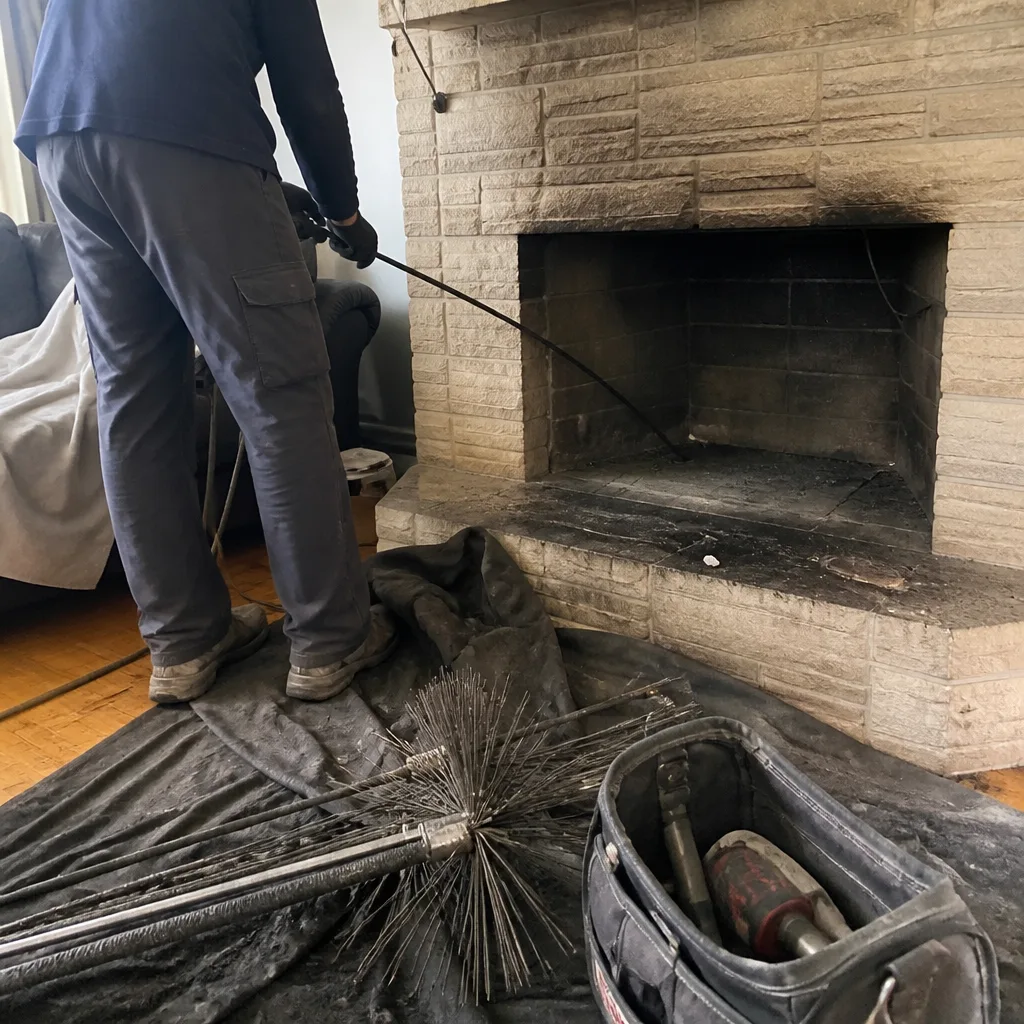 Before
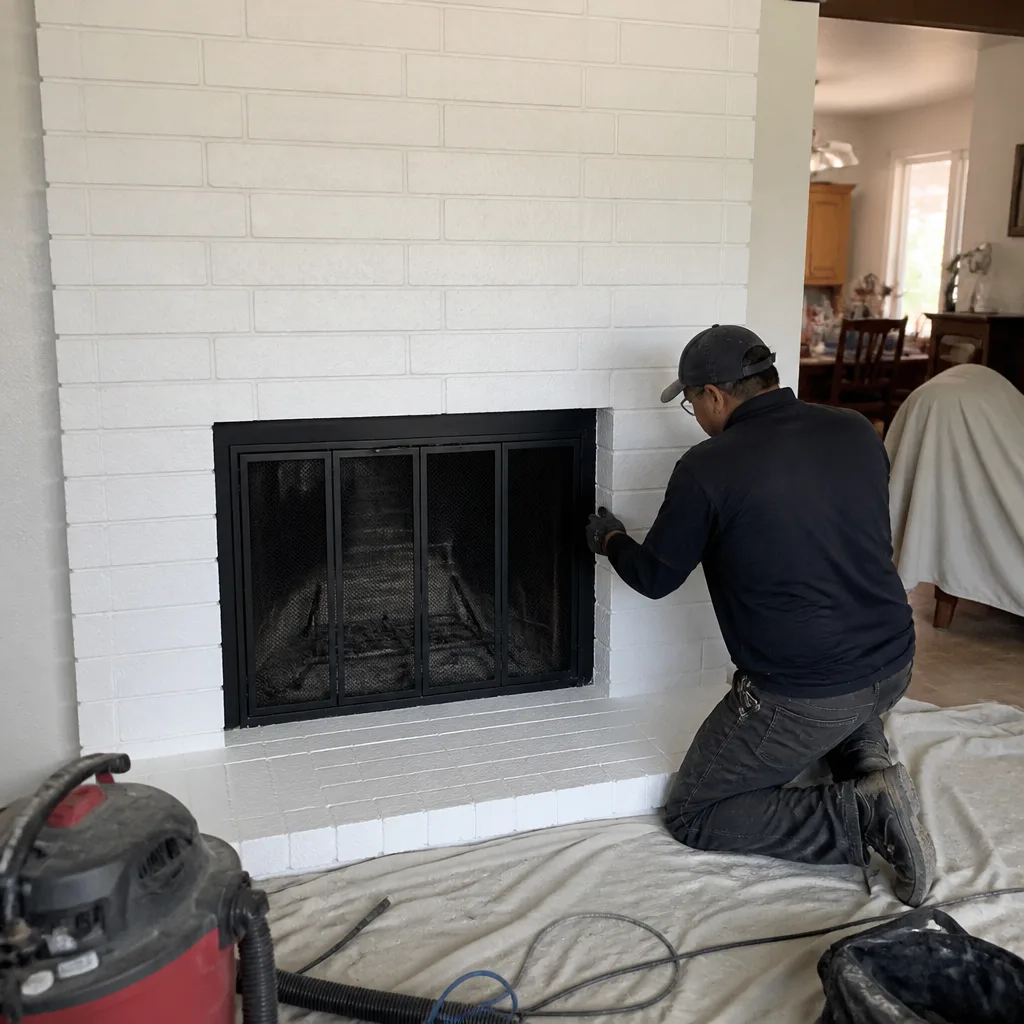 After
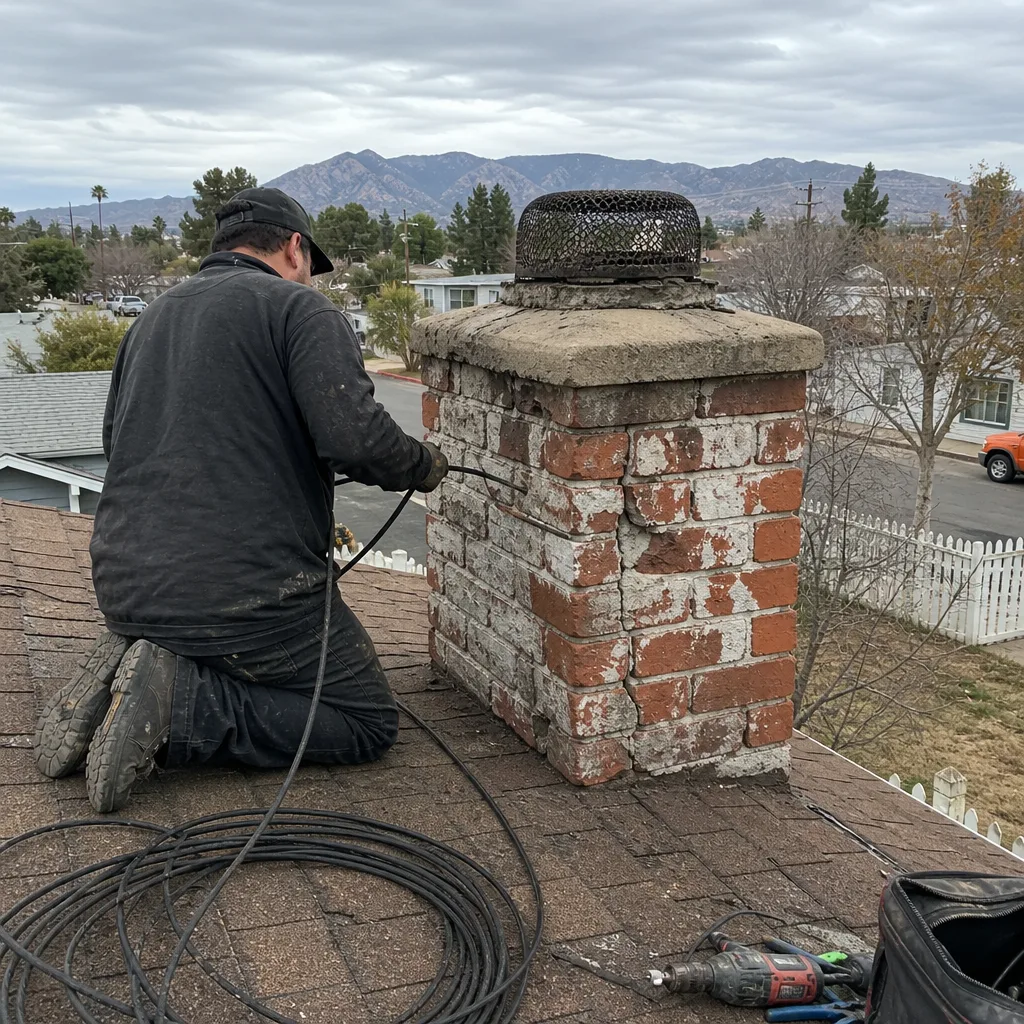 Before
 After
 Before
 After