Last updated October 30, 2026
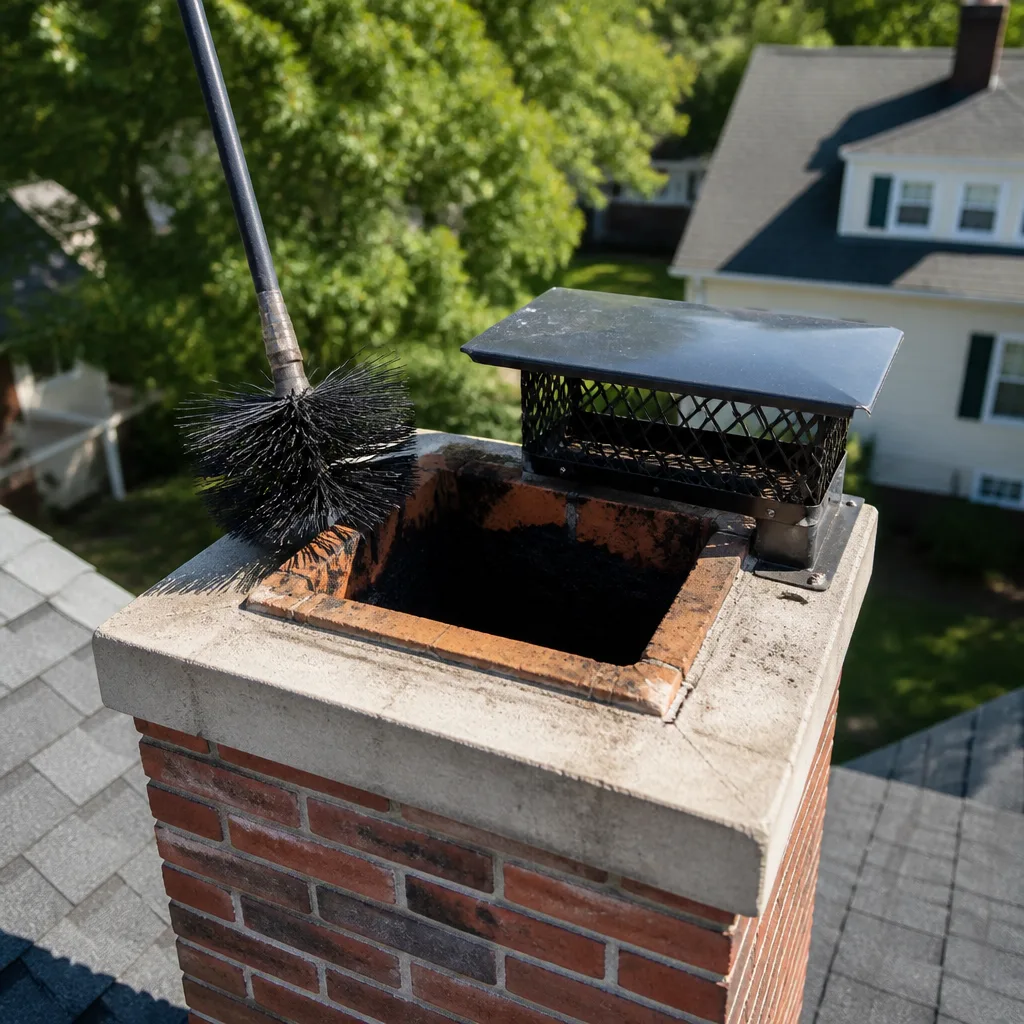 Sweep & inspection
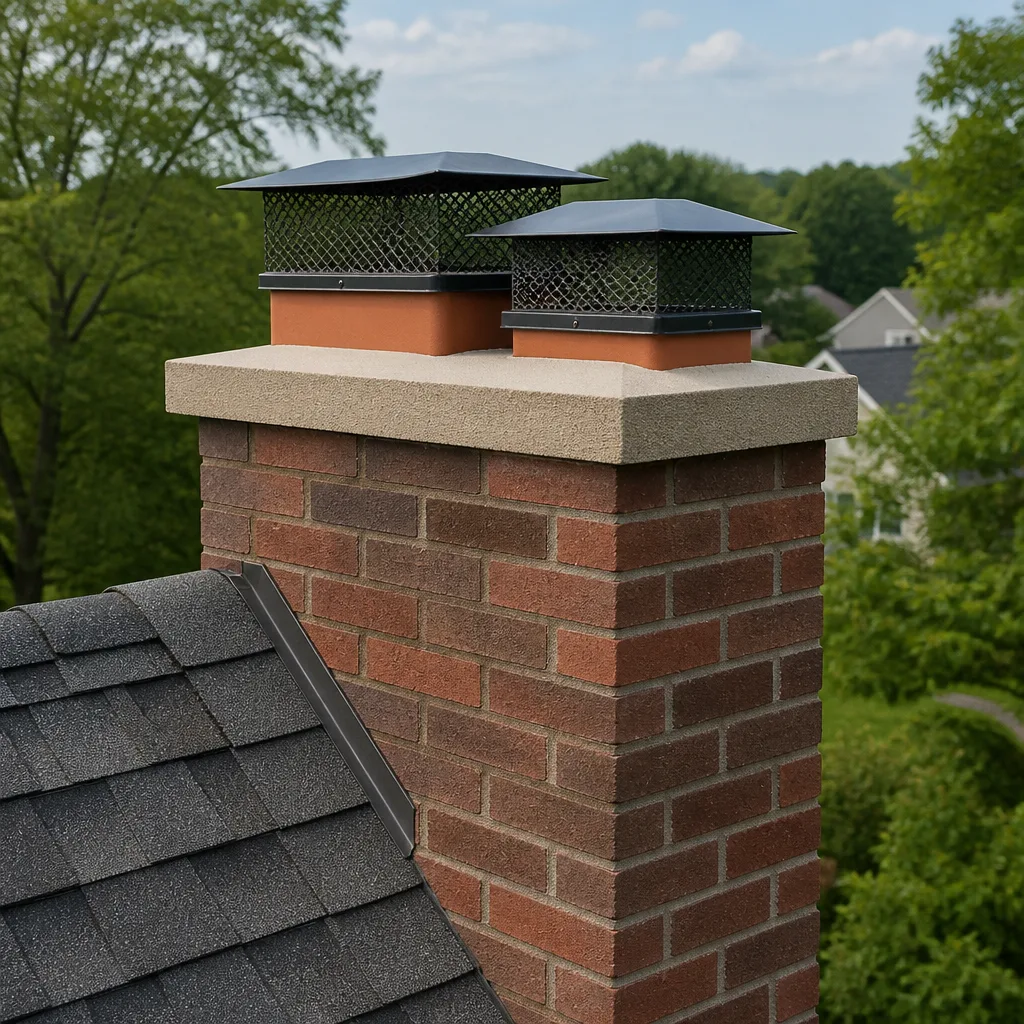 Caps & crowns
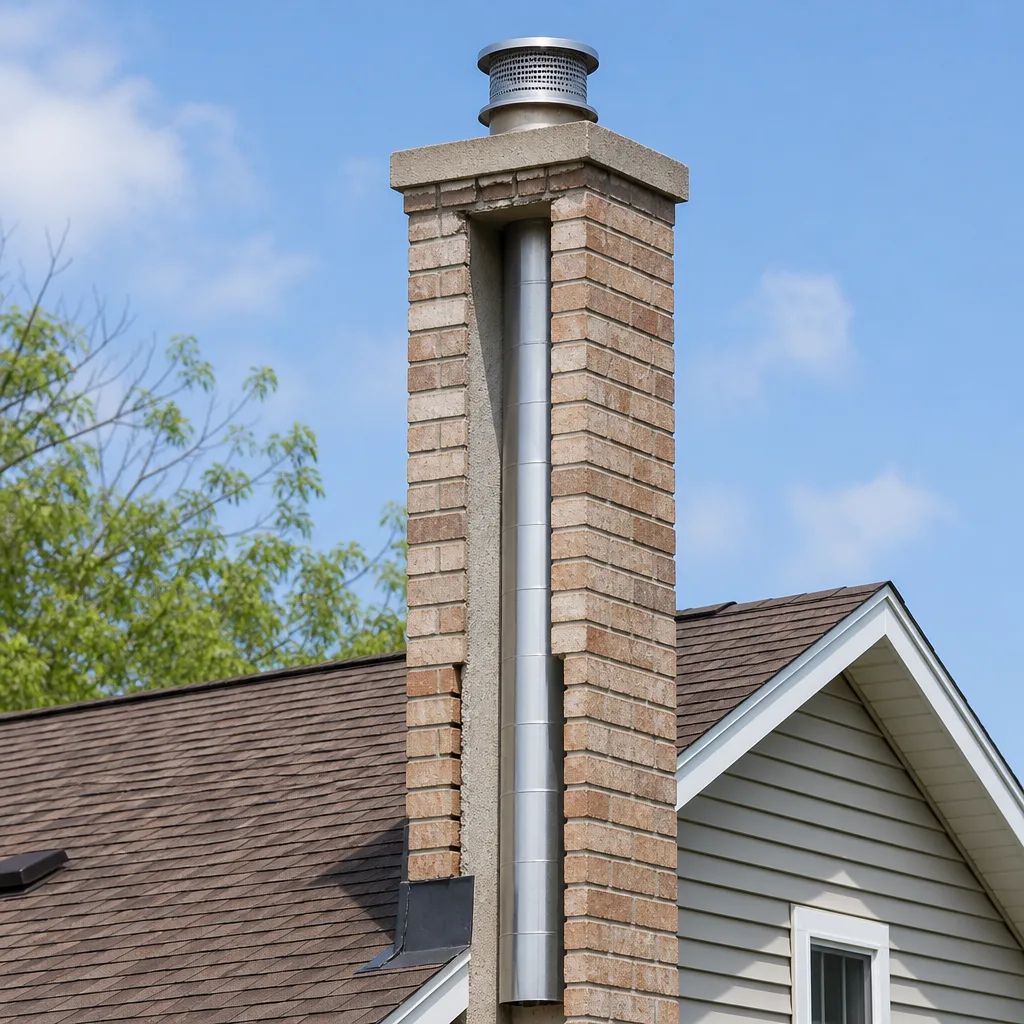 Flue relining
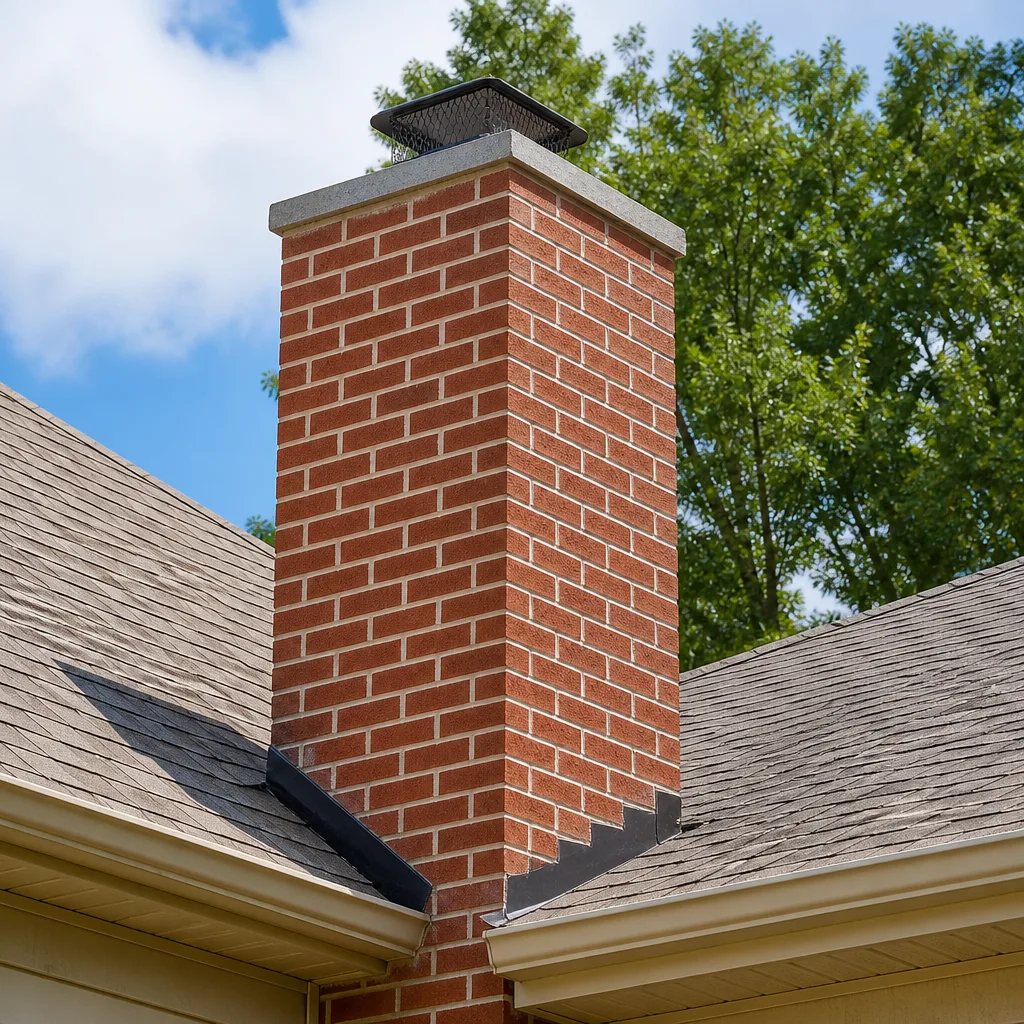 Masonry repair
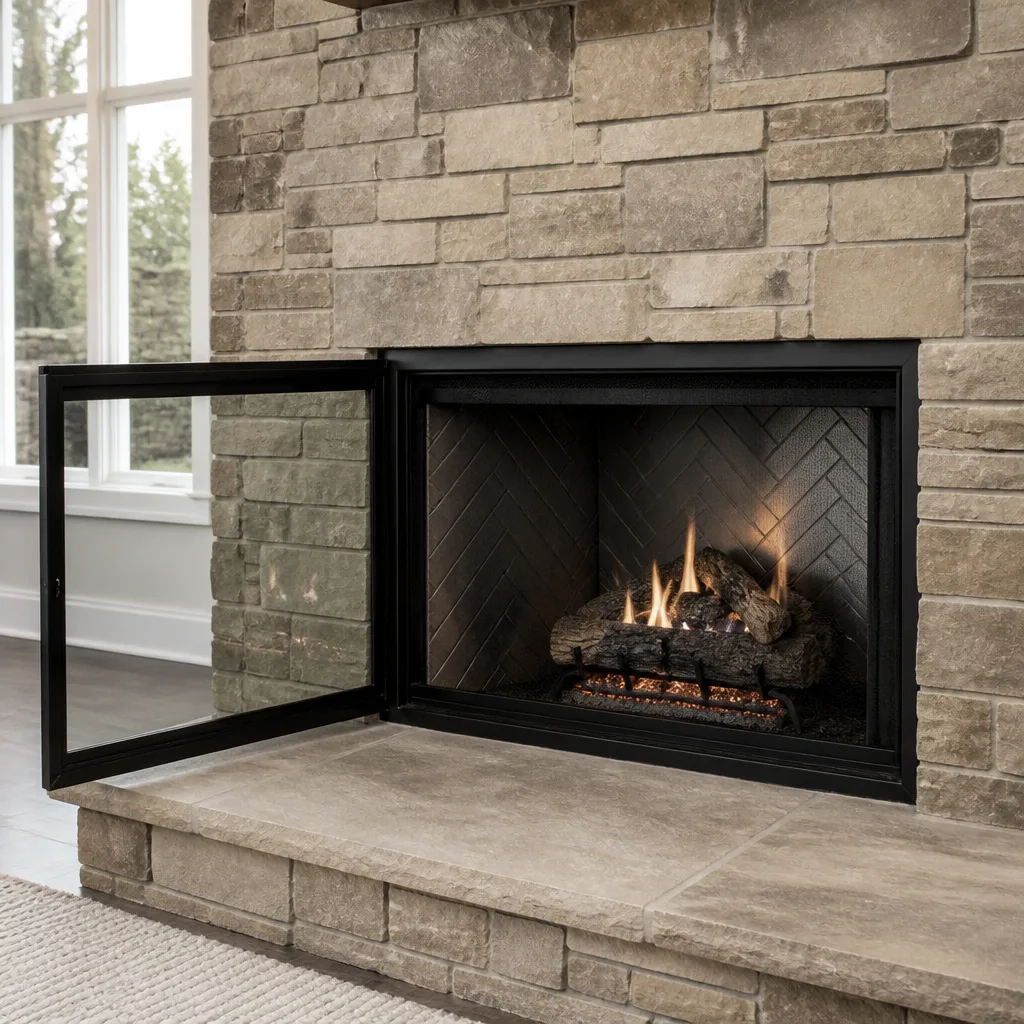 Gas fireplace service
Level 1 sweep and inspection to the NFPA 211 annual standard - flue, crown, cap, and flashing checked and photographed
Chimney sweep logs do not sweep chimneys. They loosen some creosote - which then falls where a brush and vacuum still have to collect it.
Choosing the Right Chimney Cleaning Brand: A Buyer’s Guide for Pomona
Chimney cleaning logs sold at grocery stores are legal, inexpensive, and genuinely misunderstood. They’re a supplemental creosote conditioning tool, not a substitute for mechanical cleaning, and using them as one is how people convince themselves their chimney is fine when it isn’t. In Pomona, where winter fires are a nightly ritual in neighborhoods like Phillips Ranch and Lincoln Park, the gap between what a product label promises and what it actually delivers can be the difference between safe burning and a slow-building fire hazard. This guide breaks down what different chimney product categories actually do, why professional-supply brands perform differently from what you’ll find at the hardware store, and how to read a label like someone who works in this trade. For more guides & resources, visit our blog.
Styles & brands we work with
Quick Answer
The right chimney cleaning brand for Pomona homeowners depends on what you’re actually trying to accomplish. For creosote conditioning between professional sweeps, look for products that specify Tier 1 treatment and check the active ingredient concentration. For any structural component like waterproofing or crown coating, choose vapor-permeable formulations from professional-supply manufacturers like Gelco or Olympia Chimney rather than consumer-grade film-forming sealers, which trap moisture and accelerate masonry damage in Pomona’s heat.
Table of Contents
- The Product Landscape: What Each Category Actually Does
- Professional-Supply vs. Consumer-Grade: The Real Difference
- How to Read a Chimney Waterproofing Label
- Creosote Treatment Tiers: Why Most Products Only Handle Tier 1
- When Product Choice Doesn’t Matter (And What Does)
- What Pomona’s Climate Means for Product Selection
- Common Mistakes to Avoid
- When to Call a Professional
- Frequently Asked Questions
- The Bottom Line
The Product Landscape: What Each Category Actually Does
Walk down the chimney aisle at any Pomona hardware store and you’ll find five distinct product categories, each designed for a different job. Understanding what each one is for, and what it can’t do, is the first step toward buying the right thing. Most homeowners we talk to at Lantern Chimney Sweep home have purchased at least one of these products at some point, often without fully understanding the category.
Creosote Removal Logs and Powders
These products contain chemical compounds, typically manganese or copper-based catalysts, that react with creosote deposits to make them more brittle and easier to remove during the next mechanical sweep. They condition creosote. They do not eliminate it. Think of them like dish soap for a pan: the soap loosens the grease, but someone still has to scrub. A homeowner who burns one of these logs every 40 to 60 fires and then skips the professional sweep is leaving behind the loosened creosote, which in some cases can slough off and fall into the smoke chamber, creating a new accumulation point.
Chemical Sprays
Spray-on creosote treatments work similarly to logs, but they’re applied directly to the firebox walls and lower flue section. The advantage is targeted application. The disadvantage is reach: most consumer sprays only treat the first three to four feet of the flue, which is why they can’t address deposits in the upper flue where creosote accumulates most heavily in Pomona’s cooler overnight temperatures.
Smoke Chamber Sealants
The smoke chamber, the angled section between the firebox and the flue, is often the most draft-compromised part of a masonry chimney. Sealants in this category are designed to fill gaps and smooth the surface, improving draft and reducing creosote accumulation. Professional versions like HeatShield ceramic resurfacing are applied as a bonded ceramic layer. Consumer versions are essentially high-temperature caulk with limited durability. The performance gap here is significant, and the labeling rarely makes it clear.
Crown Coatings
The chimney crown, the concrete slab at the top of the chimney, takes direct weather exposure. Crown coatings are elastomeric or cementitious layers designed to seal hairline cracks and prevent water penetration. Professional products from manufacturers like Gelco are formulated to bond with existing concrete and flex through Pomona’s heat-expansion cycles. Consumer options are often one-coat acrylic latex that looks good for one season and fails the next.
Waterproofers
Chimney waterproofing is the most misunderstood category. The critical distinction is breathability. A proper chimney waterproofer is vapor-permeable, meaning it blocks liquid water from rain while allowing water vapor inside the masonry to escape. A film-forming sealer, which is what most consumer products are, traps that vapor and causes accelerated spalling and efflorescence. This distinction is discussed in more depth below, because getting it wrong is expensive.
Professional-Supply vs. Consumer-Grade: The Real Difference
The most important thing to understand about chimney products is that the same category of product can perform completely differently depending on the formulation. Professionals who restore chimneys for a living source materials through channels like Olympia Chimney and Copperfield, which are professional supply networks not accessible to the general public. The products in those networks are formulated for contractors who have to stand behind their work. The products at the hardware store are formulated for a one-time purchase, and the formulation reflects that.
Here’s what that difference looks like in practice:
- Active ingredient concentration: Professional creosote conditioners typically contain a higher percentage of active catalytic compounds than consumer versions. The label may not state the percentage, but the performance difference is measurable in the brittleness of the creosote after treatment.
- Bond strength: A professional-grade crown coating bonds to cured concrete at a different level than a consumer acrylic. The difference shows up in Pomona’s summer, when crown temperatures exceed 140 degrees and the material must expand and contract without delaminating.
- Application requirements: Professional products assume proper surface preparation: cleaning, temperature windows, moisture content checks. Consumer products are designed to be applied by anyone, on any surface, in any condition, which means the product has to be more forgiving, and forgiving chemistry usually means weaker chemistry.
- Warranty structure: When a professional applies a product like a Gelco waterproofing system, the manufacturer typically honors a multi-year warranty because the product was applied to spec. When a homeowner applies a consumer product, the warranty is effectively limited to the purchase price, which is small comfort when the masonry repair costs thousands.
This isn’t about snobbery. It’s about the reality that manufacturers who sell to professionals have a different quality bar than manufacturers who sell to retail. The products we use at Lantern come from the professional supply chain, including Gelco and Olympia Chimney, for exactly that reason. When we apply a waterproofing treatment or a crown coating, we need it to perform correctly under warranty, and that means using materials that were engineered for the task, not for the shelf.
How to Read a Chimney Waterproofing Label
If there’s one product category where Pomona homeowners consistently get misled by labels, it’s chimney waterproofing. The word “waterproof” sounds like the whole story, but in chimney masonry, it’s only half of it.
A chimney is a masonry structure, and masonry is a two-way street for moisture. Rain hits the outside and needs to be repelled. But moisture also exists inside the chimney, generated by the combustion process itself and by the normal breathability of the flue. That internal moisture needs to escape, or it accumulates inside the brick and mortar, where it does its damage from the inside out.
Here’s what to look for on a waterproofing label:
- “Vapor-permeable” or “breathable”: This is the single most important term. It means the product allows water vapor to pass through the masonry while blocking liquid water. Products without this language, or products that say “100% waterproof barrier” without mentioning breathability, are likely film-forming sealers that will trap moisture.
- Silicone-siloxane chemistry: The professional standard for chimney waterproofing uses a silicone-siloxane blend, which bonds chemically with the masonry rather than sitting on top of it as a film. This chemistry is the basis for most professional-supply waterproofers.
- Solvent-based vs. water-based: Solvent-based siloxane treatments penetrate deeper into masonry than water-based versions. The deeper penetration means more durable protection, especially on older brick that may have surface porosity.
- Coverage rate statements: A professional product will state a coverage rate in square feet per gallon. If the label doesn’t make a coverage claim, the product is probably diluted or primarily water, which is a common formulation trick in consumer products.
- Weather resistance mentions: In Pomona, where the summer heat is relentless and the winter brings periodic rain, the product should claim to withstand both UV exposure and freeze-thaw cycles. A product that only mentions UV resistance is probably a paint-like film, not a true waterproofer.
The stakes of getting this wrong are concrete. A film-forming sealer applied to a Pomona chimney traps moisture that expands and contracts through daily thermal cycles. Within one to two seasons, spalling begins: faces of brick pop off, mortar joints crack, and the chimney begins to deteriorate at an accelerated rate. The repair for spalling is repointing or partial rebuilding, which is far more expensive than the cost difference between the wrong sealer and the right waterproofer. When we apply waterproofing as part of our Chimney Repair in Pomona work, we specify vapor-permeable systems and document the application so the homeowner knows exactly what went on their masonry.
Creosote Treatment Tiers: Why Most Products Only Handle Tier 1
Creosote is not a single substance. It’s a family of deposits that form under different burning conditions, and the industry classifies it into three tiers. Understanding this classification matters because most consumer products only address the first tier, and the product label won’t tell you that.
Tier 1: Dust and Soot
The first stage of creosote is powdery, dusty, or flaky. It forms under hot, efficient fires, usually from seasoned hardwood. Tier 1 creosote brushes off relatively easily with mechanical sweeping. Chemical products, including the logs and powders sold at retail, are effective at conditioning this tier, making it easier to remove during the next sweep.
Tier 2: Tarred and Crunchy
The second stage is flaky and crunchy, often described as looking like corn flakes or granola. It forms during cooler fires, often from softwoods or unseasoned wood, or during the smoldering phases of a fire cycle. Tier 2 deposits are more tenacious and require more aggressive mechanical removal. Consumer chemical products have limited effect at this tier; the catalytic reaction doesn’t penetrate the tarred structure enough to make a meaningful difference.
Tier 3: Glazed, Tar-Like, or Honeycomb
The third stage is hardened, glazed, and shiny. It forms when creosote condensates and re-condenses through repeated heating and cooling cycles, often in chimneys that have seen years of slow, cooler fires. Tier 3 creosote is a significant fire hazard: it’s concentrated fuel adhering to the flue walls. No chemical product, professional or consumer, removes Tier 3 creosote on its own. It requires mechanical removal with rotary chains or rods, and in some cases chemical treatment in combination with aggressive mechanical work.
Here’s the practical takeaway for a Pomona homeowner standing in the product aisle: a creosote log labeled “removes creosote” is technically true only for Tier 1 deposits. If your chimney has been burning nightly fires in a Pomona winter without a recent professional sweep, you may have Tier 2 or Tier 3 deposits by the time February rolls around, and the product will underperform. The only way to know what tier you’re dealing with is a visual inspection, which is one reason we include a camera inspection as part of our Chimney Sweep in Pomona service. What you can see, you can address correctly.
When Product Choice Doesn’t Matter (And What Does)
There are situations where buying any chimney product, regardless of brand or quality, is spending money on the wrong solution. Recognizing these boundaries is part of being an informed homeowner, and it’s a conversation we have regularly at Lantern. For help deciding when to call a pro, see DIY vs Professional Chimney Cleaning: The Pomona Homeowner’s Decision Guide.
When there’s structural damage: If the flue liner has cracked, spalled, or separated, no waterproofer, sealant, or creosote treatment will fix it. The problem is structural, and the solutions are relining with a professional-grade system like a DuraFlex flexible liner, or resurfacing with HeatShield ceramic where the liner is eligible. Product shopping in this scenario delays necessary work and lets damage progress.
When there’s a draft problem: If smoke rolls back into the room when you light a fire, the issue is typically flue sizing, chimney height, negative pressure, or obstruction, not creosote. Chemical products won’t change your draft. A diagnosis will.
When there’s visible water staining inside the home: Water stains on the ceiling near the chimney, or efflorescence on exterior brick, indicate moisture intrusion that has already happened. Waterproofing after the fact won’t undo the damage; it only prevents future intrusion once the leak source is identified and repaired. The repair itself may be a cap replacement, flashing work, or crown reconstruction.
When the chimney has not been inspected in years: We take a simple position on this: nothing is recommended without evidence. In our experience working across Pomona, homeowners who buy products based on a suspicion rather than a diagnosis often spend money on the wrong category of product entirely. The product they actually needed was an inspection. The right sequence is check first, then buy. We tell you what we found, and we can fix it, which is the same standard we’d apply to our own home.
What Pomona’s Climate Means for Product Selection
Pomona sits inland, in the Pomona Valley, with summer temperatures that routinely exceed 95 degrees and winter nights that dip into the 40s. That annual temperature swing, combined with occasional heavy rain and the specific air quality conditions of the Inland Empire, creates a set of demands on chimney products that generic national guidance doesn’t fully capture.
Thermal expansion: Pomona’s summer heat drives surface temperatures on chimney crowns well above ambient air temperature. Any coating or crown material must be able to expand and contract through daily cycles from 50 degrees at dawn to 140-plus degrees at mid-afternoon, without cracking or delaminating. This is exactly the condition that separates professional elastomeric coatings from consumer acrylics, and it’s why Gelco products are specified for the work we do.
Spalling risk from the wrong sealer: The moisture-trapping failure mode described above is accelerated in Pomona because the trapped vapor has high ambient temperatures to drive expansion pressure. A homeowner who applies a film-forming sealer in October may see spalling begin by the following summer, faster than in coastal climates with milder temperature swings.
Burning season patterns: Pomona homeowners tend to burn more frequently during a shorter winter season than homeowners in colder climates who burn year-round. That concentrated usage pattern means creosote builds up in cycles, often reaching Tier 2 or Tier 3 by late winter, especially if the firewood is from local sources and has not been fully seasoned. A creosote conditioning log is a reasonable mid-season supplement, but it does not change the need for the annual professional sweep that should happen before or after the burn season. For details on what that sweep should include, see The Complete Chimney Sweep Guide for Pomona Homeowners.
Dryer vent load: This guide is about chimney products, but the combustion-safety picture in Pomona homes includes the dryer. Lint accumulation in dryer vents is one of the leading residential fire hazards, and the hot inland Pomona summers mean dryers run frequently. The same principle applies to dryer vent products: professional-grade components, like the Famco-compatible vent parts we use, are built to a different standard than what’s at the hardware store. Our Dryer Vent Cleaning in Pomona service pairs naturally with chimney work because both address the same underlying risk: combustion byproducts not leaving the home correctly. One visit, two fire hazards addressed.
Common Mistakes to Avoid
- Using a creosote log as a substitute for a sweep. The log conditions creosote; it doesn’t remove it. Skipping the mechanical sweep after using one leaves brittle, flammable deposits in the flue, which is arguably a worse hazard than untouched creosote because the loosened material can accumulate in the smoke chamber.
- Applying a film-forming sealer to a masonry chimney. In Pomona specifically, a non-permeable sealer traps moisture and accelerates spalling through the heat cycle. If the label doesn’t say vapor-permeable, don’t put it on your chimney.
- Buying any product without a prior inspection. Spending $40 on a product that addresses the wrong problem is a $40 mistake on top of the eventual cost of the right repair. A diagnostic visit tells you what you’re actually dealing with before you open your wallet.
- Assuming professional products are just expensive versions of consumer products. The formulation differences are real, from active ingredient concentration to application chemistry to bond strength under Pomona’s thermal loads. The professional product is a different tool, not the same tool with a better label.
- Treating smoke chamber sealants as structural repairs. A consumer sealant fills a gap. It doesn’t restore a compromised smoke chamber. If the chamber has significant deterioration, the proper fix is a bonded ceramic system like HeatShield, which is a professional application, not a squeeze tube.
- Buying products designed for a different climate’s assumptions. National brands formulate for national conditions. Pomona’s specific heat profile, combined with concentrated seasonal burning, demands more from products than a mild-coastal climate would. Choose products that state thermal cycling performance.
- Ignoring the dryer vent while focusing on the chimney. A home with a clean chimney and a packed dryer vent still has a significant fire hazard. The two systems are best addressed together, which is why a whole-home combustion-safety visit covering both makes practical sense.
When to Call a Professional
Some situations call for experience rather than a product purchase. If you see glazed, shiny creosote inside your flue, or if your fires are producing more smoke than they used to, or if you see any sign of water staining inside or efflorescence outside, the correct next step is a professional assessment. The same goes for any chimney that has not been swept or inspected in more than two years: the condition is unknown, and unknown is where expensive problems hide. Lantern Chimney Sweep offers free estimates in Pomona. Call (855) 341-8132 and we’ll take a look at what’s actually happening inside your flue before you spend a dollar on products.
Frequently Asked Questions
For supplemental creosote conditioning between professional sweeps, look for products that state Tier 1 treatment and list their active catalytic ingredient concentration. For waterproofing or crown work, professional-supply brands like Gelco and Olympia Chimney are the standard, and they’re available through chimney professionals rather than retail. No product brand replaces the need for annual mechanical sweeping. Call (855) 341-8132 for guidance specific to your chimney.
They work for what they’re designed to do: conditioning Tier 1 creosote so it removes more easily during a mechanical sweep. They do not clean the chimney on their own, and they do not address Tier 2 or Tier 3 deposits. Think of them as a supplement to the professional sweep, not a replacement for it.
At minimum, once per burning season, which in Pomona means late summer or early fall before regular winter use begins. Homes that burn frequently throughout the season may benefit from a mid-season check. The National Fire Protection Association recommends annual inspection regardless of usage frequency.
You can apply it, but the risk is choosing a film-forming sealer that traps moisture and accelerates spalling in Pomona’s heat. A proper chimney waterproofer is vapor-permeable, typically silicone-siloxane chemistry, and the products available at retail often don’t meet that standard. If you’re not sure what you’re buying, get a professional recommendation specific to your masonry.
Tier 3 creosote is hardened, glazed, concentrated fuel bonded to the flue walls. No chemical product removes it. It requires professional mechanical removal with rotary chains or rods, and in some cases a combination of chemical treatment and aggressive mechanical work. If you suspect Tier 3 deposits, don’t buy a product. Get an inspection.
Generally not. Professional-supply brands like Gelco, Olympia Chimney, and Famco are sold through contractor supply networks, not retail channels. The products at retail are formulated for consumer application and typically have lower active concentrations, weaker bond chemistry, and shorter performance lifespans. That’s not a criticism of the retail products; it’s a statement of what they’re designed for.
The Bottom Line
Chimney product brand choice matters because the category is full of products that look similar and perform very differently. The smart Pomona homeowner’s approach is: understand the category before buying, read waterproofing labels for vapor permeability, know that most creosote products only handle Tier 1, and recognize when the real solution is an inspection rather than a product. Professional-grade materials, not hardware-store substitutes, have different chemistry for a reason. When you’re ready to find out what’s actually happening inside your flue, the next step is a straightforward one: schedule a sweep and assessment. For a full breakdown of the cleaning process, see The Complete Guide to Chimney Cleaning in Pomona. We sweep, we assess, and if something needs repair, we can fix it in the same visit.
Written by the team at Lantern Chimney Sweep, serving Pomona since 2013.
See the difference
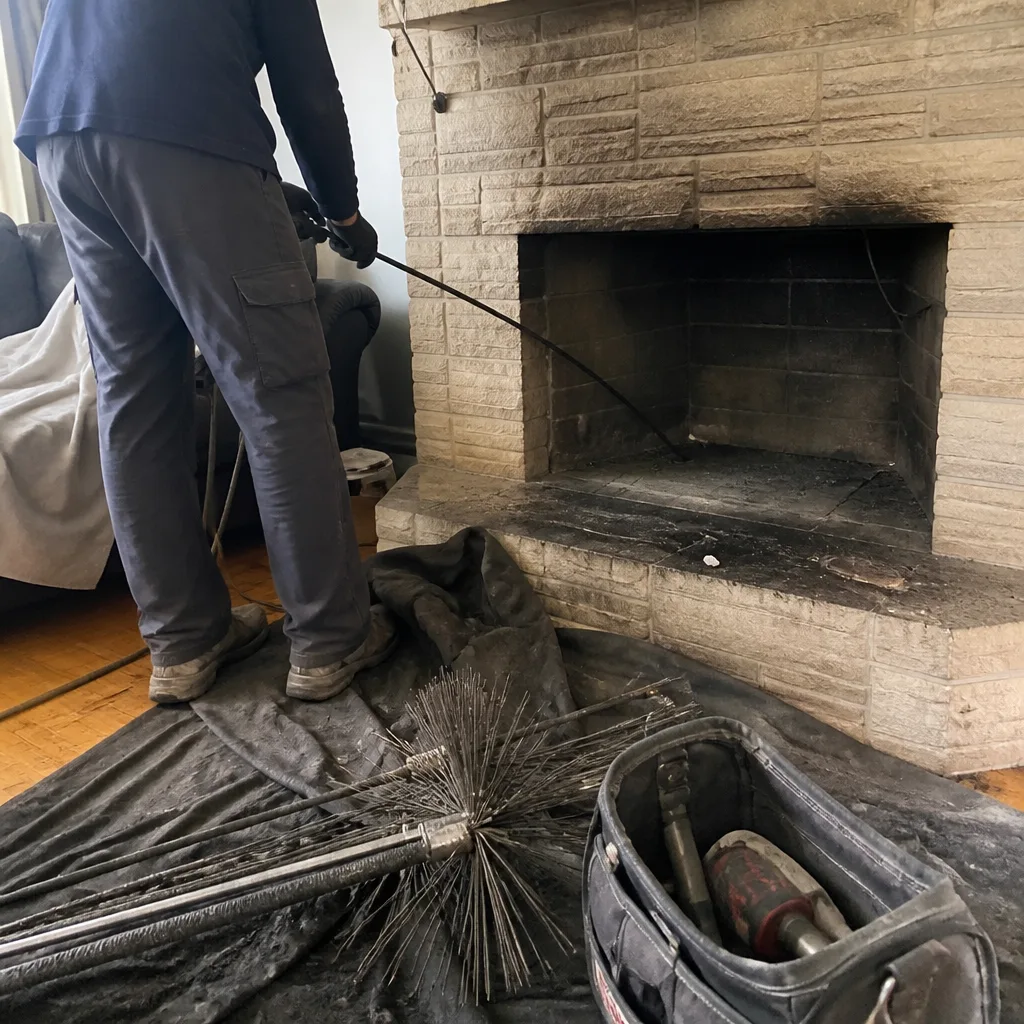 Before
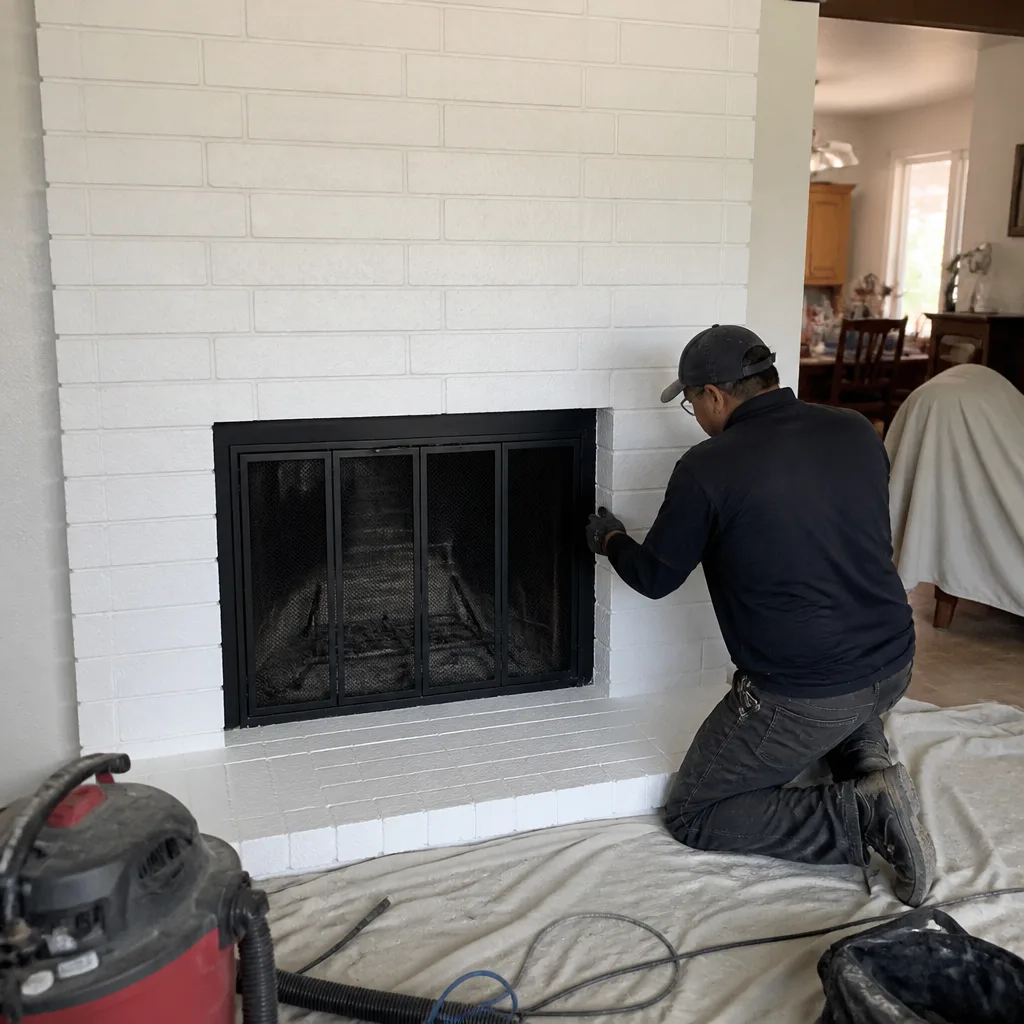 After
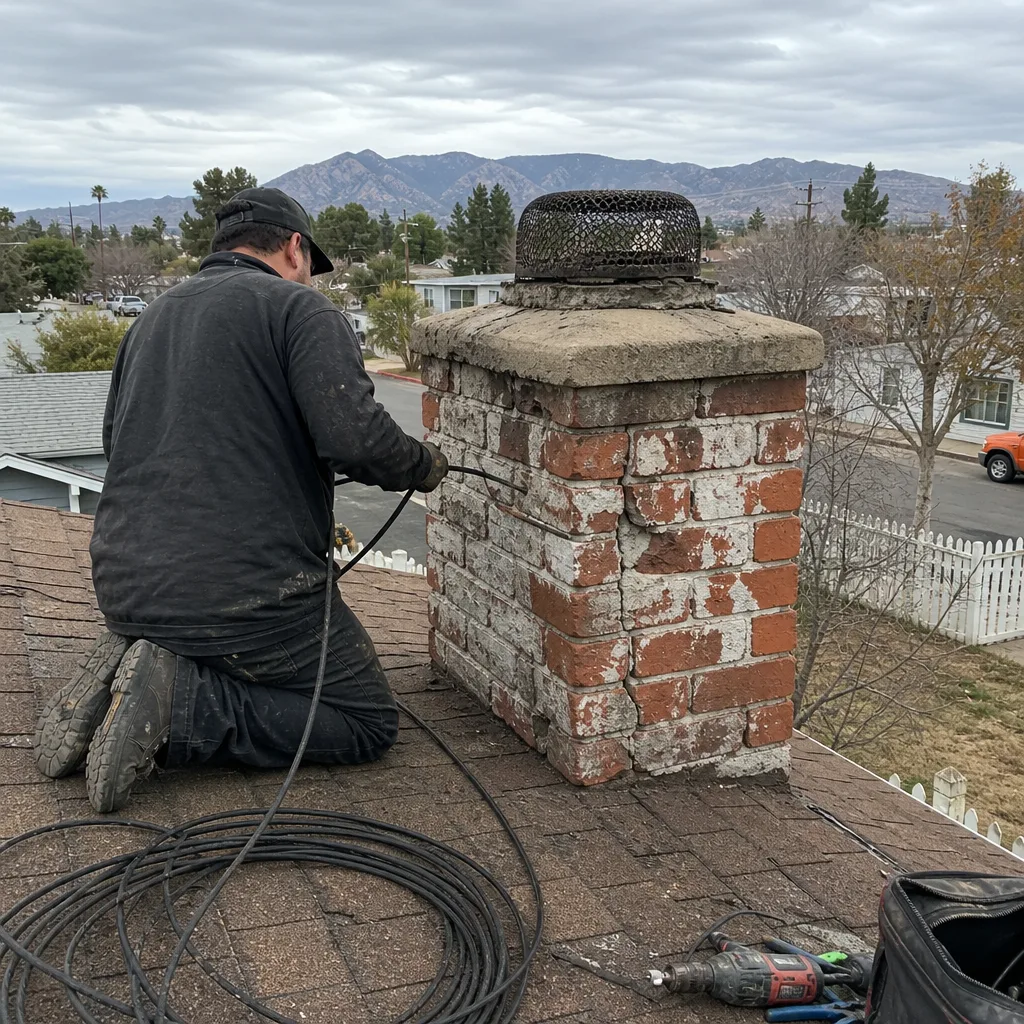 Before
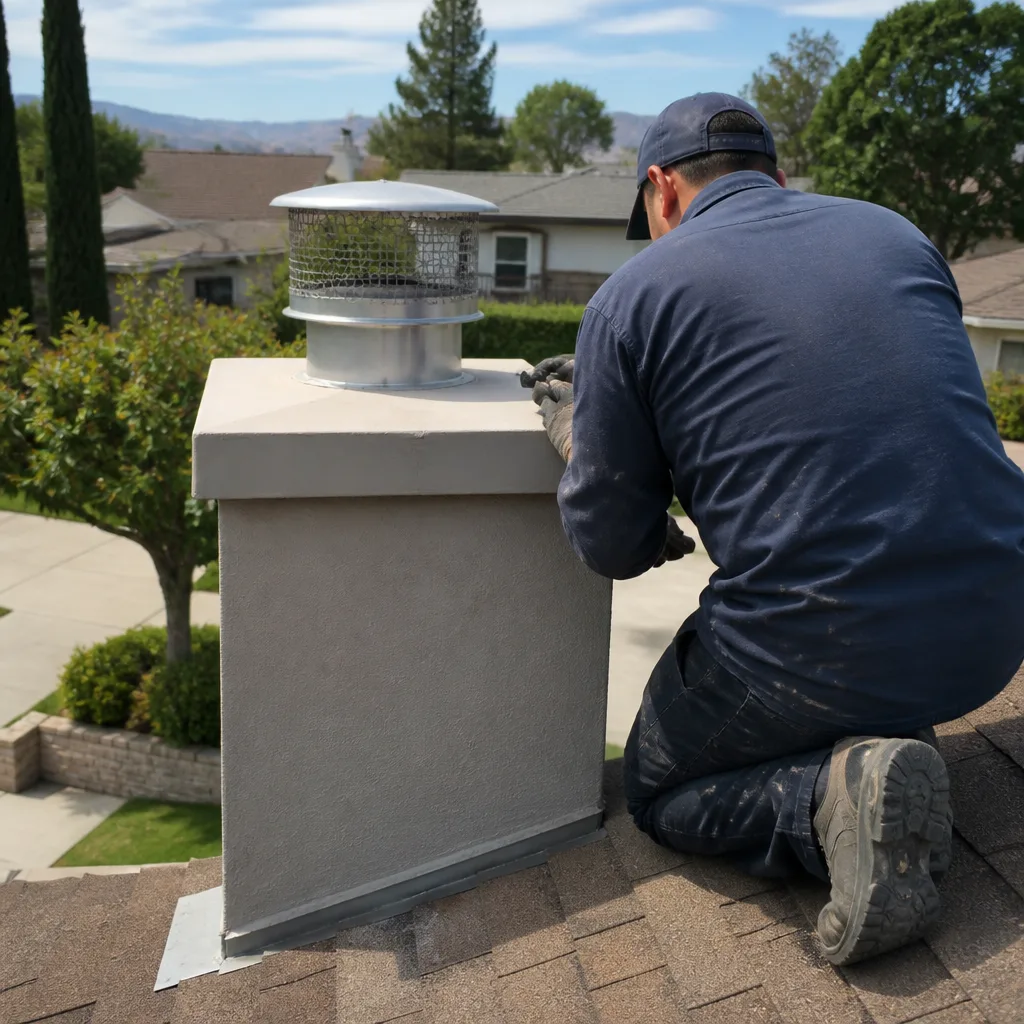 After
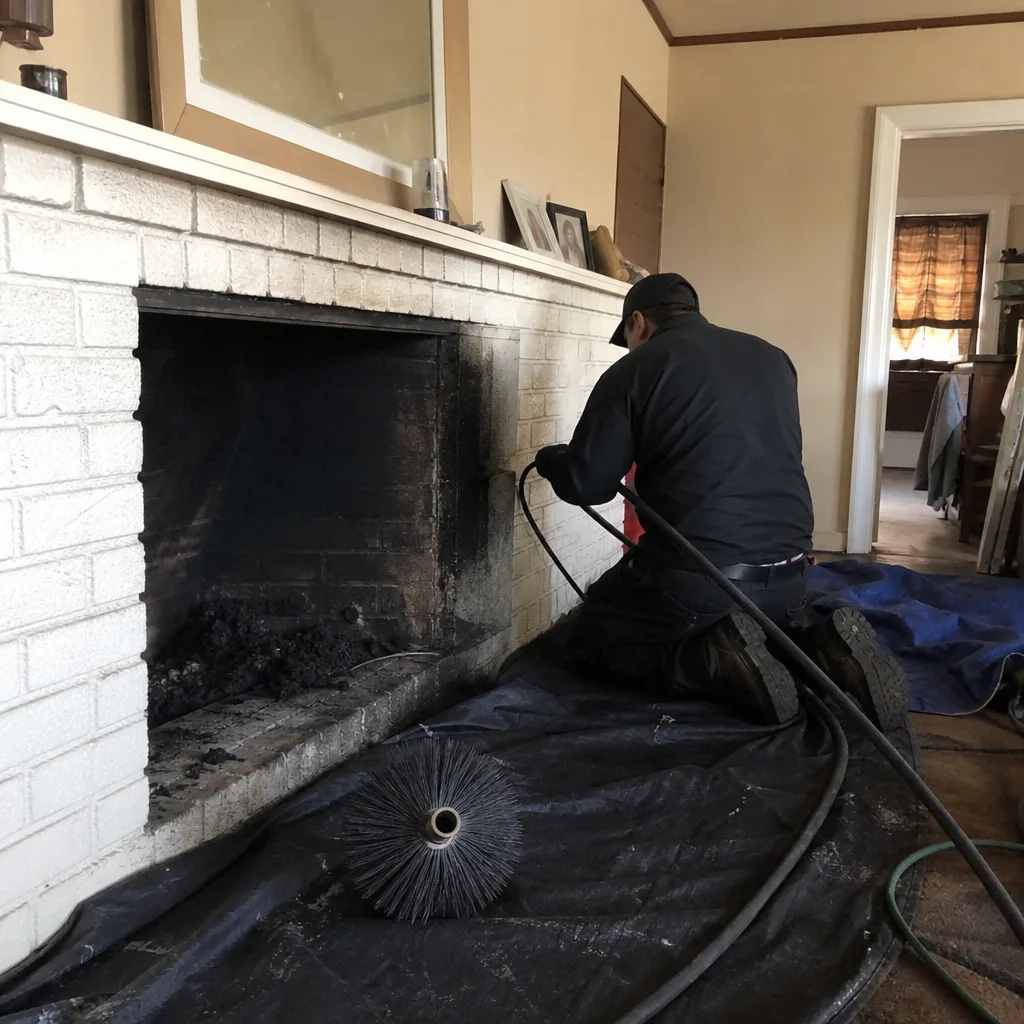 Before
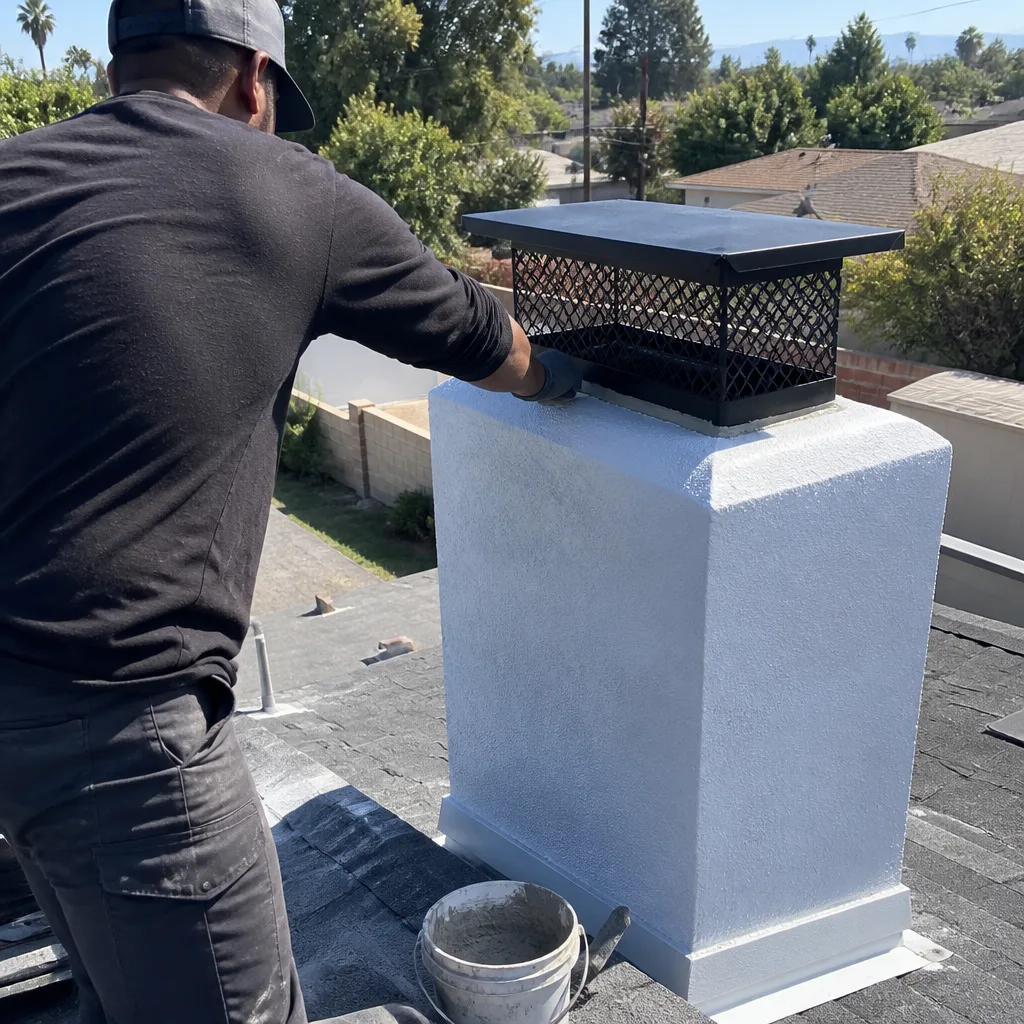 After