
Last updated October 30, 2026
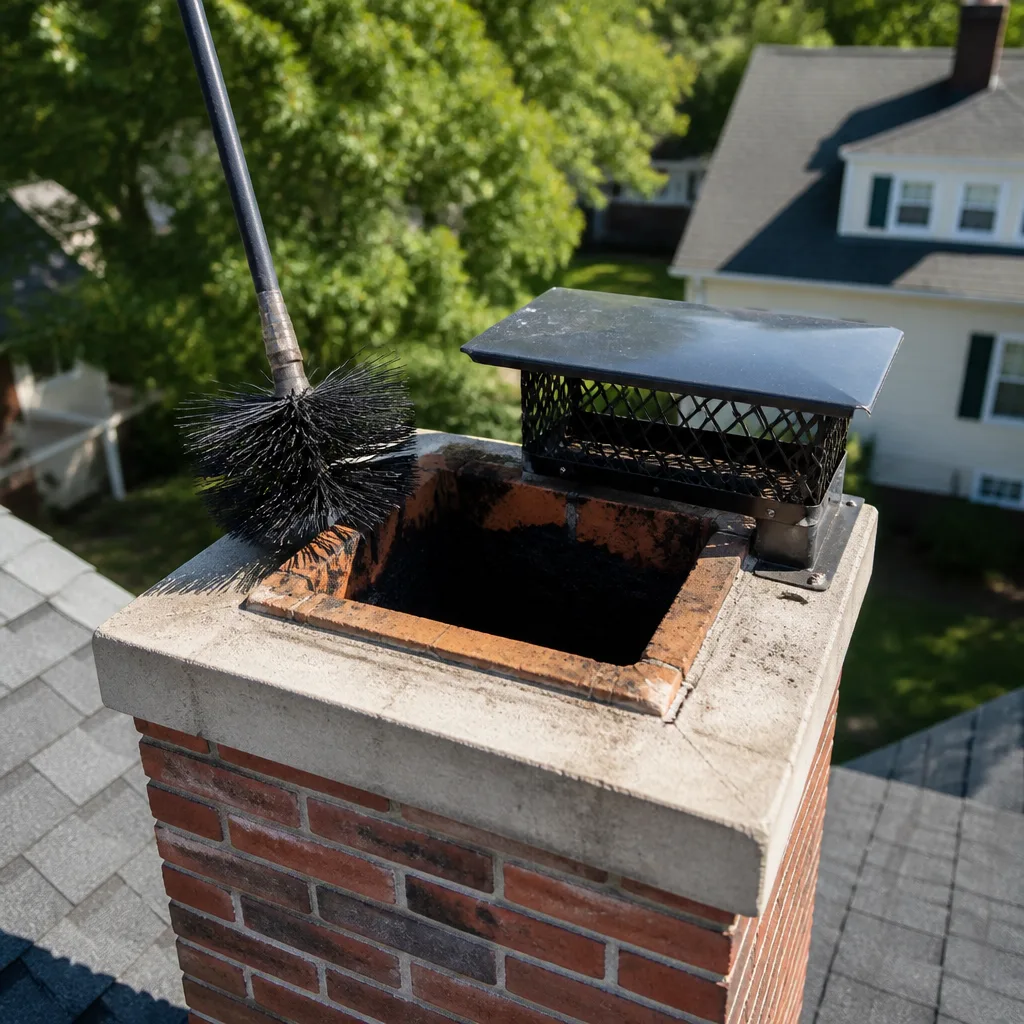 Sweep & inspection
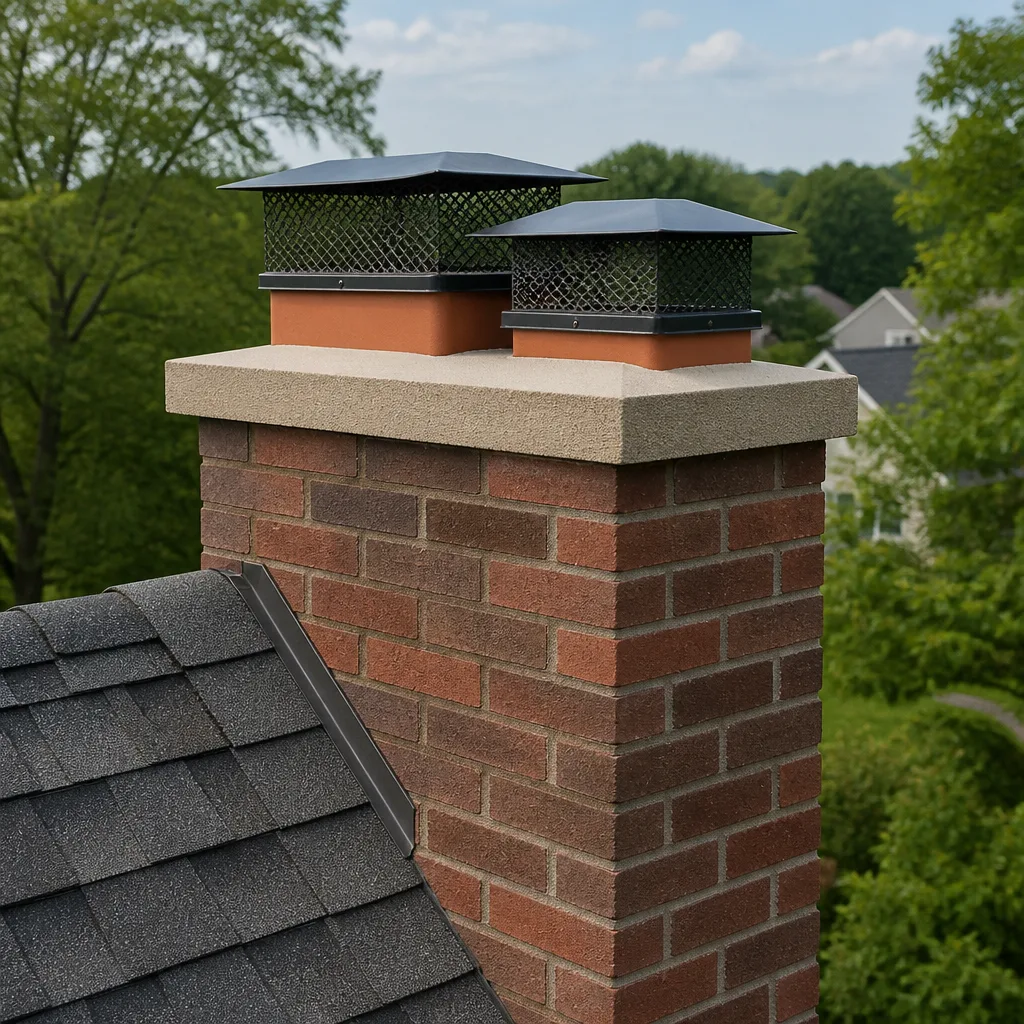 Caps & crowns
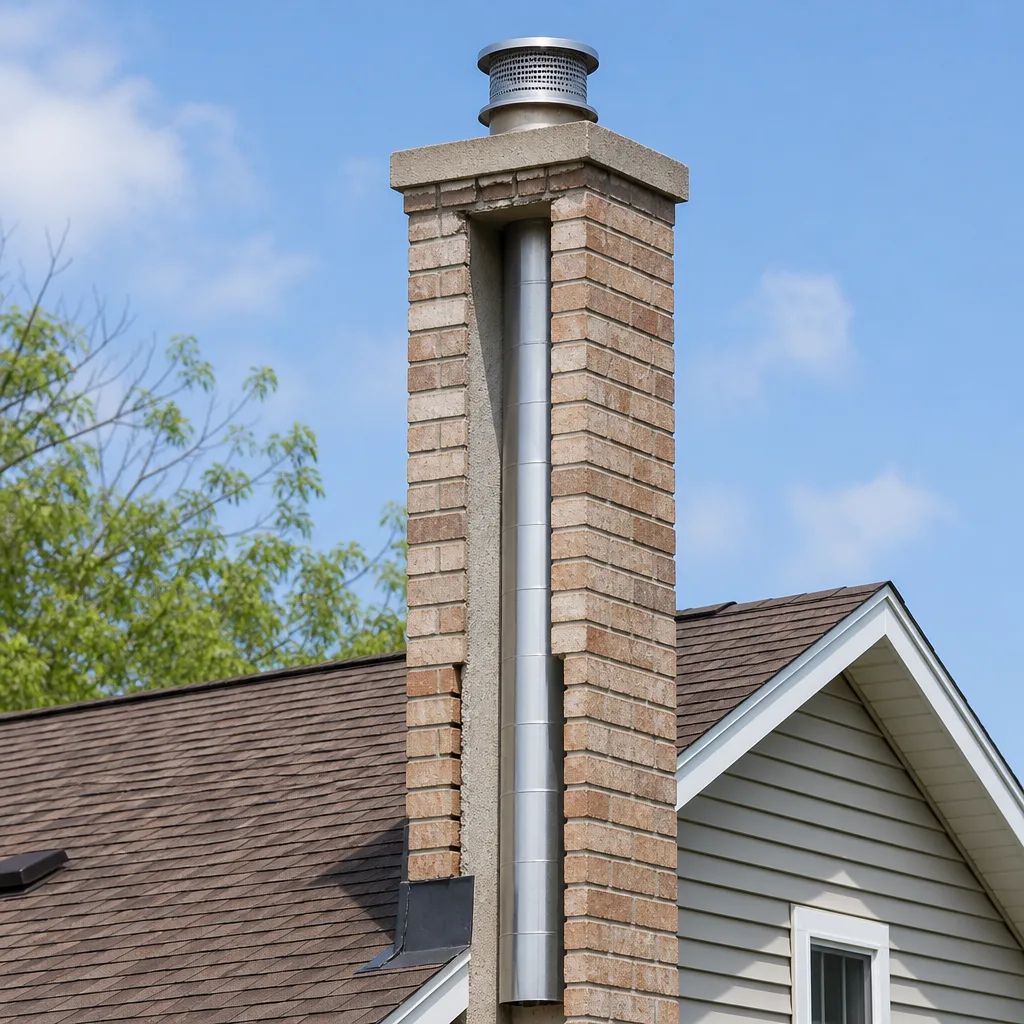 Flue relining
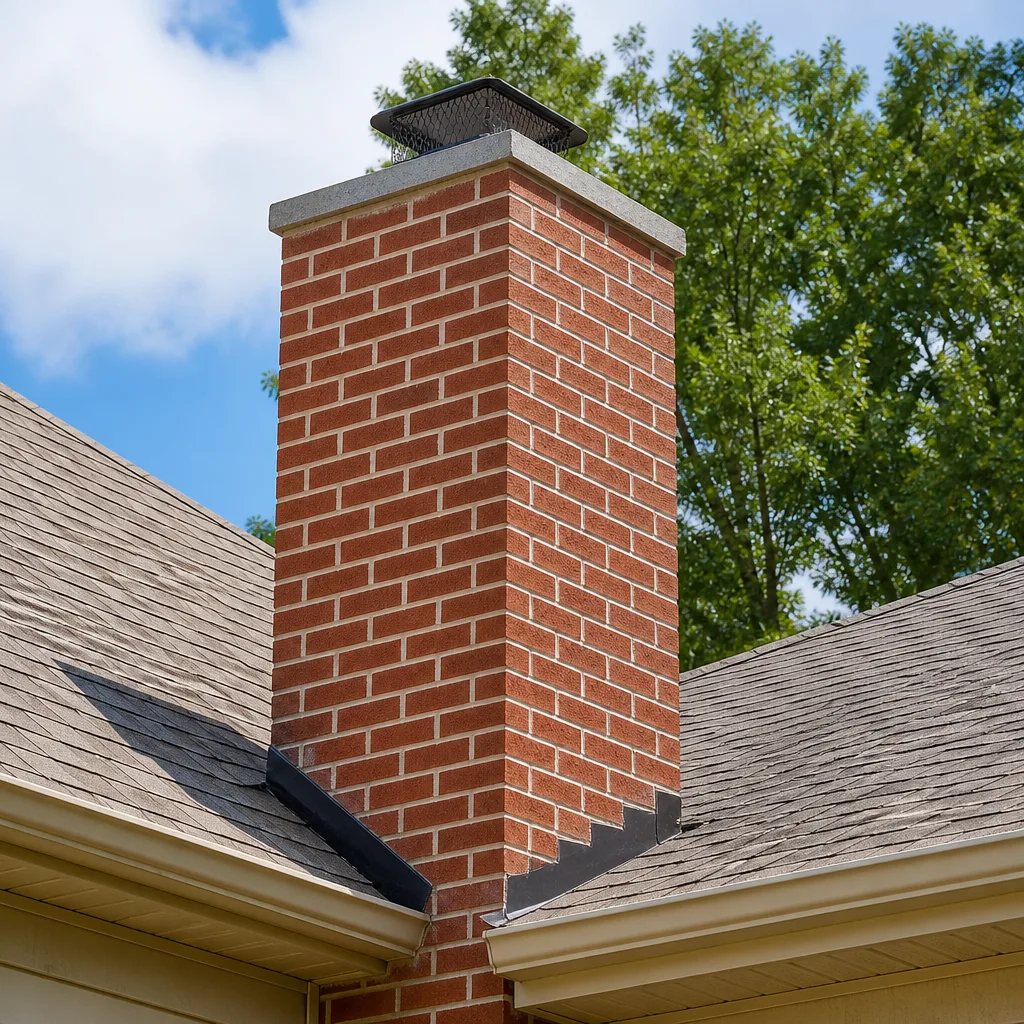 Masonry repair
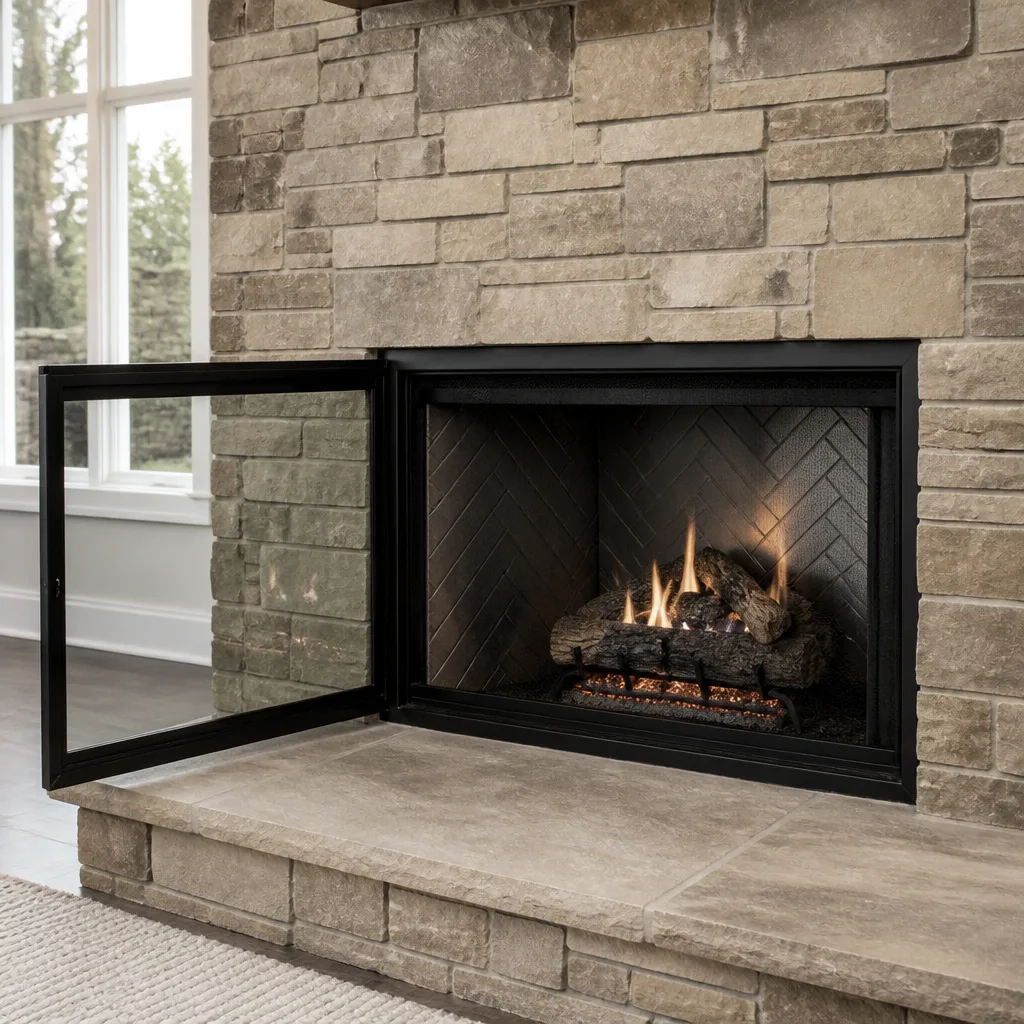 Gas fireplace service
Level 1 sweep and inspection to the NFPA 211 annual standard - flue, crown, cap, and flashing checked and photographed
Chimney sweep logs do not sweep chimneys. They loosen some creosote - which then falls where a brush and vacuum still have to collect it.
How to Hire a Chimney Cleaning Contractor in Pomona: A Step-by-Step Guide
California does not require a specific license to call yourself a chimney sweep. Anyone with a ladder, a brush, and a business card can legally offer chimney cleaning services in Pomona. That leaves the burden of vetting entirely on the homeowner, and most people don’t know what questions to ask until they’ve already paid for work that didn’t solve the problem. This guide gives you a framework for separating trained chimney specialists from brush-and-van operators before the job starts, with specific questions, red flags, and evaluation criteria tailored to the Pomona market. For more guides & resources, see our blog.
Styles & brands we work with
Quick Answer
To hire a chimney cleaning contractor in Pomona, verify CSIA certification independently through the Chimney Safety Institute of America’s online directory, require a written estimate with specific line items, confirm the contractor uses a camera inspection and provides a photo report, and ask what repair materials they stock for same-day fixes. A qualified sweep diagnoses and documents; they don’t just clean and leave. Expect to pay $179 – $349 for a standard sweep and inspection in Pomona.
Table of Contents
- Why Hiring in Pomona Is Different Than Most Cities
- What CSIA Certification Actually Means (And How to Verify It)
- Questions to Ask Before You Book: The Diagnostic Divide
- Red Flags Specific to the Pomona Market
- How to Read a Chimney Sweep Estimate
- Step-by-Step Hiring Process
- Why Materials Matter: What a Real Repair Capability Looks Like
- Common Mistakes to Avoid
- When to Call a Professional
- Frequently Asked Questions
- The Bottom Line
Why Hiring in Pomona Is Different Than Most Cities
Pomona sits in the San Gabriel Valley, where summer temperatures routinely climb past 90 degrees and winter nights dip into the 40s. That climate pattern creates a specific usage rhythm: fireplaces sit dormant for months, then get pressed into service during the short December-to-February burn season. Creosote accumulates during those off-seasons, especially in flues that weren’t cleaned before the previous burn season ended. We’ve seen chimneys in Pomona with three seasons of accumulated creosote because the homeowner simply forgot to book a cleaning in the fall. See our Seasonal Chimney Cleaning Care for Pomona: Year-Round Homeowner’s Guide to stay on track.
The second Pomona-specific factor is housing stock. Much of Pomona’s residential inventory dates to the 1940s through 1970s, with a significant number of masonry chimneys built before modern liner standards existed. Those older terra cotta liners crack over time, and the temperature swings between Pomona’s hot summers and cool winters accelerate that deterioration. A chimney that passed inspection five years ago may have developed liner gaps since. That’s why a visual sweep alone isn’t enough here, and why camera inspection matters more in Pomona than in newer housing markets.
The third factor is regulatory: California has no statewide licensing requirement for chimney sweeps, and Pomona’s municipal code follows suit. There’s no separate Pomona chimney sweep license, no city-mandated certification, no local inspection requirement before work begins. In practice, this means the difference between a trained specialist and someone who bought equipment last month is invisible until after the job is done, or worse, until you have a chimney fire or carbon monoxide leak.
What CSIA Certification Actually Means (And How to Verify It)
CSIA stands for the Chimney Safety Institute of America, the only nationally recognized credentialing body for chimney professionals in the United States. A CSIA Certified Chimney Sweep has passed a written examination covering chimney physics, fire codes, clearances, appliance venting standards, and inspection protocols. Certification requires ongoing continuing education credits to maintain, which means a CSIA-certified sweep in 2026 has been tested on current codes and practices, not standards from a decade ago.
What CSIA certification does not do: it does not guarantee the sweep will do thorough work, does not regulate pricing, and does not create any legal accountability for substandard service. It’s a floor, not a ceiling. In our experience, CSIA certification is the minimum you should accept in Pomona, but it’s not sufficient on its own. A certification card in a truck means someone passed a test at some point; it doesn’t tell you whether they use camera inspection equipment, whether they stock repair materials, or whether they’ll hand you a written report when they’re done.
Here is how to verify CSIA certification independently, without relying on the contractor’s word:
- Go to csia.org and use the “Find a Certified Sweep” search tool. Enter “Pomona, CA” and a search radius. The directory will list certified professionals with their certification status and expiration date.
- Write down the sweep’s CSIA certification number. Every certified sweep has one. A legitimate company will provide this number without hesitation. If they stall, deflect, or say they’re “working on” certification, treat that as a hard stop.
- Call CSIA directly at their main office number if you want final confirmation. The organization verifies credential status over the phone.
- Ask the company how recently their technicians completed continuing education. CSIA requires CE credits, and a company whose technicians are current on those credits is engaged with the trade, not coasting on an old exam score.
In Pomona specifically, we recommend requiring CSIA certification at minimum, and then layering additional questions on top of it. The certification tells you the person understands chimney safety principles. It doesn’t tell you whether they’ll apply those principles to your specific flue.
Questions to Ask Before You Book: The Diagnostic Divide
Here’s the core difference between a sweep that diagnoses and one that just sweeps: a diagnostic company asks questions about your specific system before quoting a price, and a sweep-only company quotes a flat rate over the phone without asking anything. The questions below are designed to reveal which type you’re dealing with.
“Do you use a camera as part of your inspection?”
A chimney sweep without a camera is operating blind. The first 10 to 15 feet of flue are visible from the top and bottom, but the middle section, where liner damage most often occurs, requires a camera to inspect. In Pomona’s older chimneys, liner cracks frequently develop in the middle third of the flue, exactly where neither end is visible. If a company says they “visually inspect” without a camera, you’re paying for a partial diagnosis. A qualified chimney sweep in Pomona uses a camera as standard equipment, not as an add-on.
“What report do I receive after the work?”
This question separates professionals from laborers. A real chimney company provides a written inspection report after a sweep, typically with photos from the camera inspection, notes on what was found, and recommendations prioritized by urgency. That report is your documentation if you later need to file an insurance claim or prove maintenance history when selling your Pomona home. If the answer is “I’ll tell you what I find,” that’s a red flag. Verbal findings are not a report, and they’re worthless when you need documentation.
“What materials do you stock for same-day repairs?”
This is the question that reveals whether you’re dealing with a diagnostic-and-repair company or a sweep-only operation. A company that carries professional-grade repair materials on its trucks can resolve common findings the same day: cracked flue tiles, damaged caps, missing rain pans. A sweep-only company will find the problem, tell you about it, and leave. You then start a second search for a repair contractor, pay a second diagnosis fee, and wait for a second appointment. A company that stocks materials like professional-grade liner components, ceramic resurfacing systems, and manufacturer-grade caps can fix what they find in one visit.
Our Chimney Sweep in Pomona service includes camera inspection and a written photo report on every visit, not just when problems are suspected.
Red Flags Specific to the Pomona Market
Pomona’s housing stock and demographics make it a target for specific chimney scam patterns. Here are the red flags we hear about most often from homeowners who call us after a bad experience.
The Unusually Low Flat Rate That Drops Further On-Site
A $59 or $79 chimney sweep special is a fishing lure. The economics don’t work: a legitimate sweep in Pomona takes 45 to 90 minutes on-site, requires professional equipment, and involves meaningful liability. No trained professional can operate profitably at that price. What happens is predictable: the $79 sweep discovers “urgent” liner damage requiring a $4,000 reline, or the price drops to $49 once the truck is in your driveway and then fees get added for “extra creosote,” “roof access difficulty,” or “unexpected repairs.” If the price drops once they’re on-site, the original price was never honest.
The Hard Liner Replacement Upsell on an Intact System
This is the most damaging scam in Pomona’s chimney market. A sweep finds a hairline crack or minor spalling during inspection and tells the homeowner the entire flue needs relining at a cost of $4,000 to $8,000. Sometimes that’s true. Often it isn’t. We’ve re-inspected Pomona chimneys where the previous company recommended full relining, and the actual condition warranted ceramic resurfacing, a much less invasive repair that restores liner integrity without tearing out the old flue. The way to protect yourself: require photo evidence of the damage, get a second opinion if the quote exceeds $2,000, and ask whether the company offers resurfacing as an option. A company that only offers full relining may be maximizing revenue rather than matching the repair to the actual condition.
The No-Questions-Asked Flat Quote
A legitimate chimney company in Pomona asks what type of appliance you have, when your last inspection occurred, and how often you use your fireplace before quoting a price. These questions affect the scope of work: a gas fireplace has different cleaning requirements than a wood-burning fireplace, an unused chimney may need a different inspection approach than a heavily used one, and a chimney that hasn’t been inspected in 15 years carries more unknowns. If a company quotes a price without asking any of these questions, they’re not pricing your actual chimney. They’re pricing a generic service call.
The Vanishing Warranty
Ask what warranty comes with the work, and get it in writing. A sweeping service itself doesn’t carry a meaningful warranty, but repair work should. If a company installs a cap, a liner component, or does resurfacing work, the materials manufacturer typically offers a warranty, and the installation workmanship should carry one too. In Pomona, where summer heat and winter moisture stress chimney components, a no-warranty repair quote is a signal to walk away.
How to Read a Chimney Sweep Estimate
A chimney sweep estimate in Pomona should look like a real scope of work, not a single-line price. For a detailed Chimney Cleaning Cost Breakdown: The Pomona Homeowner’s Reference for 2026, see our dedicated guide. Here’s what should appear, and what its absence tells you.
Line items that should always be present:
- Sweep service: clearly defined as a Level 1 or Level 2 sweep (Level 2 includes camera inspection; Level 1 is visual only and is not sufficient for a chimney that hasn’t been inspected in 12+ months).
- Inspection component: camera or video inspection, with a note that photos will be included in the written report.
- Report: a stated deliverable of a written report, not a verbal summary.
- Disposal and clean-up: creosote and debris removal from the firebox and surrounding area, including any roof debris generated during access.
- Access fees: roof access, ladder setup, or safety equipment if your Pomona home has a steep or multi-story roof line.
What their absence signals:
- No camera inspection line item: the company does visual-only work, which misses the section of flue where Pomona’s older chimneys most often fail.
- No written report deliverable: you’re paying for labor with no documentation, which leaves you unprotected if a problem surfaces later or if you sell your home and need maintenance records.
- No clean-up or disposal line: either they’re hiding that cost as a surprise add-on, or they don’t plan to clean up, which means creosote dust in your living space.
- A single bundled price with no breakdown: you can’t evaluate what you’re actually paying for, and you can’t compare it fairly against other Pomona estimates.
A proper estimate in Pomona should itemize these components in the $179 to $349 range for a standard Level 2 sweep and inspection of a single-flue masonry chimney. Gas fireplace service runs on the lower end; multi-flue chimneys, steep roof access, or heavy creosote buildup push toward the upper end. If your quote falls below $150, refer back to the red flags section above.
If repairs are recommended, the estimate should include photos of the specific issue, a written explanation of why the repair is needed, and a clear statement of what happens if you defer the work. A company that recommends repairs without photo evidence is asking you to trust their diagnosis blindly. A company that can show you the problem on camera is building trust through transparency. If you need Chimney Repair in Pomona, the same diagnostic principle applies: no photos, no work authorization.
Step-by-Step Hiring Process
Here’s the complete hiring sequence, from first contact to completed job, with specific actions at each step. This is the process we recommend to any Pomona homeowner who wants to get it right the first time.
Step 1: Build Your Candidate List
- Search the CSIA directory for certified sweeps serving Pomona. Start with a 15-mile radius and expand if needed. Write down certification numbers.
- Ask neighbors, local Facebook groups, and Pomona-specific community forums for recommendations. Personal referrals from people with similar housing stock are worth more than generic five-star reviews.
- Look at each company’s website for evidence of diagnostic capability: do they mention camera inspections, written reports, and repair capabilities, or just “chimney cleaning”?
- Check whether they list the specific brands of materials they use. A company that names its material suppliers is signaling a repair capability. A company that only says “quality materials” is not.
Step 2: Phone Screening
- Call each candidate and ask the three diagnostic questions from the section above: camera use, written report, and stocked repair materials.
- Ask how long the company has been operating in Pomona specifically. Longevity in the local market means they’ve survived on referrals, not one-time cold calls.
- Ask what happens if they find a repair issue during the sweep. The answer should be: they show you the camera footage, explain the issue, and give you a written quote. If the answer is “we’ll let you know what we find” without specifics, that’s a sweep-only operation.
- Request a ballpark quote, but don’t commit to a price over the phone. A professional will give a range and then confirm after seeing the chimney.
Step 3: Written Estimate
- Require the estimate in writing, either before the appointment or on-site before work begins. Verbal quotes are not enforceable and invite surprise add-ons.
- Check the estimate against the line-item checklist in the section above. Missing camera inspection, missing written report, missing clean-up: all non-negotiable.
- If repairs are proposed, require photo evidence in the estimate. No photos, no repair authorization. This is the single most effective protection against unnecessary liner replacement upsells in Pomona.
Step 4: Work Day
- Expect the sweep to take 45 to 90 minutes for a standard single-flue chimney. Faster is not better; a 20-minute sweep means cuts were made somewhere.
- Expect to see camera equipment. If they don’t bring a camera, they weren’t honest during screening.
- Expect a written report at the end, with photos and prioritized recommendations. Not a verbal summary. A document.
- Expect the work area to be clean: drop cloths used, no creosote dust left on furniture, no debris on the roof or in the yard.
Step 5: Post-Job Follow-Up
- File the written report with your home maintenance records. If you sell your Pomona home, that report is documentation that the chimney was professionally maintained.
- Schedule your next sweep. For a wood-burning fireplace used regularly during burn season, that’s annually. For occasional use, every other year may be sufficient.
- If repairs were recommended and you’ve deferred them, set a reminder to revisit the decision before the next burn season. Deferred repairs don’t get better with time.
Why Materials Matter: What a Real Repair Capability Looks Like
Most Pomona homeowners don’t realize that chimney repair materials come in two distinct tiers: professional-supply brands and consumer hardware-store products. The difference matters more than most people assume.
Professional chimney restoration contractors specify materials from suppliers like Olympia Chimney and use liner systems like DuraFlex, a flexible stainless steel standard in the restoration trade. These materials are engineered for specific flue dimensions, rated for specific temperature ranges, and designed to integrate with existing masonry chimneys in ways that generic alternatives are not. They’re not sold at retail home centers. A contractor either has access to these supply networks or they don’t.
This matters in Pomona for two reasons. First, the city’s older housing stock means repairs are frequently needed, not just cleaning. Second, the temperature swings and occasional heavy rain exposure in the San Gabriel Valley stress chimney components year-round. A hardware-store cap or patch may last a season or two. A manufacturer-grade component from a supplier like Gelco is engineered for decades of exposure.
There’s also an intermediate repair option that many Pomona homeowners don’t know exists: ceramic resurfacing systems like HeatShield. In eligible chimneys, HeatShield can restore liner integrity by ceramically resurfacing the interior of a damaged flue, without the cost and disruption of full relining. This is a significant option that sweep-only companies cannot offer, because it requires specific training, certification, and material access. A company that only offers full relining or nothing is not showing you the full range of options. Our Lantern Chimney Sweep home page details our full diagnostic and repair capability, including ceramic resurfacing for eligible Pomona chimneys.
The practical takeaway: when you’re evaluating a chimney contractor in Pomona, ask what materials they use by name. The answer tells you whether you’re dealing with a company that operates in the professional supply ecosystem or one that shops the same aisles you do.
Common Mistakes to Avoid
- Hiring on price alone. The cheapest chimney sweep in Pomona is almost certainly not doing Level 2 camera inspections, not providing written reports, and not stocking repair materials. You’re paying less for less diagnostic thoroughness, which means you may be paying again later for a repair that should have been caught sooner.
- Skipping the CSIA verification. Taking a company’s word that they’re “certified” without checking the CSIA directory is the equivalent of hiring a contractor without checking references. The directory lookup takes three minutes.
- Accepting a verbal report. If a sweep tells you “everything looks good” but provides no written report, you have exactly zero documentation if something goes wrong next burn season. Insist on the document.
- Authorizing repair work without seeing camera evidence. This is how Pomona homeowners end up paying $5,000 for a liner replacement on a chimney that needed a $400 cap or a ceramic resurfacing application. No photos, no authorization.
- Treating chimney cleaning as optional annual maintenance. Creosote buildup is the leading cause of chimney fires, and Pomona’s burn season is short enough that chimneys often go two or three years between cleanings without the homeowner noticing. By the time creosote is visible from the hearth, it’s been building for a long time.
- Ignoring the dryer vent. While you’re evaluating chimney contractors, consider whether the same company can inspect and clean your dryer vent. Dryer lint is a leading residential fire hazard, and a company that handles both can address two fire risks in one visit. Our Dryer Vent Cleaning in Pomona service covers this as part of a whole-home combustion safety check.
- Waiting until November to book. Pomona’s burn season starts in December, and the weeks before it are peak booking time for chimney sweeps. Book in August or September, when schedules are open and you can get the appointment time you want rather than whatever’s left.
When to Call a Professional
You should call a chimney professional in Pomona if you’ve used your fireplace for a full burn season without a cleaning, if you’ve moved into a home and don’t know the chimney’s service history, if you smell smoke or musty odors coming from the fireplace when it’s not in use, or if you notice visible creosote buildup, cracked masonry, or a damaged cap. These are all indicators that a diagnostic inspection is warranted, not just a sweep. If you hear animals in the chimney, see water staining on the ceiling near the flue, or experience smoke backing into the room during use, those are priority issues that should be addressed before the next burn. Review our Chimney Cleaning Emergency Preparedness Guide for Pomona Homes for urgent scenarios. Lantern Chimney Sweep offers free estimates in Pomona, call (855) 341-8132 to schedule.
Frequently Asked Questions
A standard Level 2 chimney sweep with camera inspection in Pomona typically costs between $179 and $349 for a single-flue masonry chimney, with variables including roof access difficulty, creosote buildup severity, and whether the home has multiple flues. Gas fireplace service runs toward the lower end of that range. Quotes below $150 should raise the red flags discussed earlier. Call (855) 341-8132 for an exact quote, estimates are free.
If you burn wood in your Pomona fireplace during the winter season, yes. The National Fire Protection Association recommends annual inspection and cleaning as needed for all chimneys, fireplaces, and vents, and wood-burning systems that see regular use typically need cleaning every 1 to 2 cords of wood burned. If you use your fireplace only occasionally or have a gas appliance, every other year may be sufficient, but an annual camera inspection is still the safest standard for Pomona’s older housing stock.
A Level 1 inspection is a visual check of the readily accessible portions of the chimney, appropriate when the system has been recently inspected and no changes have occurred. A Level 2 inspection adds camera scanning of the entire flue interior and is required when a property changes hands, when a system has malfunctioned, or when a chimney has not been inspected in 12 months or more. Most Pomona homes need Level 2 at least once, and we recommend it as the standard for any home whose chimney service history is unknown.
It depends on the company. A sweep-and-repair company that stocks professional-grade materials on its trucks can often resolve common findings immediately: cap replacement, flashing repair, minor masonry sealing, and in some cases ceramic resurfacing. A sweep-only company will identify the problem and refer you elsewhere. Ask before booking whether the company stocks repair materials for same-day fixes.
Creosote accumulates on the flue walls with every wood fire. Creosote is flammable, and when it builds to a thickness of 1/8 inch or more, it becomes a realistic chimney fire risk. Chimney fires can reach 2,000 degrees Fahrenheit, hot enough to crack liners, damage masonry, and spread to the home’s structure. Additionally, a blocked or partially blocked flue can force carbon monoxide back into the living space, which is odorless and potentially fatal. The risks are real, not hypothetical, and they apply to Pomona’s homes just as much as anywhere else.
California does not mandate a chimney inspection as a condition of sale, but many home inspectors include a visual chimney check in their general inspection, and mortgage lenders sometimes flag chimney concerns in older Pomona homes. If an inspection identifies issues, the buyer may request a Level 2 camera inspection and repairs as a condition of closing. Having a recent Level 2 report from a certified sweep in hand before listing your Pomona home can accelerate the sale and preempt negotiation delays. Call (855) 341-8132 if you’re preparing a Pomona home for sale and want to address chimney concerns before listing.
The Bottom Line
Hiring a chimney cleaning contractor in Pomona comes down to one principle: verify capability before you authorize work. Check CSIA certification independently. Require camera inspection and a written photo report. Ask what materials the company stocks for same-day repairs, and listen to whether they ask questions about your specific system before quoting a price. The difference between a trained specialist and a brush-and-van operator is invisible unless you know what to look for. Now you do. Pomona’s older chimneys, short burn season, and complete lack of state licensing requirements make this vetting framework more important here than in most markets. Do the screening, get the documentation, and your chimney will be ready for every burn season that comes.
Written by the team at Lantern Chimney Sweep, serving Pomona since 2013.
See the difference
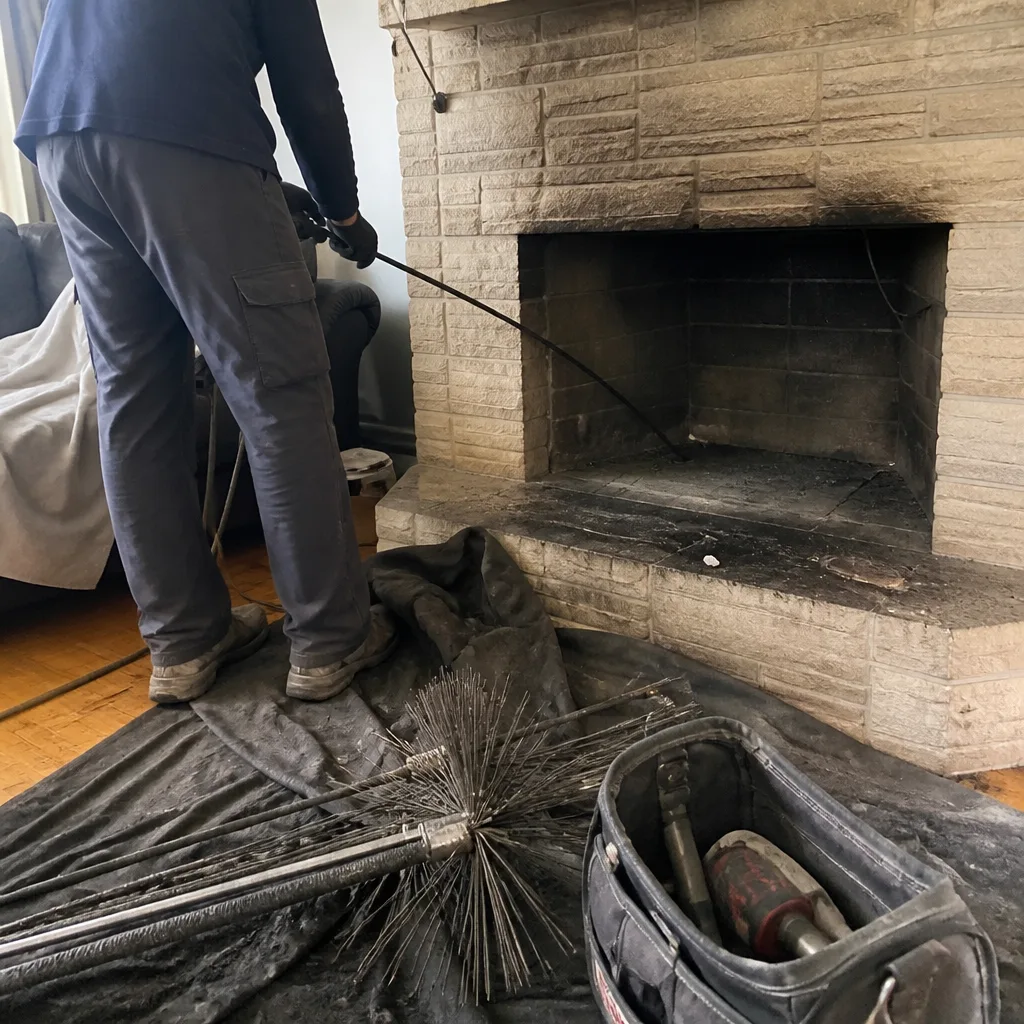 Before
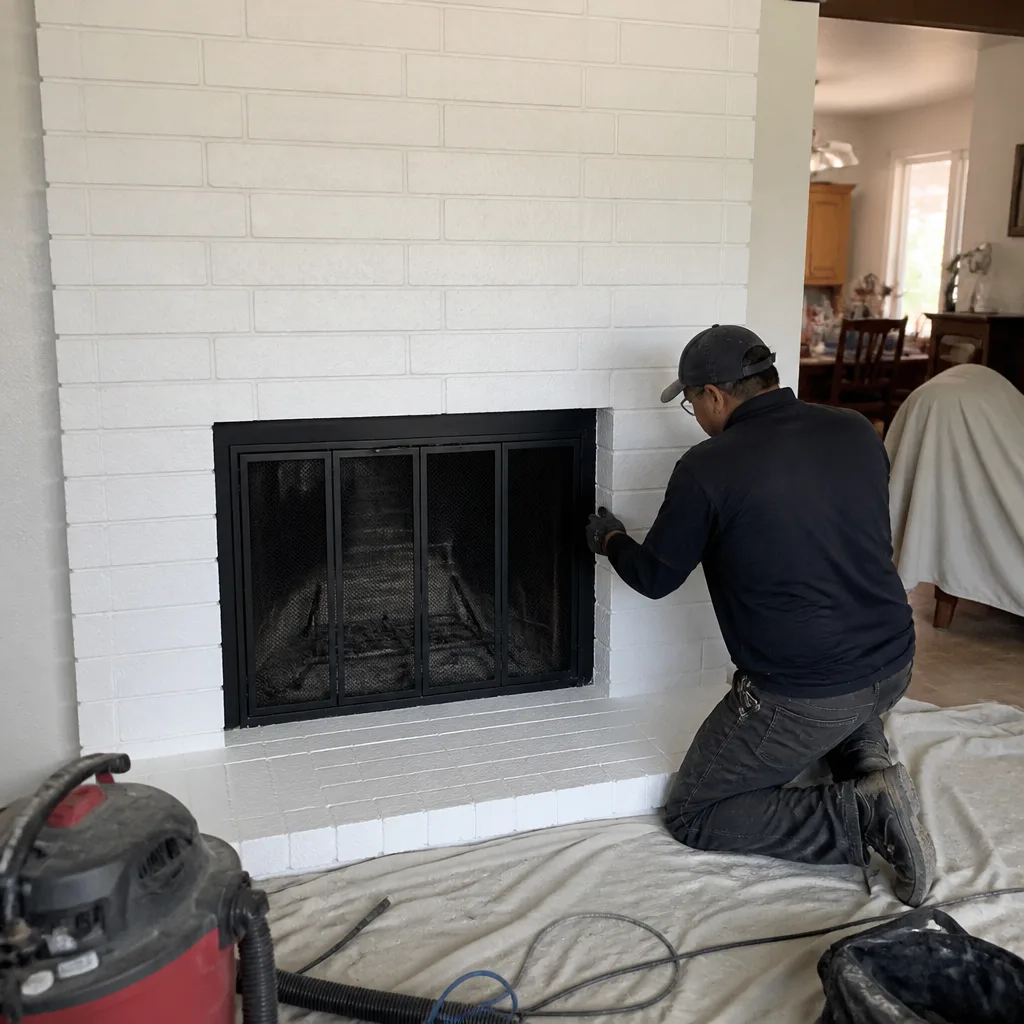 After
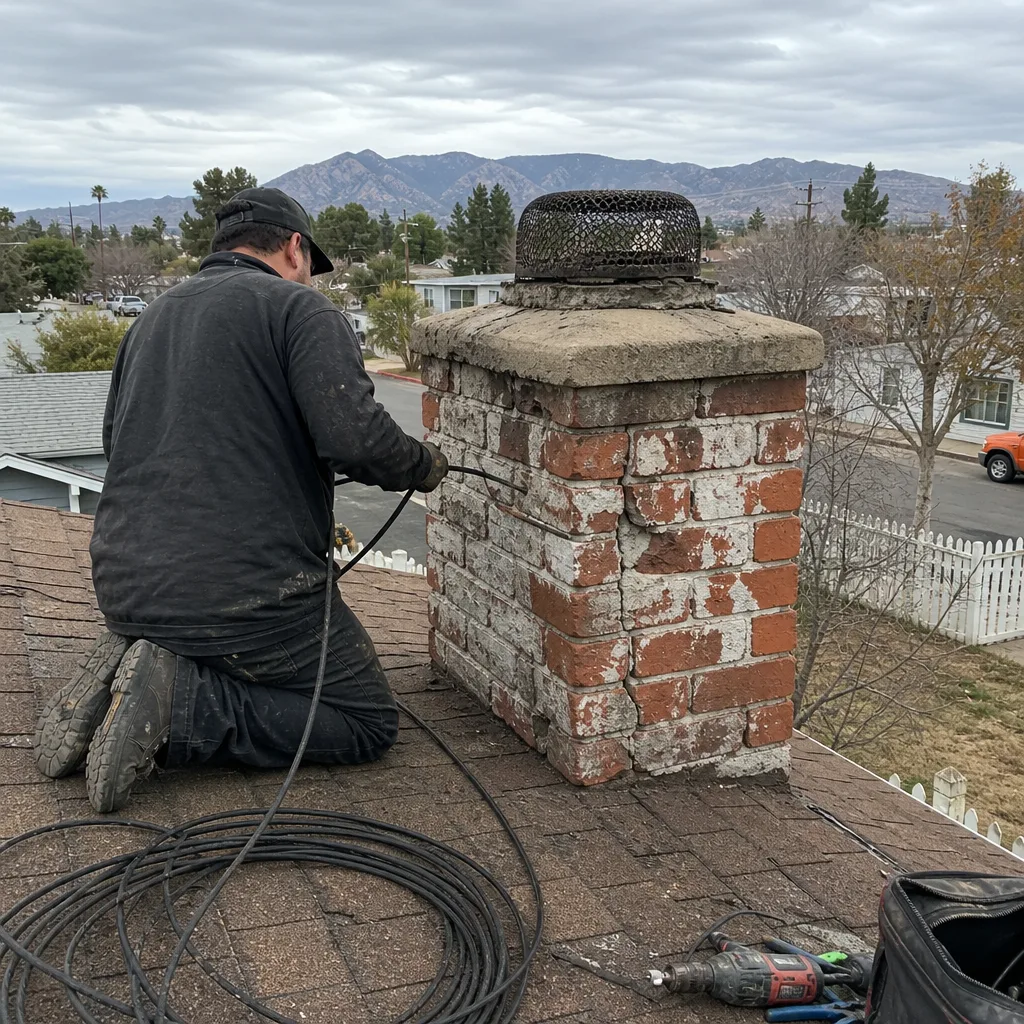 Before
 After
 Before
 After