
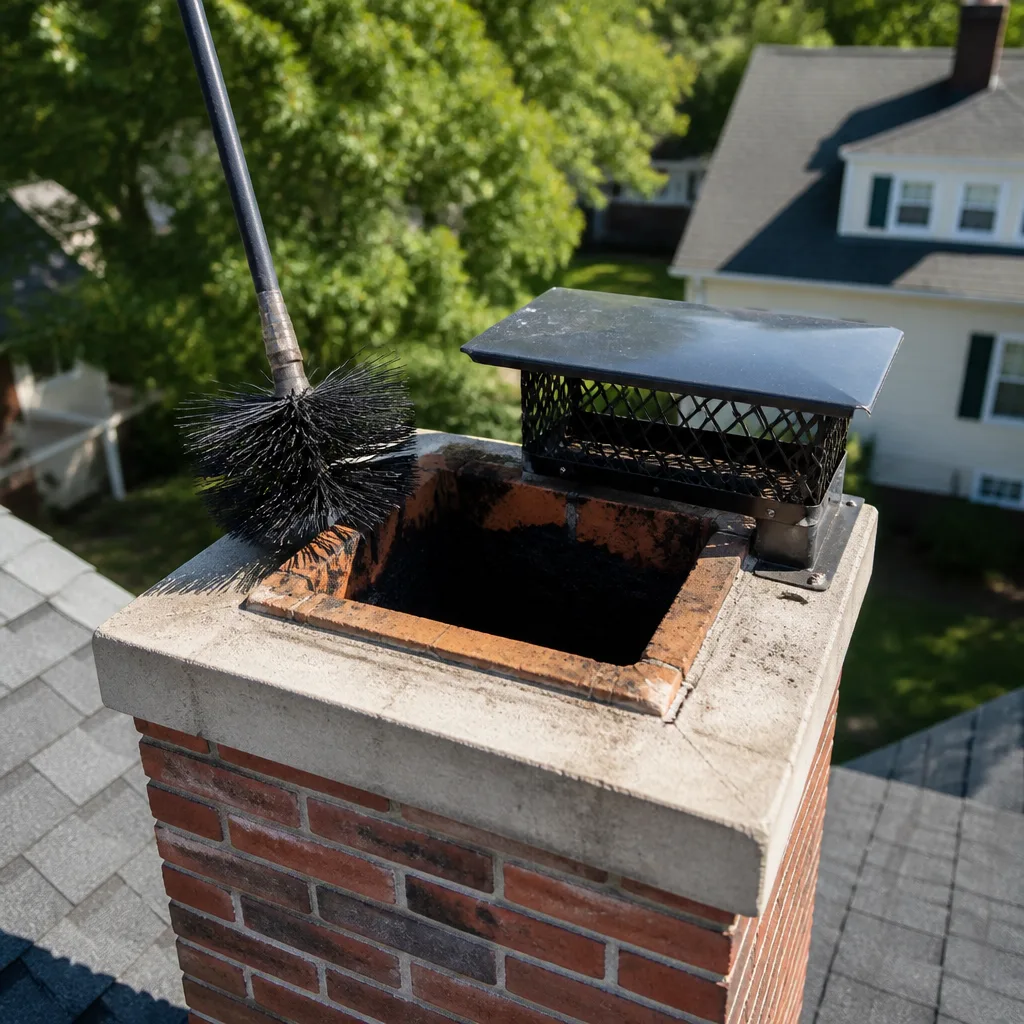
 Sweep & inspection
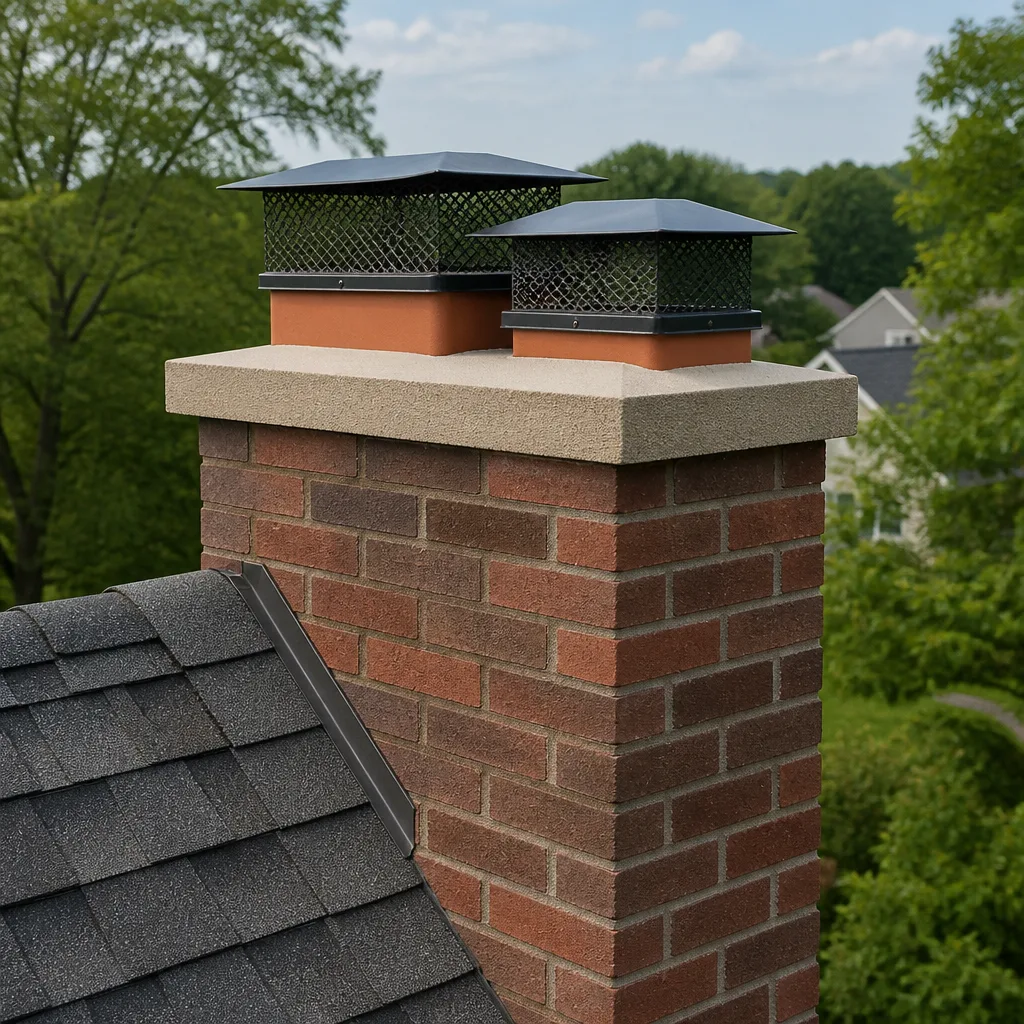 Caps & crowns
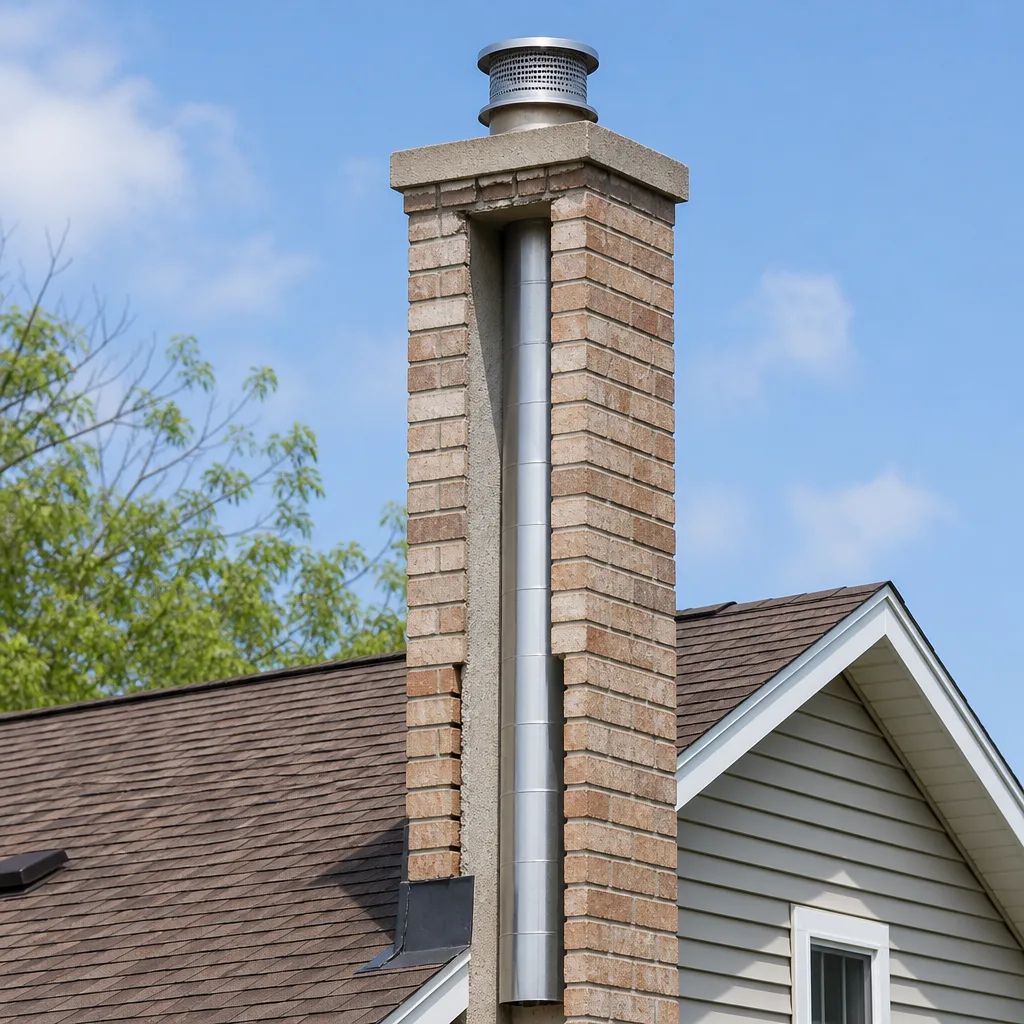 Flue relining
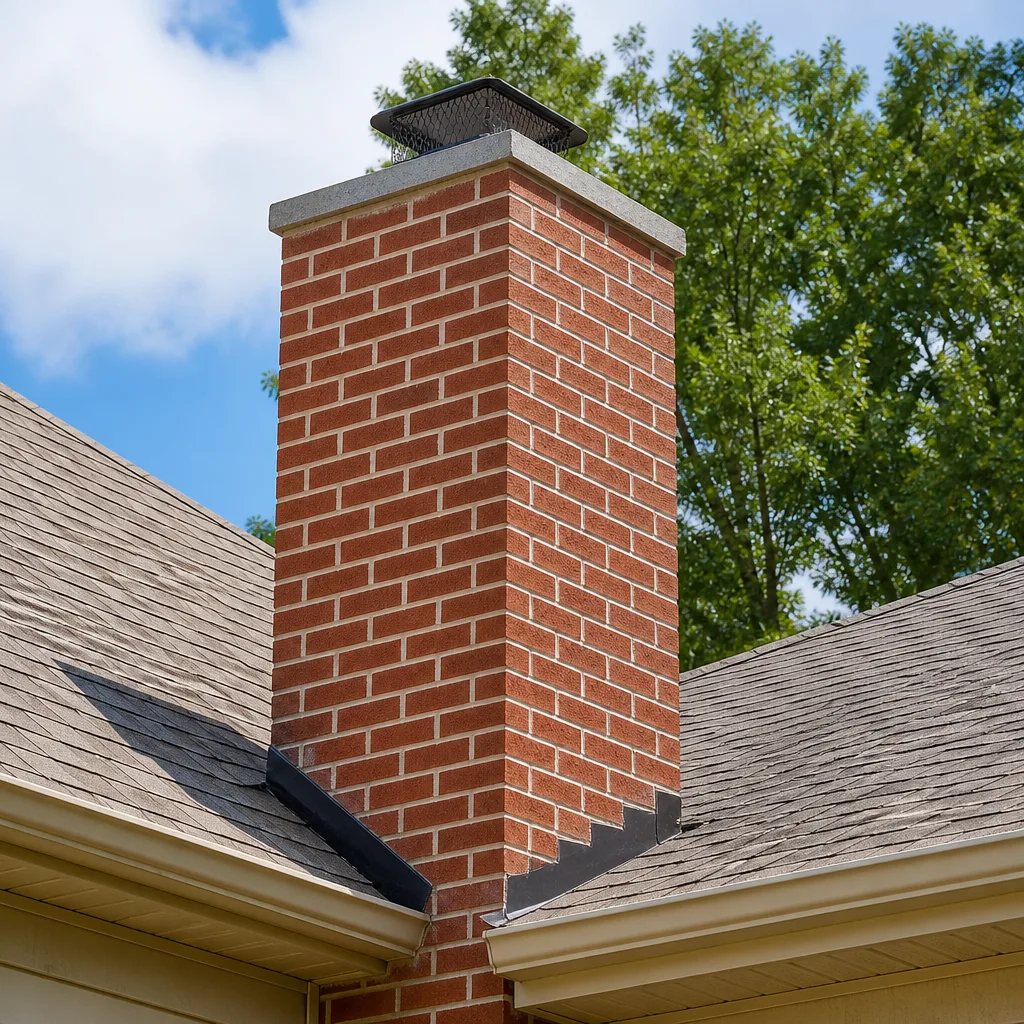 Masonry repair
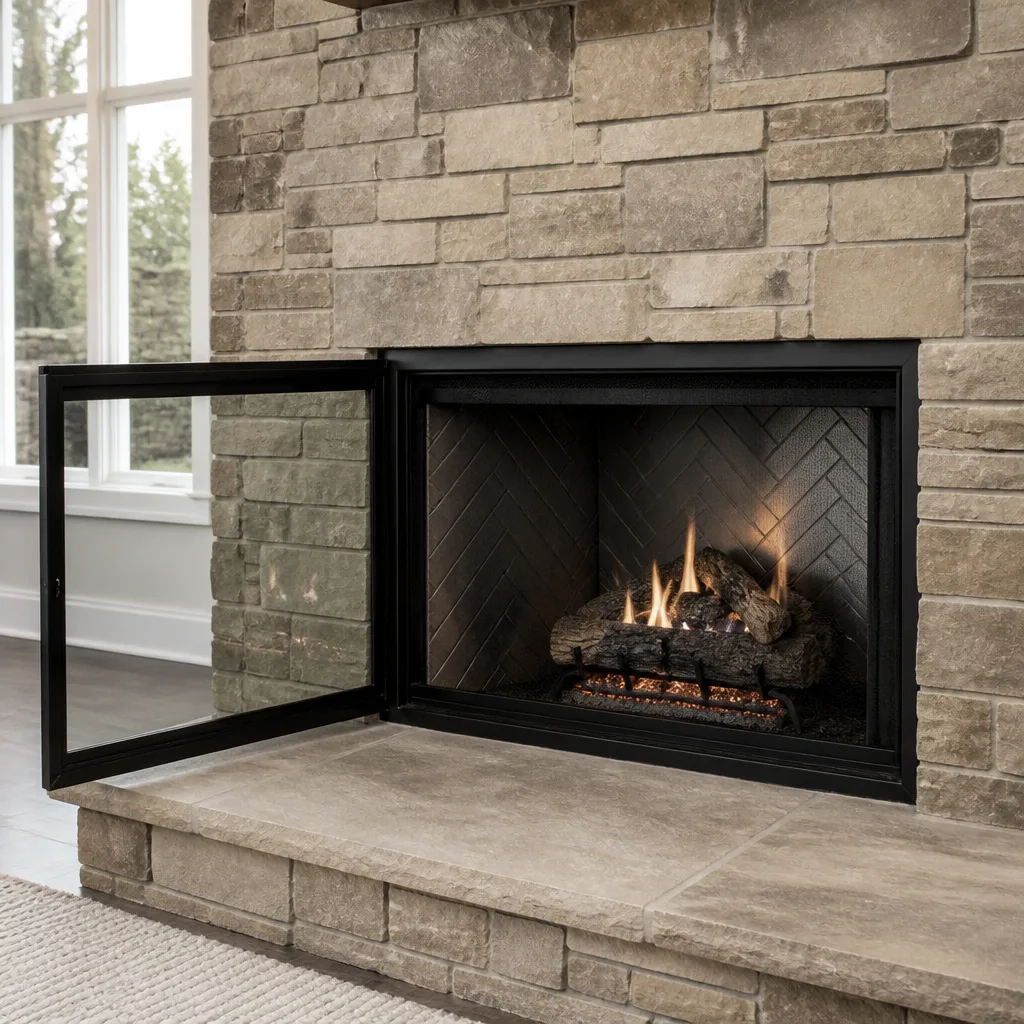 Gas fireplace service
Level 1 sweep and inspection to the NFPA 211 annual standard - flue, crown, cap, and flashing checked and photographed
Chimney sweep logs do not sweep chimneys. They loosen some creosote - which then falls where a brush and vacuum still have to collect it.
Styles & brands we work with
See the difference
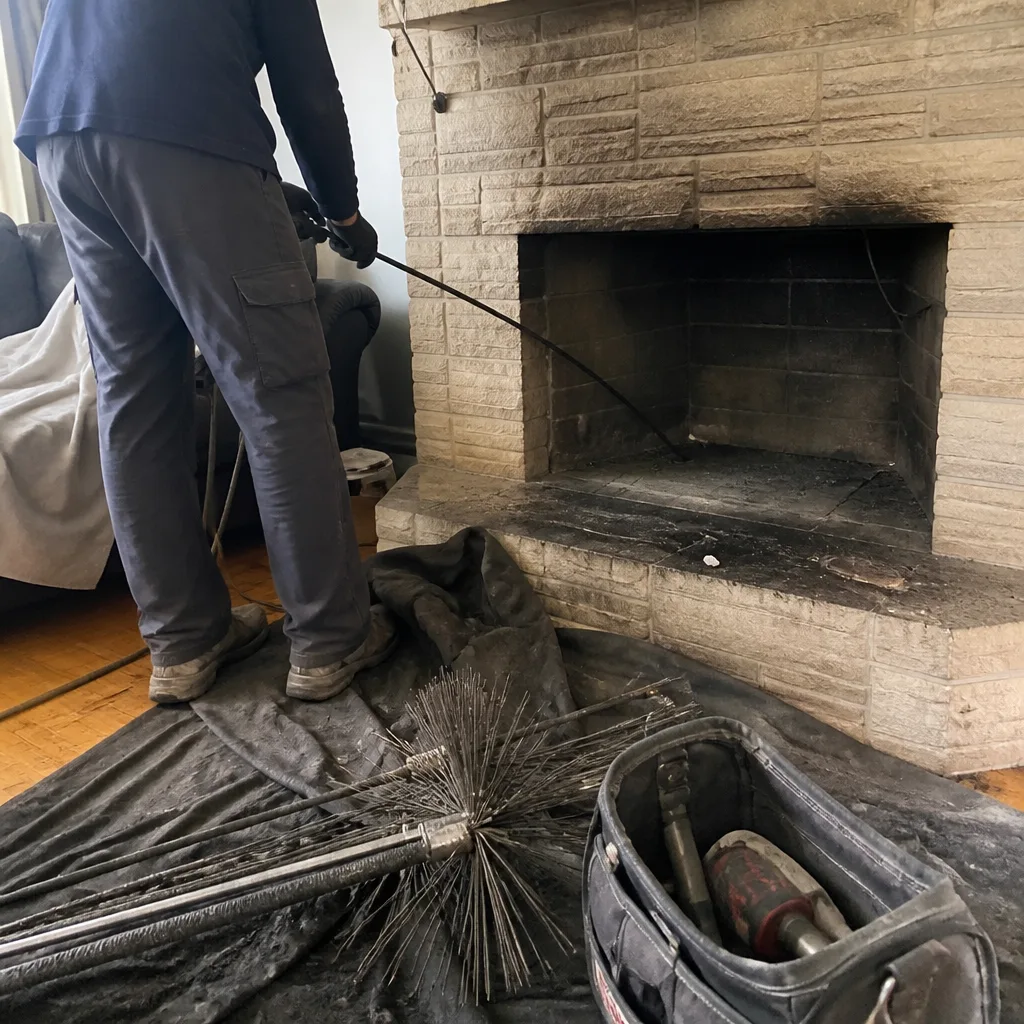 Before
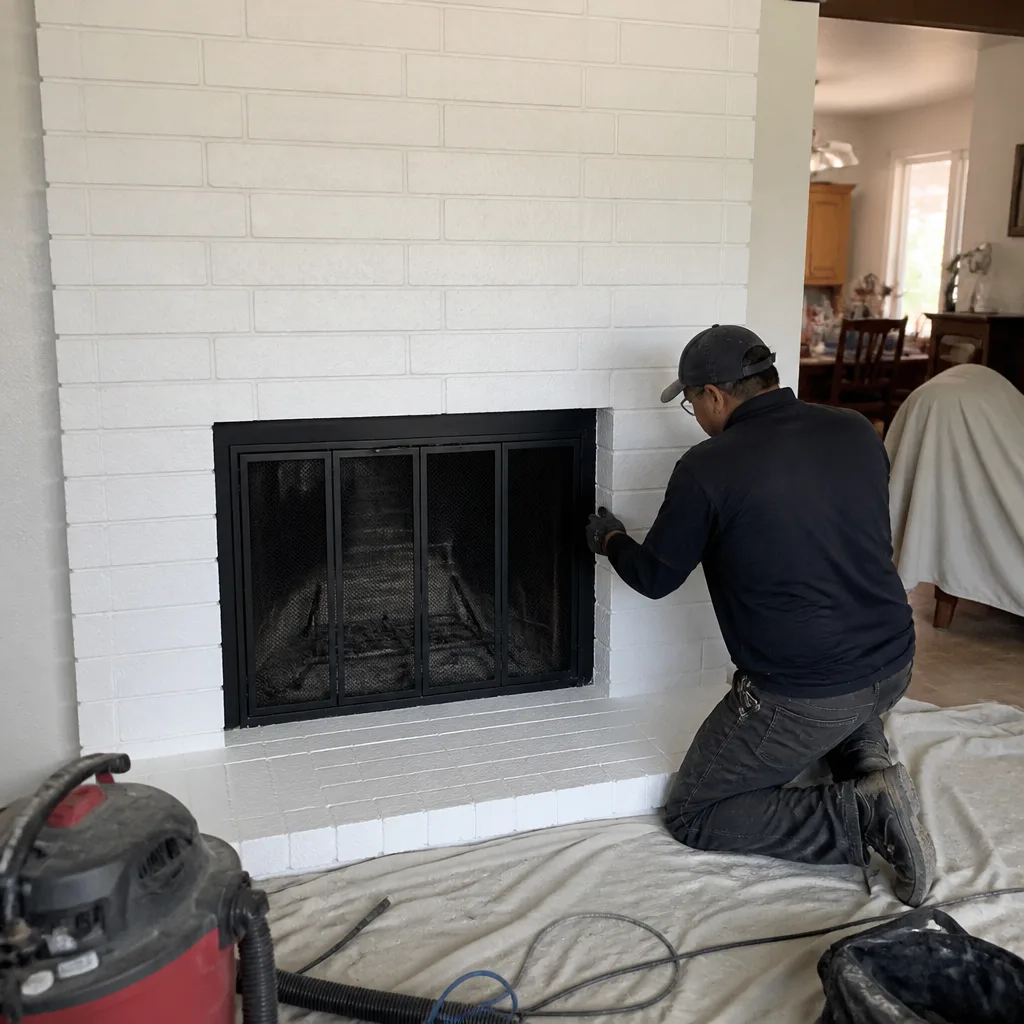 After
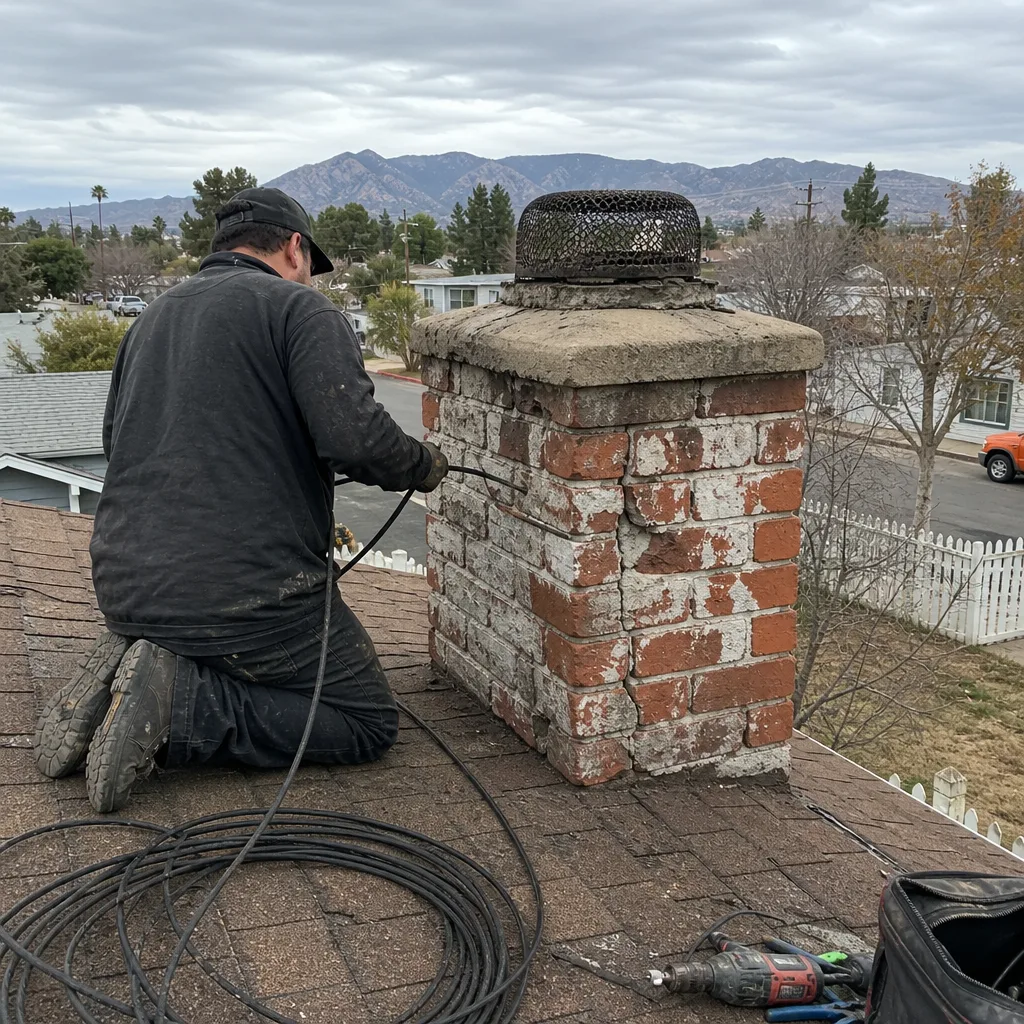 Before
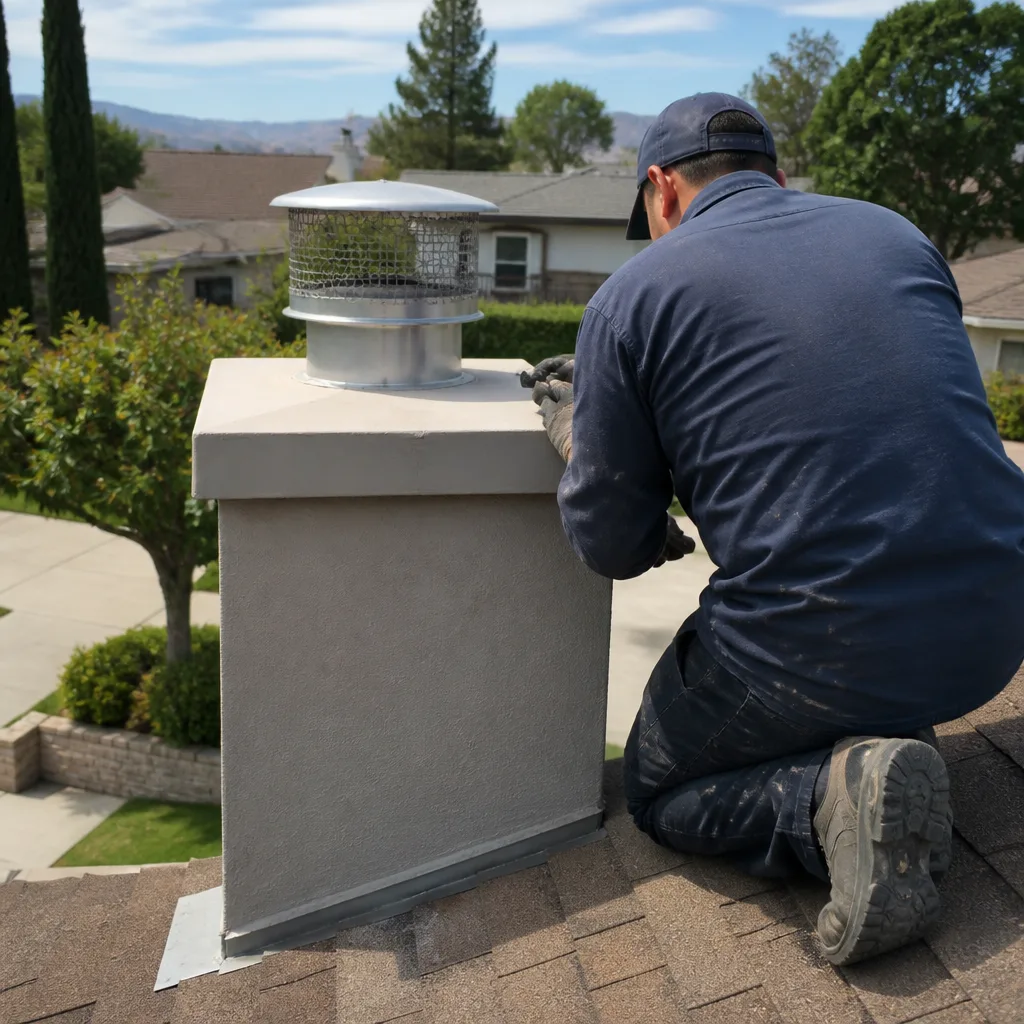 After
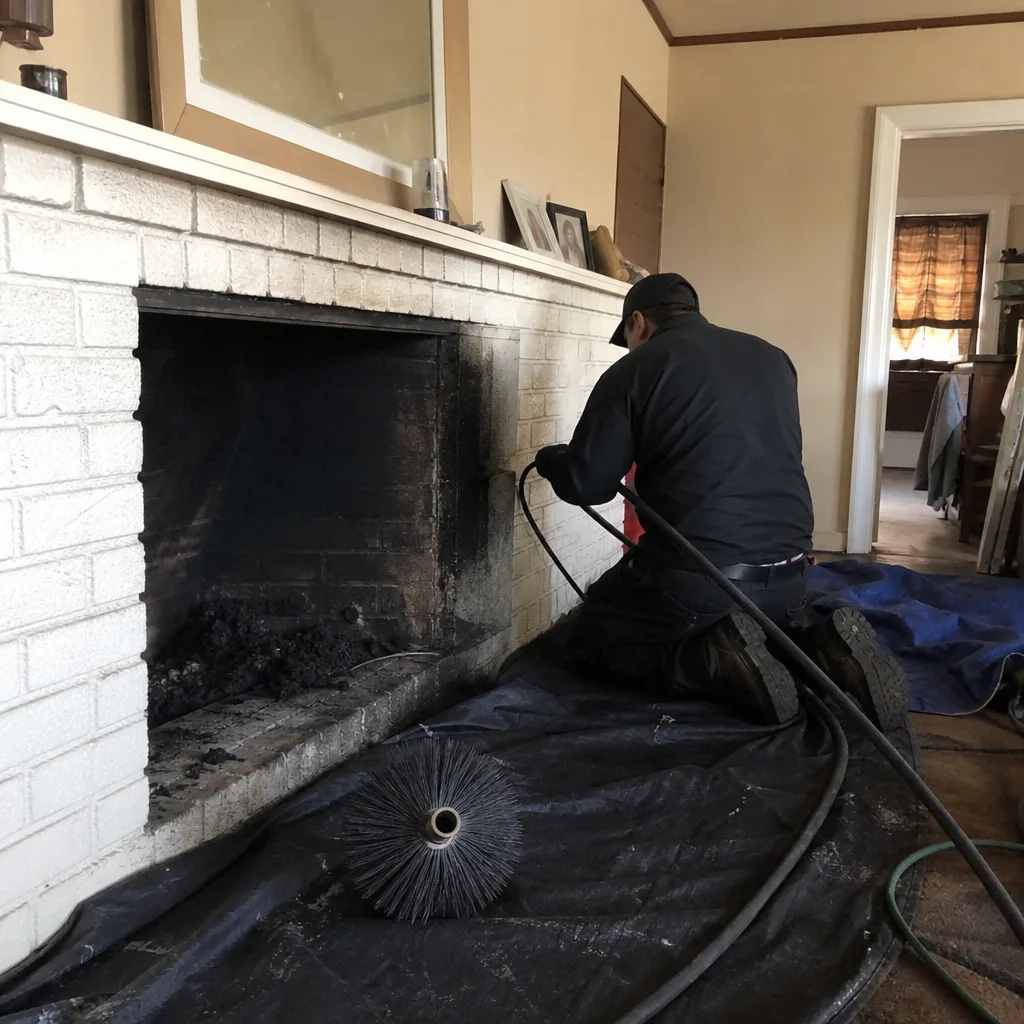 Before
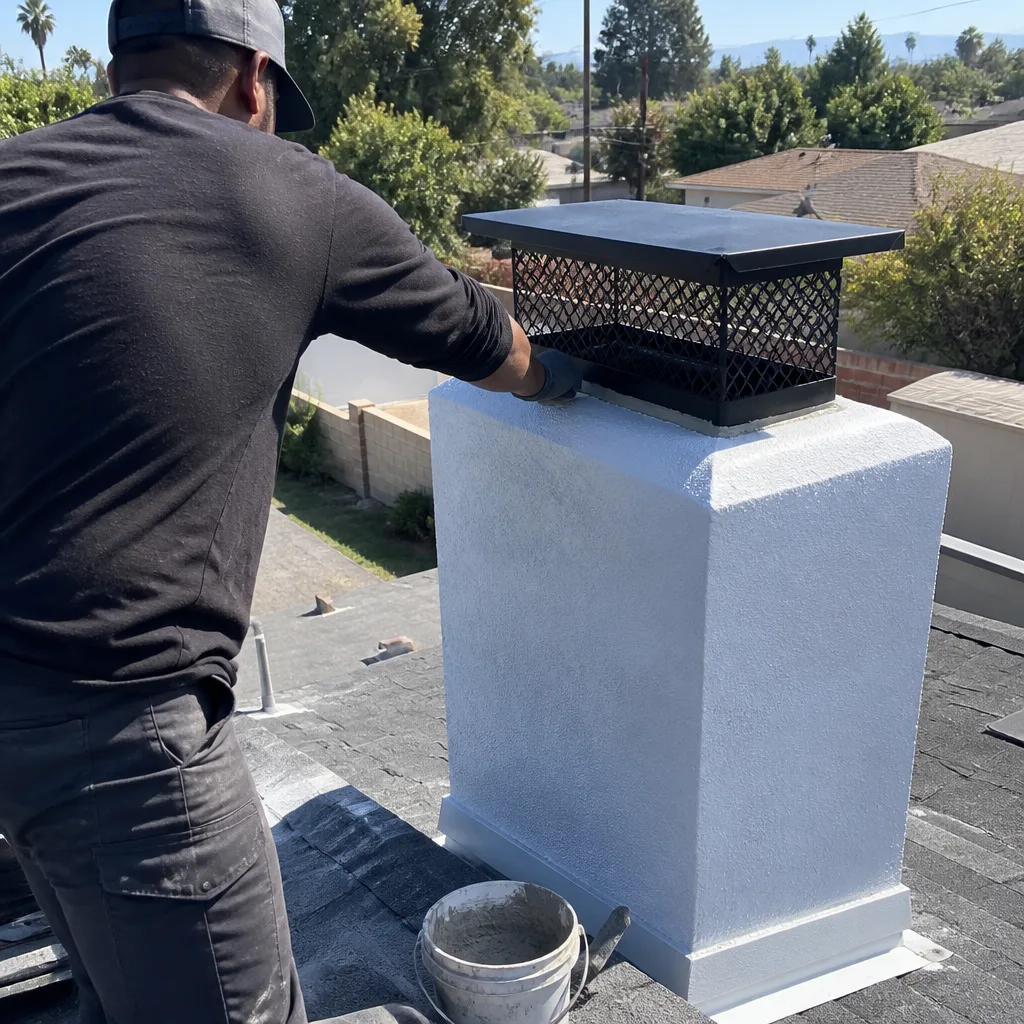 After
How Much Does Chimney Cap & Crown Cost in Pomona?
Chimney cap installation in Pomona typically costs $185 to $425, and crown repair runs $275 to $650 when we can resurface and seal the existing crown. A full crown rebuild, which means removing failed masonry and casting a new overhang, usually lands between $600 and $1,400. Most single-family homes in Pomona fall in the middle of those ranges once we’ve seen the flue and the roofline up close.
Those numbers hold up because caps and crowns fail in fairly predictable ways here. We’re in the Pomona Valley, where summer heat sits over 95 degrees for weeks and the winter rain comes in short, hard bursts off the San Gabriels. That cycle works masonry and metal harder than a coastal climate does, so the parts that keep water out of your flue take a real beating. Once you’ve seen a handful of roofs in this city, you can usually guess what a forty-year-old crown looks like from the street.
Call (855) 341-8132 for a free estimate. We tell you what we found, point to it, and we can fix it in the same visit.
Chimney Cap & Crown Cost Breakdown (2026)
Here’s how the pricing shakes out for Pomona homeowners this year. These are installed prices including materials and labor, not bare parts costs.
| Job | Typical 2026 Price Range | What’s Included |
|---|---|---|
| Standard cap, single-flue, single-story roof | $185 – $300 | Gelco stainless or galvanized cap, screened sides, bolted or clamped to the flue tile |
| Custom or multi-flue cap | $300 – $600 | Fabricated to fit an oversize, oval, or two-flue opening; stronger mount for high-wind exposure |
| Decorative or copper-finish cap | $450 – $1,100 | Copperfield or equivalent copper component; heavier build and a longer service life |
| Crown crack sealing and coating | $275 – $450 | Cleaning cracks, filling with flexible crown sealant, and repointing the crown-to-flue joint |
| Partial crown repair | $400 – $650 | Rebuilding a cracked or spalled section, restoring the overhang and drip edge |
| Full crown rebuild | $600 – $1,400 | Removing the failed crown, forming and casting a new one with proper slope and overhang |
| Cap plus crown bundled | $450 – $850 | Both handled in one visit, which is common because the two failures tend to travel together |
| Two-story or steep-pitch roof access | Add $75 – $250 | Extra ladders, roof anchors, and time; standard on taller Pomona homes |
The biggest swing in price isn’t the cap or the crown alone; it’s what we find underneath. A cracked crown usually means water has been sneaking into the masonry for a season or two, and the repair stops being cosmetic. If the mortar joints below the crown are soft, that’s a different conversation. We’ll show you the photo and explain the options before anything is ordered, because a five-hundred-dollar crown fix that ignores a soaked ledge is wasted money.
The cap itself is the cheaper half of this work, and it’s also the part that protects everything else. A good cap keeps rain, birds, and the occasional squirrel out of a flue that’s otherwise wide open to the sky. In a hot, dry, drafty place like Pomona, a missing cap is an open invitation to everything a flue shouldn’t contain. That’s why we rarely recommend doing one without checking the other.
What Affects Chimney Cap & Crown Pricing in Pomona
Two estimates for the same job can differ by hundreds of dollars, and it’s worth knowing why before you compare bids.
- Roof height and pitch. A single-story ranch off Garey Avenue is quick work. A two-story with a steep pitch and a tile roof means more setup, more safety gear, and more time. That labor difference is real, and it shows up on the estimate.
- Flue count and shape. One round flue is the easy case. A wide rectangular opening, an oval terra-cotta tile, or two flues sharing one cap all call for a custom-fabricated cover rather than an off-the-shelf one. Matter of fact, that’s where the brand matters: a Gelco cap built to spec fits and lasts, while a generic hardware-store cover gets strapped on and whistles in the wind.
- Crown condition. Sealing surface cracks is a modest job. A crown that has separated from the flue, or cracked clean through the overhang, needs rebuilding. We check the crown-to-flue joint specifically because that’s where water enters first.
- Underlying masonry and liner condition. This is the quiet cost driver. If water has worked past a failed crown into the flue, the liner may need attention too. In some cases we can restore an eligible flue with HeatShield ceramic resurfacing instead of a full reline, which saves the cost and disruption of tearing the old liner out. If a new liner is genuinely needed, a DuraFlex stainless system is what we specify, the same flexible liner restoration contractors rely on.
- Local wind and weather exposure. Homes on the higher ground toward the foothills catch more wind than the sheltered streets closer to the valley floor, and that affects how we mount the cap. A correctly anchored cap stays put through a Santa Ana wind event; a loose one becomes a projectile.
- Access and cleanup. Sometimes the roof is easy and the interior isn’t. We protect the floor, contain the dust, and haul everything away. Roofing debris left in a planter is a sign of a rushed job.
Why Caps and Crowns Fail Faster Here Than You’d Expect
People move to Pomona from cooler places and assume a roof lasts forever because it doesn’t snow. The heat does as much damage as frost would. Masonry expands in the afternoon sun and contracts hard overnight, over and over, for decades. Hairline cracks open. Water gets in during the winter rains and freezes once or twice a season, pushing those cracks wider. Left alone, a crown that started with one thin line ends up with chunks of its edge on your roof.
What we see on Pomona roofs is a pattern. Crowns from the 1970s and 1980s were often cast thin, sometimes without a proper drip edge, so water runs back under the lip instead of off it. When we rebuild a crown, we form it with the slope and overhang it should have had from the start, so water sheds away from the chimney instead of soaking into it. That upgrade is baked into the rebuild price and it’s the reason a rebuilt crown outlasts the original by a wide margin.
Caps fail for a simpler reason: cheap metal and poor mounting. A galvanized cap from a home improvement aisle rusts through in a decade, and the legs bend or strip loose in wind. A trade-grade cap with a stainless or copper-top build and a proper mount is a different animal. The difference in cost between the two, over the life of the cap, is small compared to the cost of replacing a water-damaged flue.
How to Save on Chimney Cap & Crown in Pomona
There’s no magic discount on competent masonry work, but there are real ways to keep the bill down.
- Bundle the cap and crown. When both need attention, doing them in one visit saves on the call-out and setup. The bundled range above usually beats two separate trips by $100 to $200.
- Fix the crown early. A $275 to $450 sealing job today prevents the $1,400 rebuild next year. This is the single biggest saver on the list, and it’s the one most homeowners skip until they hear water in the flue.
- Get the cap on before the crown is tested. A cap that keeps rain off a healthy crown buys you years. If your crown is still sound but uncapped, cap it now while the repair is small.
- Ask about restoring instead of relining. If the flue is eligible, HeatShield resurfacing can fix liner integrity without a full reline. We’ll tell you honestly whether your flue qualifies.
- Combine with a sweep. If you’re due for a cleaning, a chimney sweep in the same visit means one setup, one cleanup, and a complete picture of the flue from cap to firebox. Same crew, same day, no second-company handoff.
Our estimates are free, and we’d rather spend ten minutes on your roof telling you the truth than sell you a rebuild you don’t need. Call (855) 341-8132 and we’ll take a look.
Why Material Choice Matters More Than You Think
The cap and crown are the only things standing between your flue and the weather, so the materials aren’t a detail. This is the part of the job where cheap substitutes show up, and where they fail.
We work with professional-supply brands for exactly that reason. Gelco caps and covers are manufacturer-grade components, built to fit and built to last, not generic hardware-store equipment. For decorative or copper work we use Copperfield components, sourced through professional chimney supply networks you can’t walk into and buy retail. When a flue needs liner work, we specify DuraFlex, and Olympia Chimney and Copperfield supply much of what we install. A crown rebuild uses trade-standard masonry and crown sealant, not a tube of caulk from the garage.
This matters because a cap and crown are semi-permanent. You shouldn’t be replacing a cap every few years or re-sealing a crown that keeps cracking because the wrong product went on it. Trade-grade parts installed correctly outlast their cheaper counterparts by a wide margin, and that’s before you count the flue damage you avoid.
When we sweep and assess, we’re looking at the whole system at once: cap, crown, flue, firebox. Where most companies sweep and leave, we sweep, assess, and repair, which means you get one honest answer about what’s wrong and one crew that can fix it. If you’d like to understand what we look for up top, our Chimney Cap & Crown in Pomona page walks through the anatomy and the warning signs in more detail.
The Full Picture: Cap, Crown, and What’s Underneath
It’s tempting to treat the cap and crown as separate little repairs. They aren’t. Together they’re the roof of your chimney, and everything below them depends on them doing their job. A failed crown wicks water into the masonry; a missing cap lets rain and animals straight down the flue. Either one alone will eventually reach the liner, and once water gets into a flue, the repair cost climbs fast.
That’s the reason we recommend a full assessment rather than a spot fix. The cap and crown are where we look first because they’re where the trouble usually starts, but we check the flue, the damper, the firebox, and the smoke chamber while we’re up there. If the liner looks sound, great. If it doesn’t, we have restoration options like HeatShield and DuraFlex ready. A homeowner who gets a straight answer and a clear price is a homeowner who isn’t worried six months later.
We also handle dryer vent cleaning with trade-grade components, which rounds out a combustion-safety visit. Fireplace and dryer are two of the leading residential fire hazards, and a single appointment can address both. One visit, two fire hazards, no second crew.
FAQs – Chimney Cap & Crown Cost
How much does a chimney cap cost in Pomona?
Most chimney caps installed in Pomona run $185 to $425. A standard single-flue cap on an easy roof is at the low end, while a custom, multi-flue, or copper-finish cap climbs toward the top. The price includes the cap and the install. Call (855) 341-8132 for an exact quote on your cap, and the estimate is free.
Is it cheaper to repair or replace my chimney crown?
Repair is usually cheaper when the damage is surface-level: sealing runs $275 to $450, and a partial rebuild $400 to $650, versus $600 to $1,400 for a full rebuild. If the crown has separated from the flue or cracked through the overhang, replacement is the correct and often more economical long-term call because patching a structurally failed crown doesn’t hold. We’ll tell you which one you’re looking at, with photos.
Do I need to cap and crown at the same time?
Often, yes, because a failed crown means water is already getting in and an uncapped flue is the open door that makes it worse. Bundling both usually saves $100 to $200 compared to two separate visits. If your crown is still sound, a cap alone protects it and can add years to its life. Call (855) 341-8132 and we’ll assess both in one free visit.
Can you fix my cap or crown today?
In many cases we can, especially for a standard cap swap, which is often done in a single visit. Crown repairs depend on the condition and whether the roof is safe to work from that day; we’ll give you a clear answer on the spot. Call (855) 341-8132 to get on the schedule, and ask about same-day availability.
Does a chimney cap affect the cost of a liner repair?
Indirectly, it can add to it. A missing or loose cap is one of the fastest routes to water damaged liner, and once the flue is wet, liner work may enter the picture. Restoring a flue with HeatShield resurfacing can save the cost of a full reline when your flue is eligible, and a new DuraFlex liner is the fix when it isn’t. The cap costs a fraction of either. Call (855) 341-8132 for a free assessment.
A Word on Safety
Chimney work happens up high, on roofs that get steep and slippery, working with ladders and anchors above hard ground. We treat that seriously because a fall is serious. If you’re considering anything beyond looking from the ground, leave it to a trained professional. A crack you can see from a ladder is worth diagnosing; a repair you attempt on a wet tile roof is not. We’re set up for the work and the safety gear that goes with it.
The numbers on this page reflect pricing for the Pomona market as of 2026. If you want a firm figure for your cap or crown, call (855) 341-8132 for a free estimate. We’ll shed light on what’s happening up top and give you a straight answer you can act on.
Written by the team at Lantern Chimney Sweep, Owner, serving Pomona and the surrounding communities. Pricing reflects the Pomona market as of 2026. Lantern Chimney Sweep offers free estimates – call (855) 341-8132.
What Our Customers Say
"Good work. The written inspection report took about a week to arrive after I asked for it, which was slower than I expected."
— Marco Mendoza"Liner was cracked in two places. He walked me through the repair options honestly, including the one that was cheaper for him and better for me."
— Alma Castillo"He was about 40 minutes late but he did call ahead to tell me, which I appreciate more than being left guessing. Work was clean and he answered all my questions before he left."
— Carlos Flores